

Part 2. 7 Key Lower Body Strength Exercises by Muscle Group
Different areas of the lower body serve distinct functions. Structuring your workout around specific muscle groups and movement patterns ensures balanced activation across your entire lower body.
1. Full Lower Body: Squat
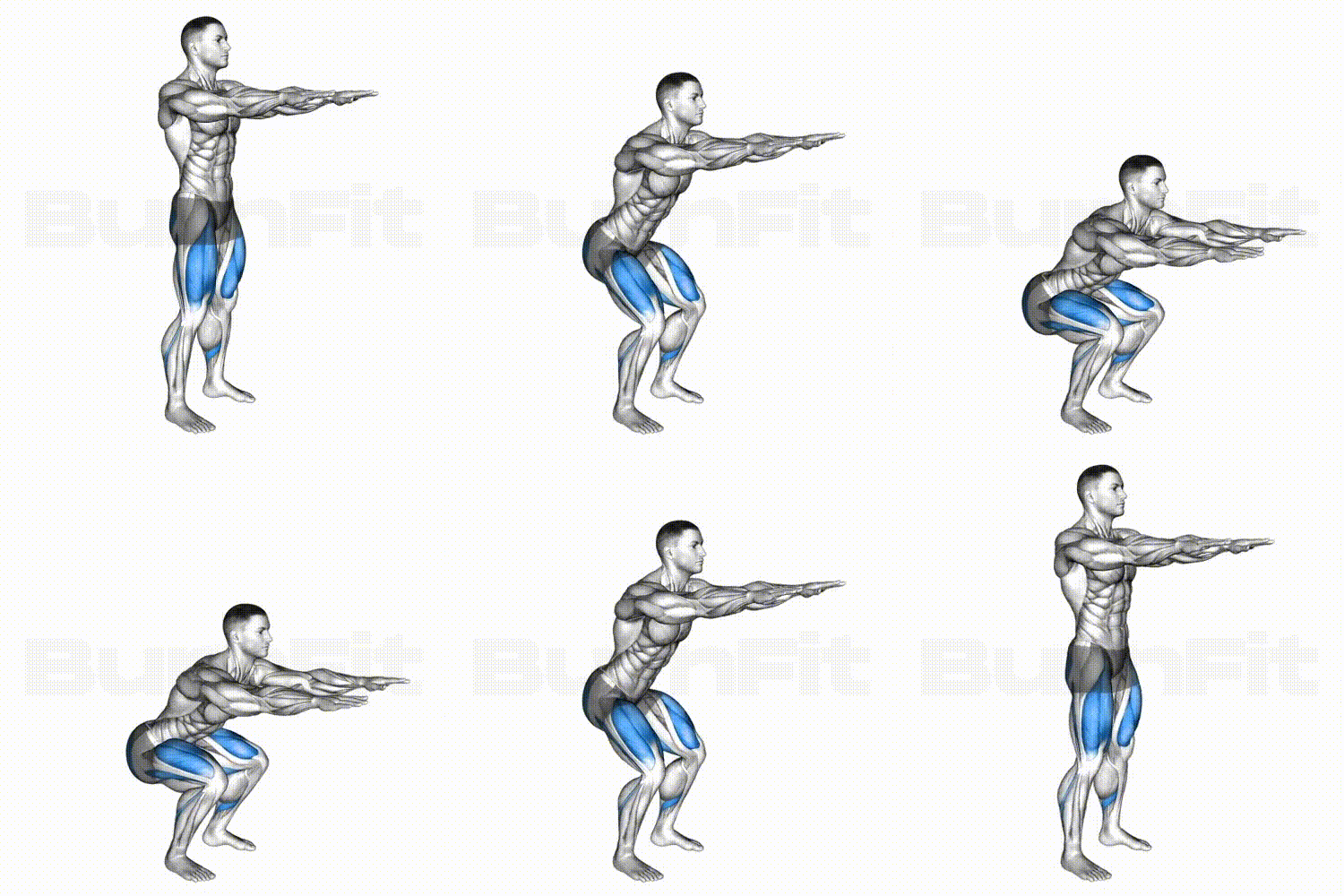
A classic compound movement that involves bending the hips and knees to strengthen the lower body.
2. Front Thighs (Quads): Leg Press
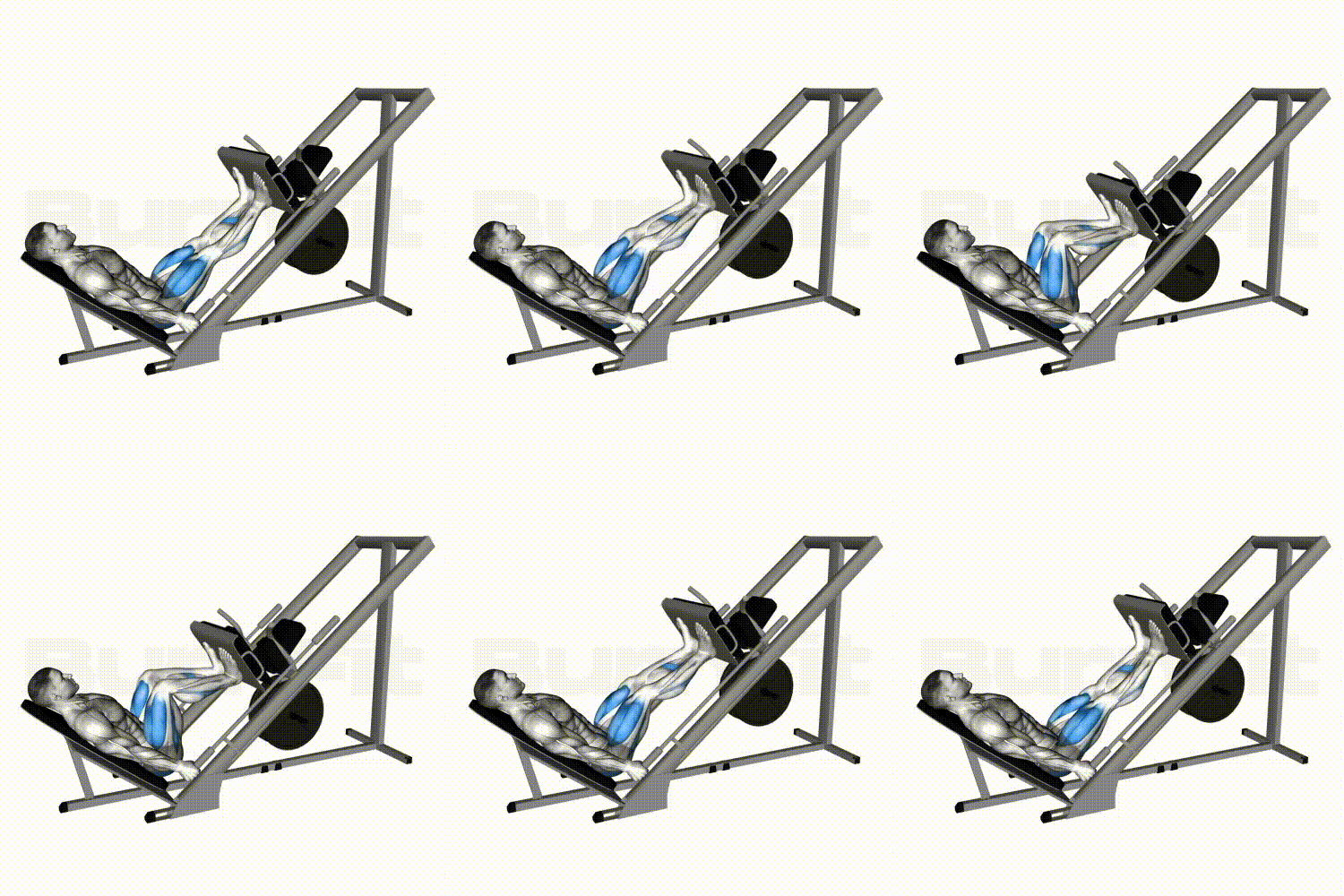
Allows you to deliver a controlled load to the legs using a machine, targeting the quads and glutes depending on foot placement and stance.
3. Back Thighs (Hamstrings): Romanian Deadlift
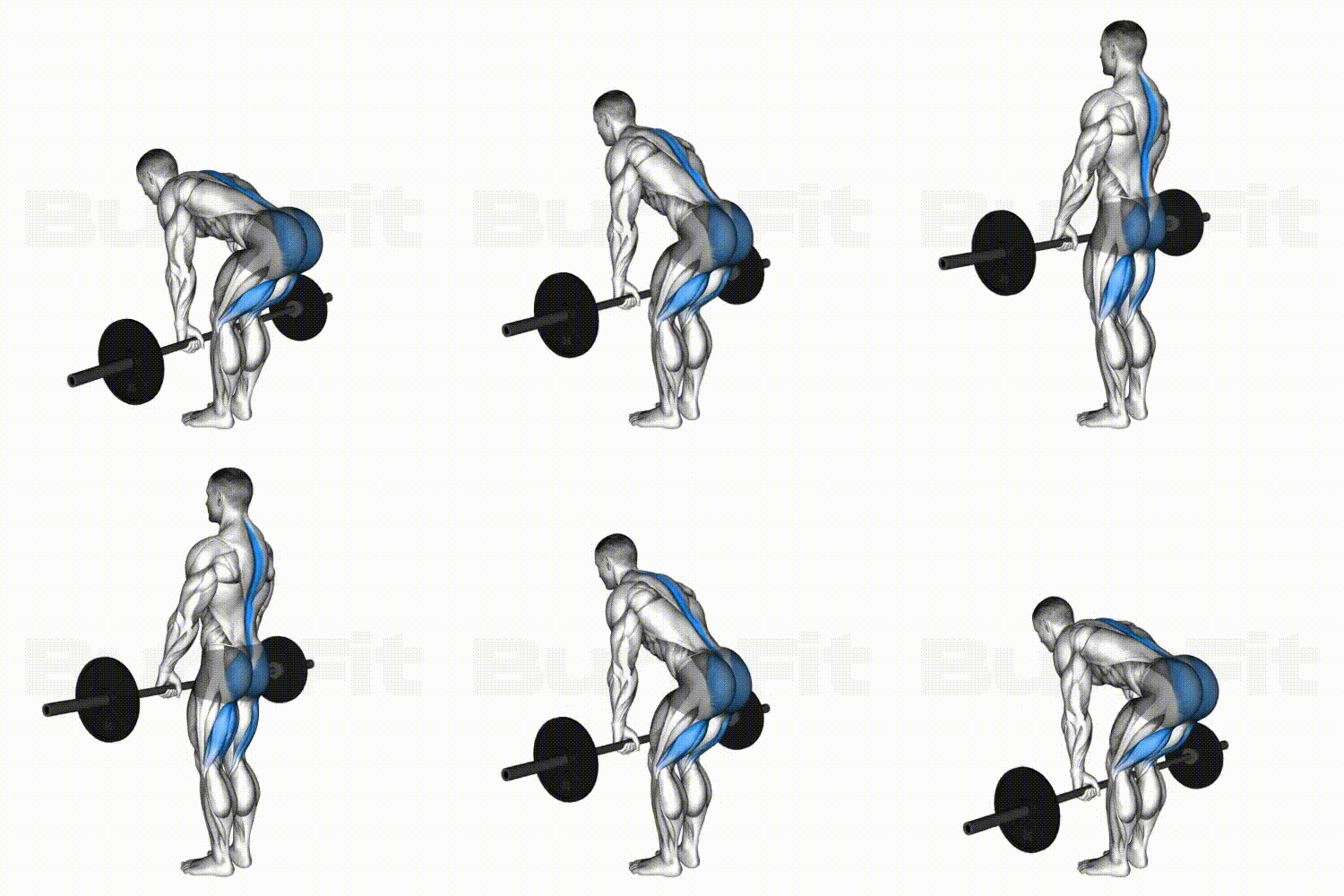
Uses a hip-hinge movement to load the hamstrings and glutes as you lower the weight.
4. Back Thighs (Hamstrings): Leg Curl
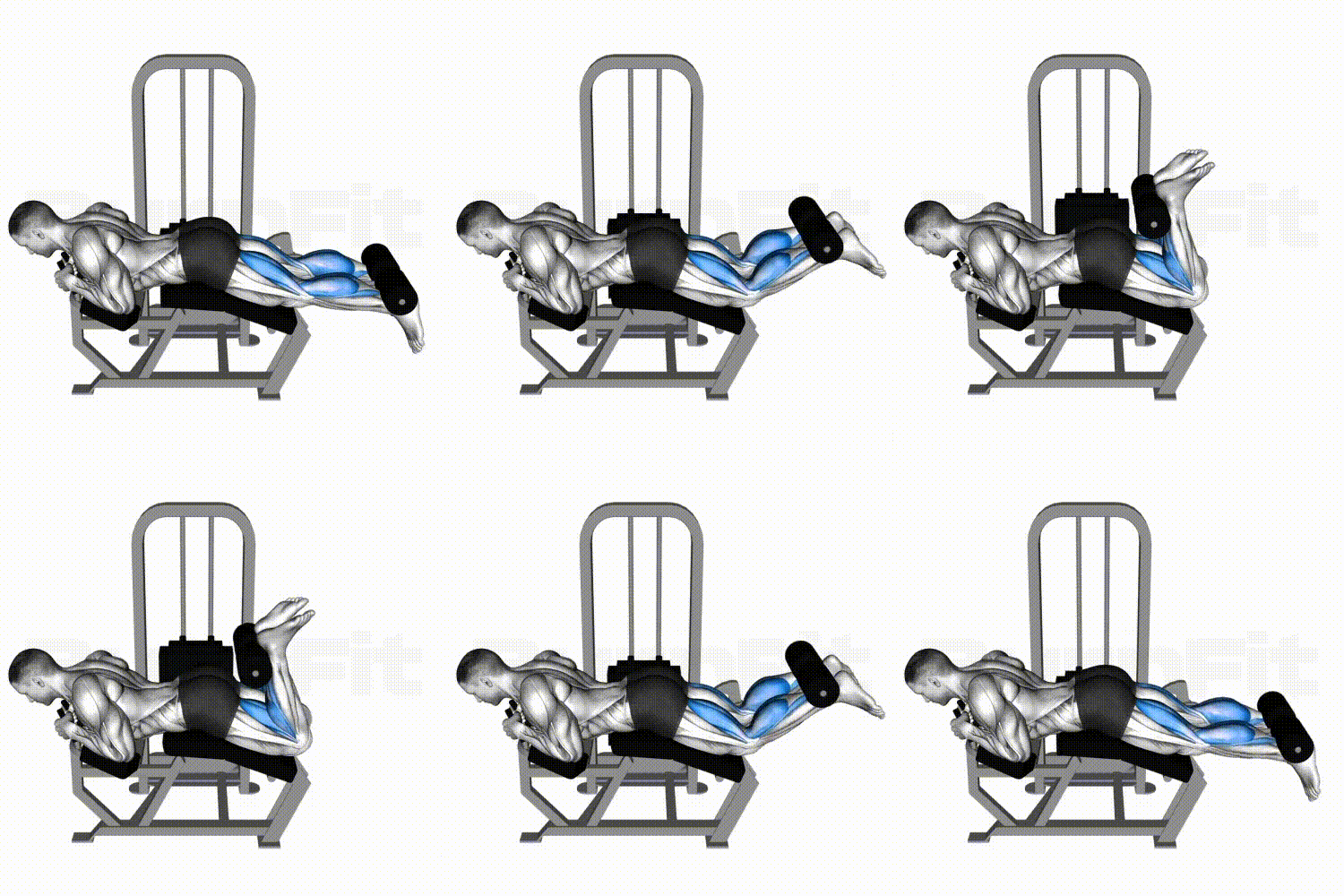
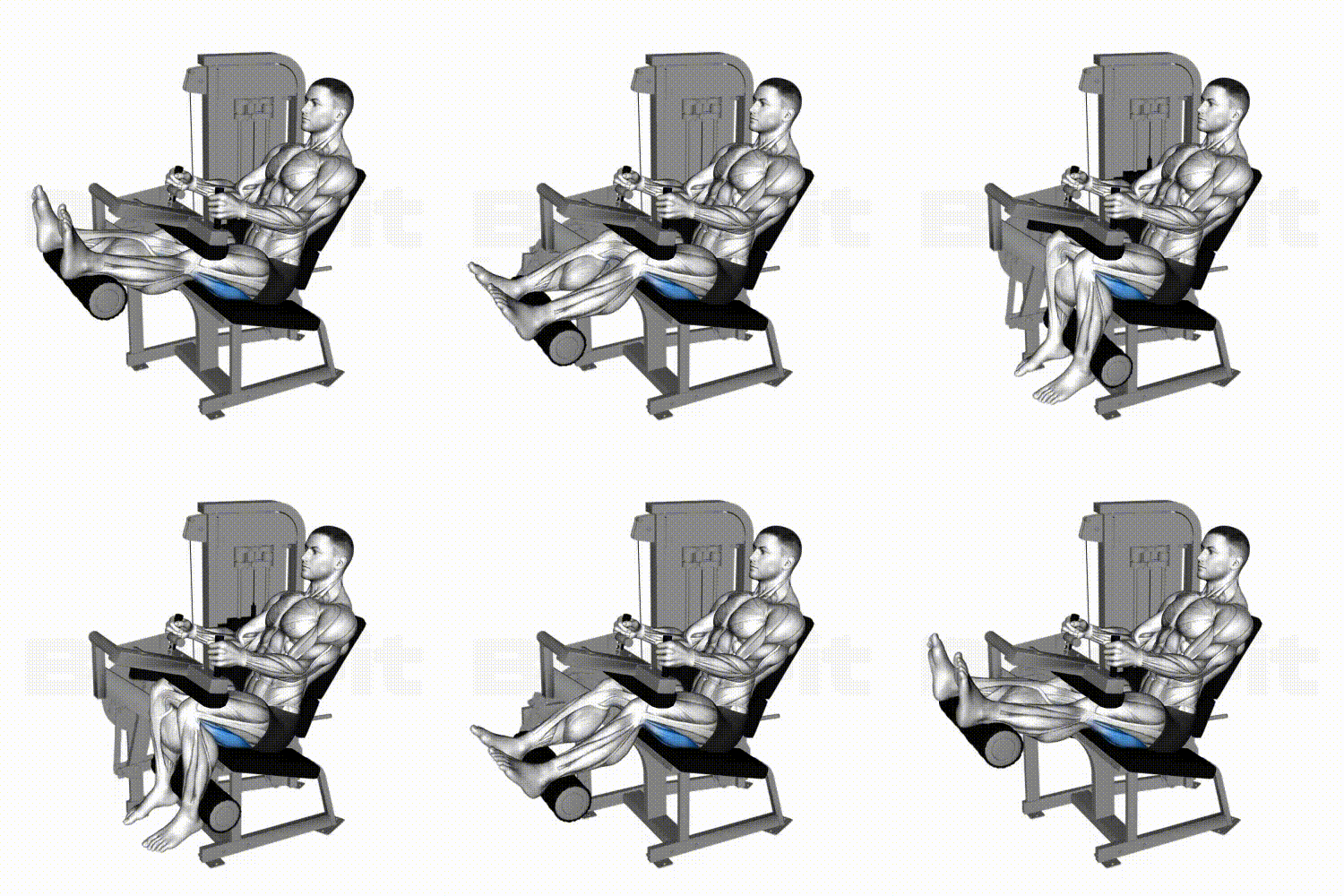
Performed seated or lying down, this exercise flexes the knee to isolate and target the hamstrings directly.
5. Glutes: Barbell Hip Thrust
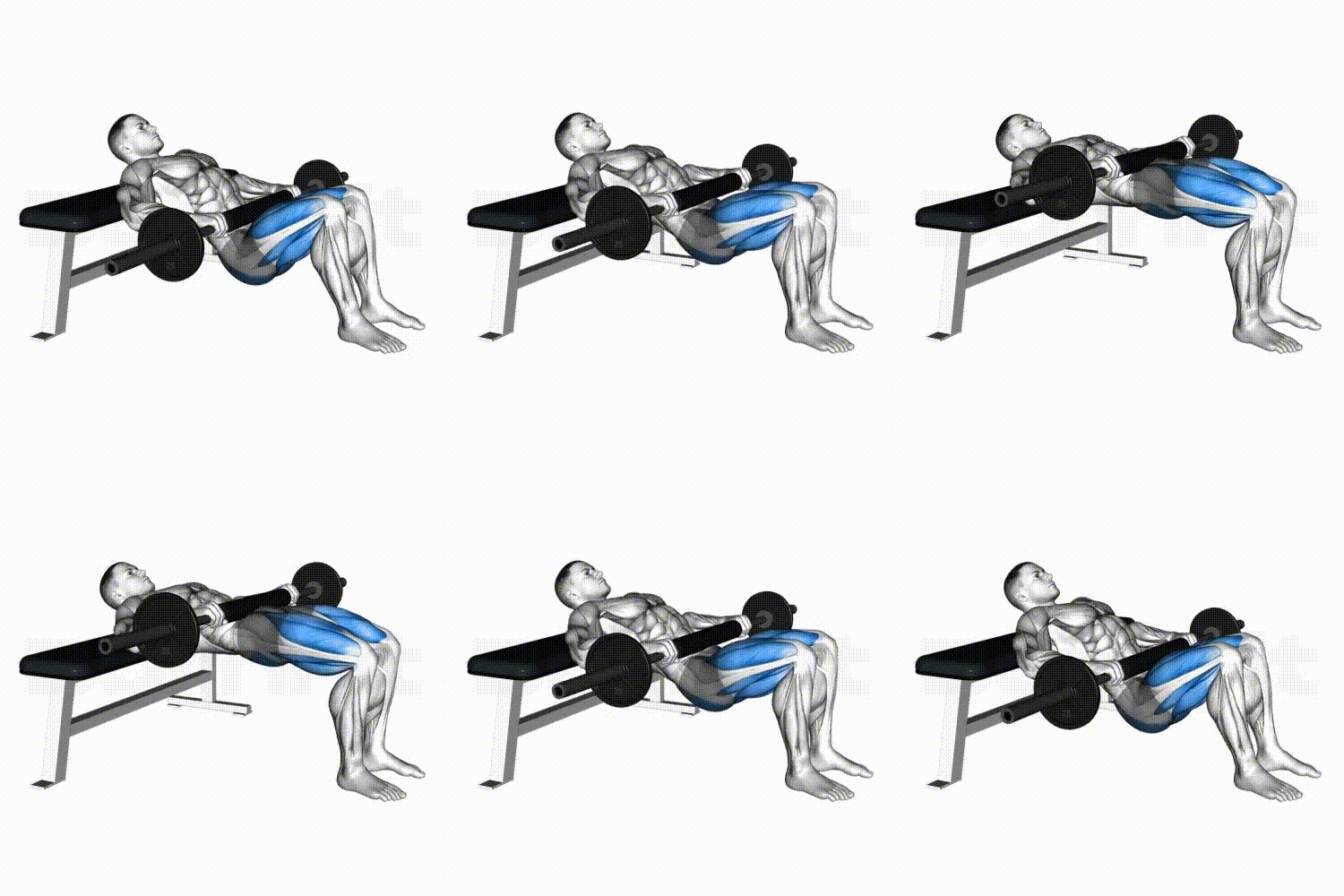
A hip-extension exercise that rests the upper back on a bench and drives the hips upward to target the gluteus maximus.
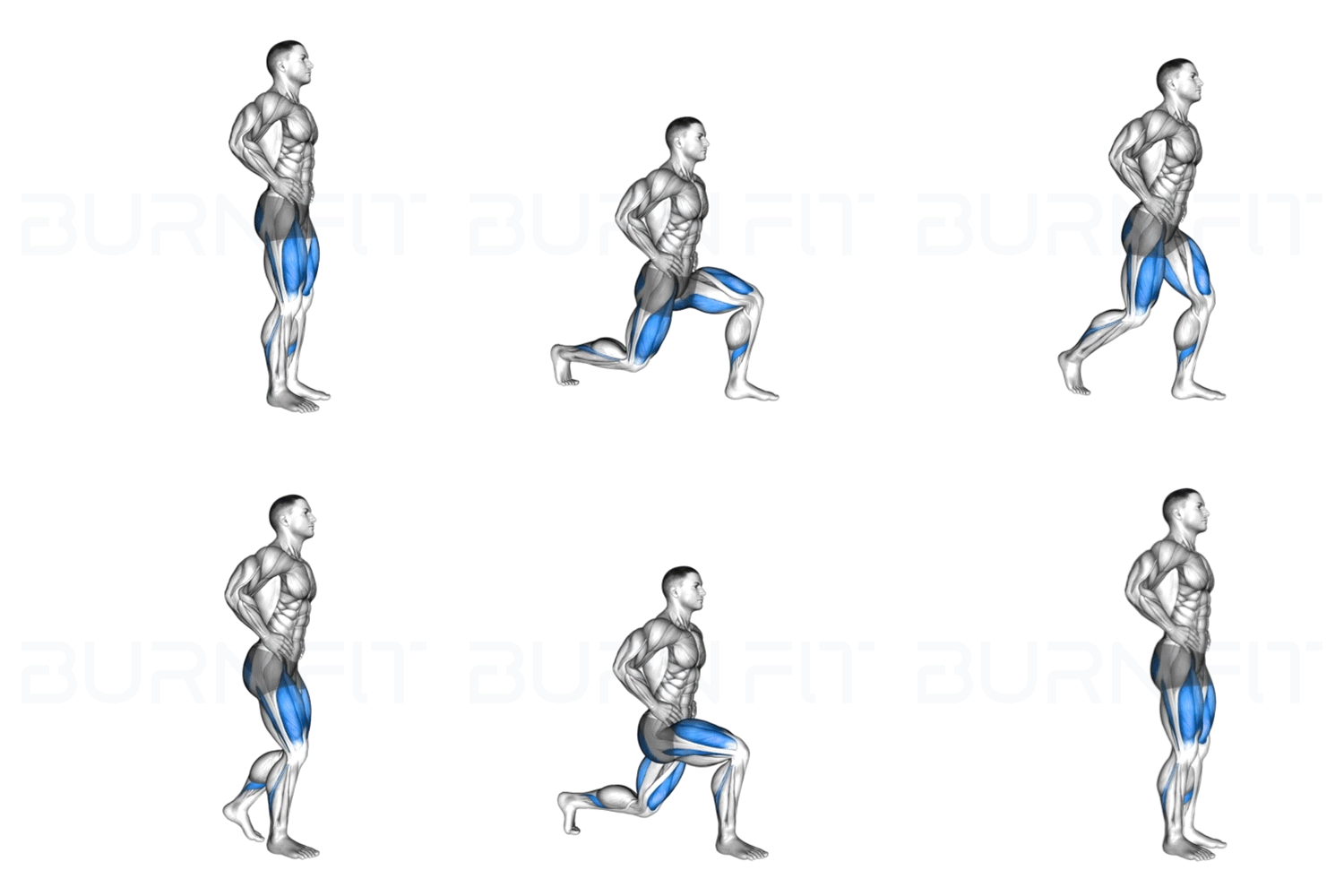
6. Full Lower Body & Glutes: Lunge
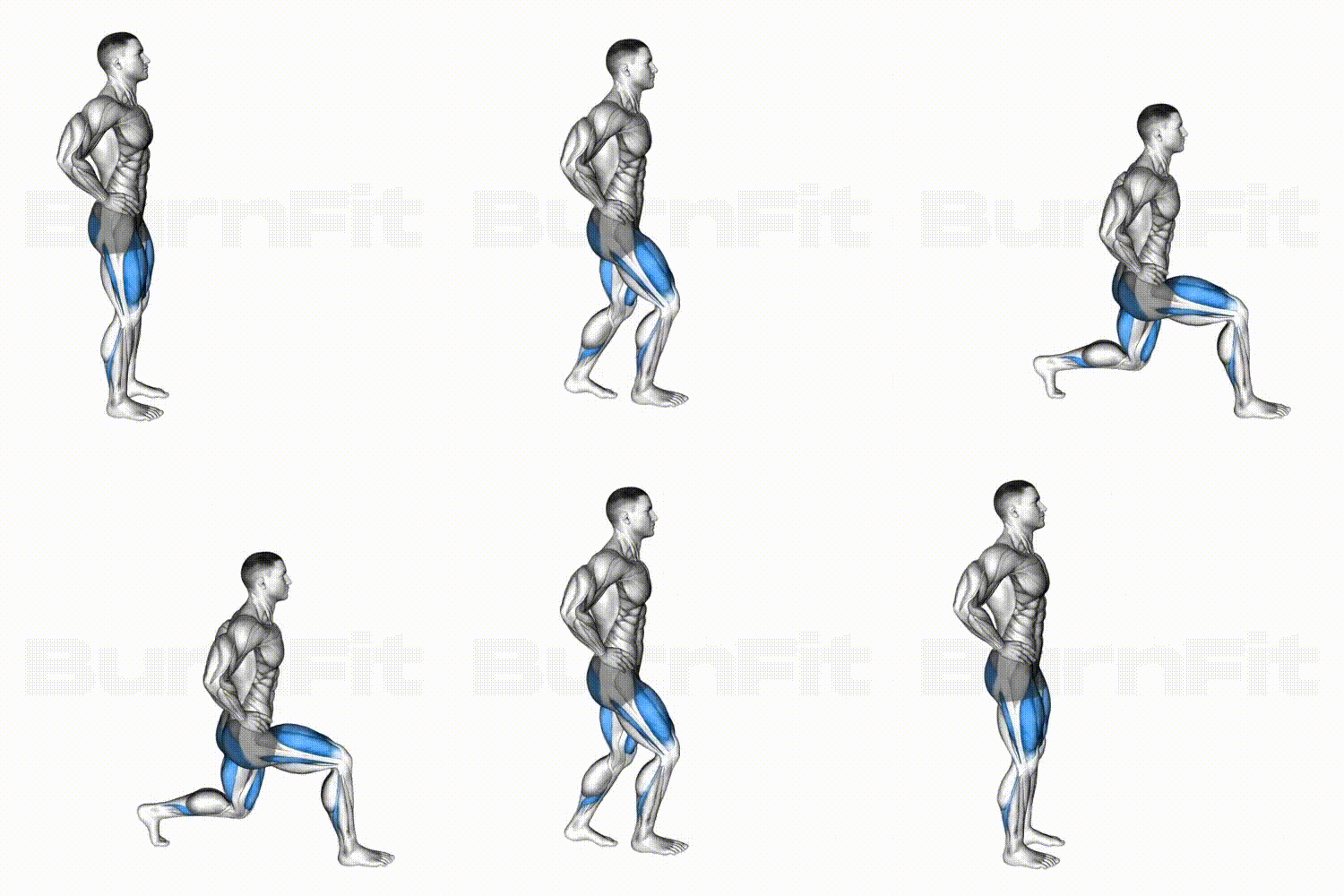
A compound movement where you step forward, bend both knees and hips, and push back up.
7. Calves: Calf Raise
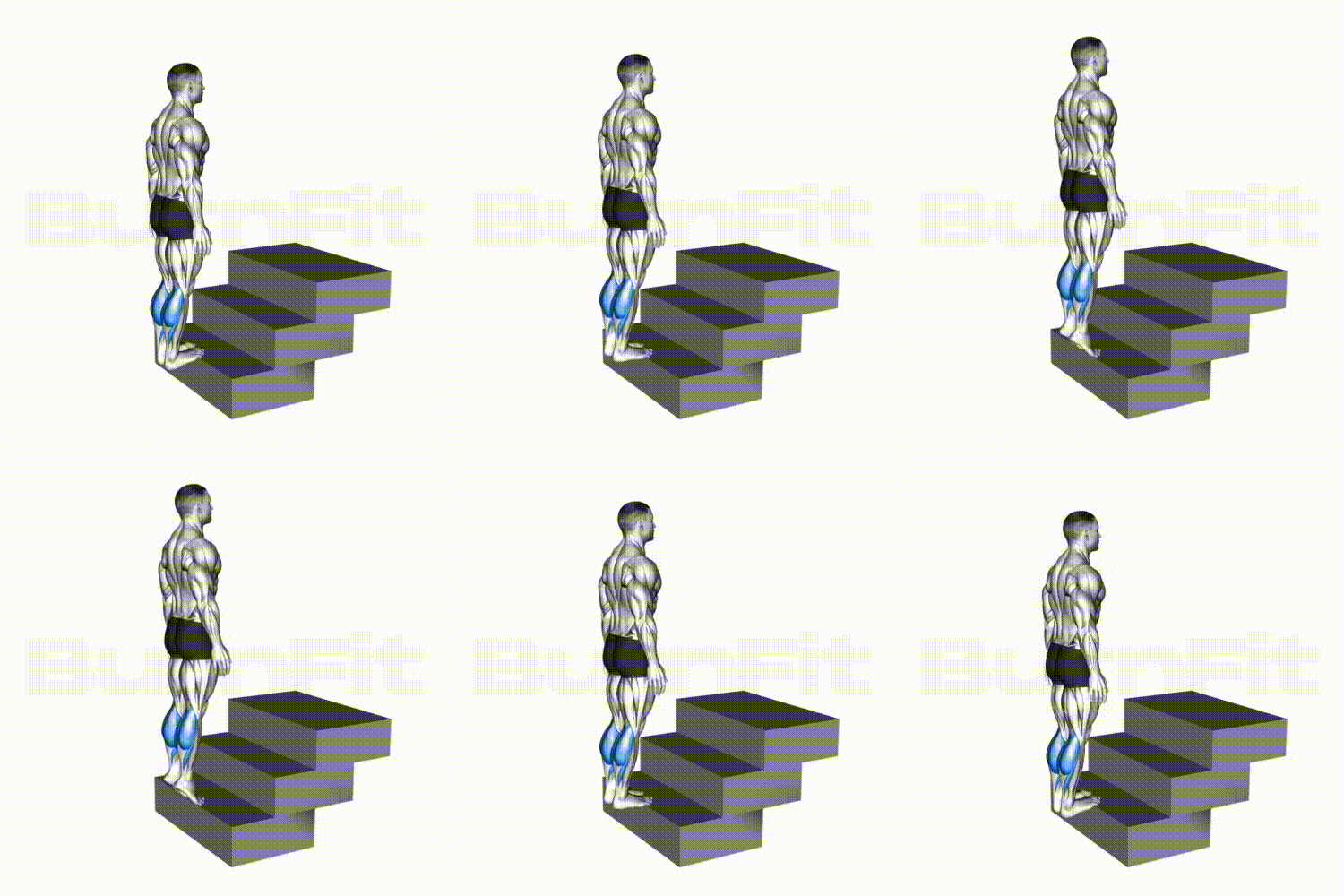
Lifts the heels as if standing on tiptoes, strengthening the calf muscles.
Part 3. Recommended Lower Body Workout Routines
Combining these movements according to your goals and training environment is key to building a sustainable lower body workout routine.
🏠 Home Routine: Bodyweight & Small Equipment
A balanced routine using bodyweight or light equipment, including beginner-friendly variations of the key exercises above.
[Warm-Up] Bodyweight Squat: 10–15 reps × 1–2 sets
(Prepares your lower body for the workout and helps you check your range of motion)
[Main] Reverse Lunge: 10–12 reps per side × 3 sets
(Steps backward to load the glutes and quads with body weight)
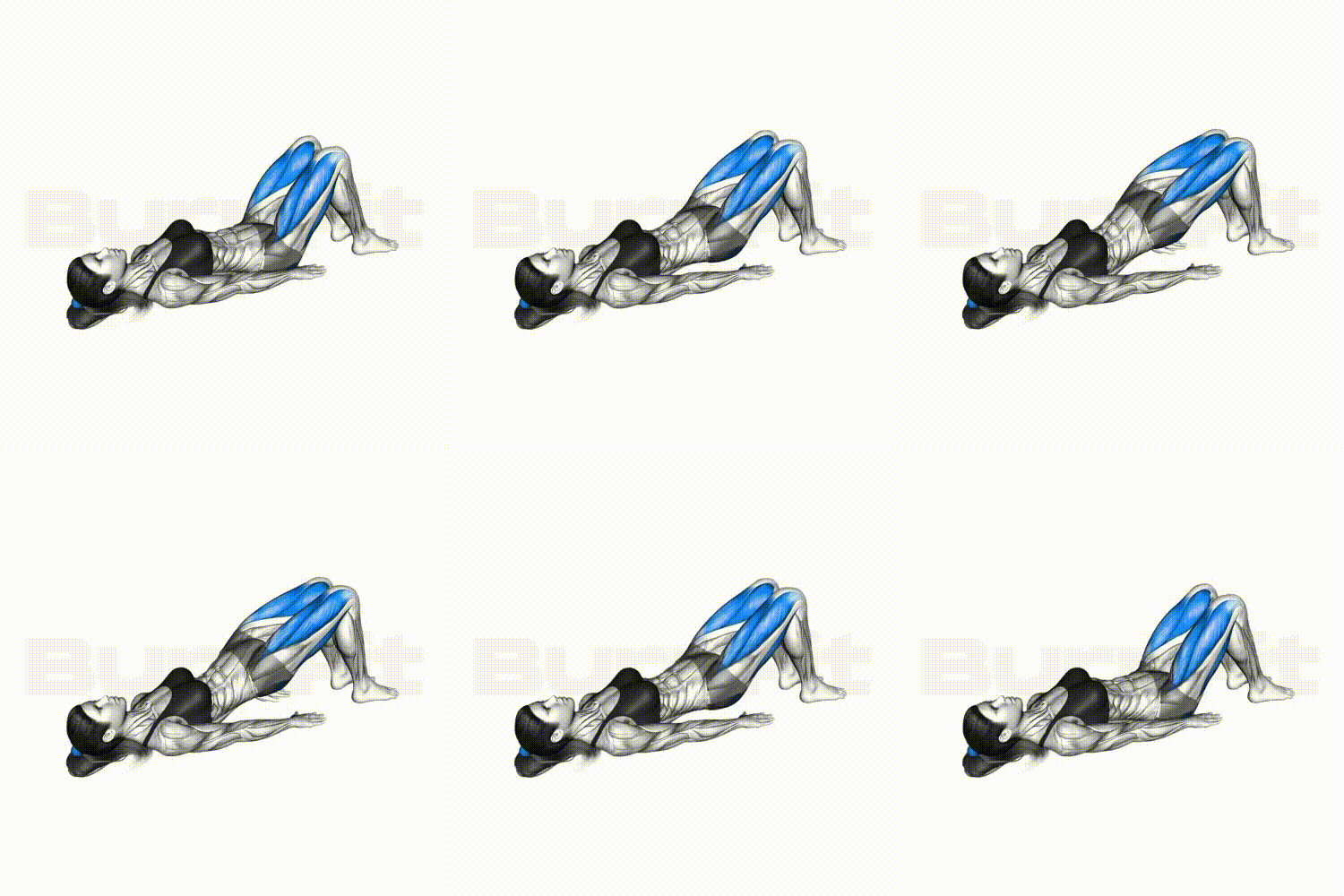
[Sub] Glute Bridge: 12–15 reps × 3 sets
(Lies on the floor and lifts the hips to engage the posterior chain)
[Finisher] Bodyweight Calf Raise: 15–20 reps × 3 sets
(Lifts the heels with control to contract the calf muscles)
💡 Key Tip: Since home workouts use lighter resistance, control your speed as you lower your body to keep constant tension on the muscles.
–
🏋️♀️ Gym Routine: Machines & Free Weights
A strength-focused routine applying progressive overload with heavier weights and machines.
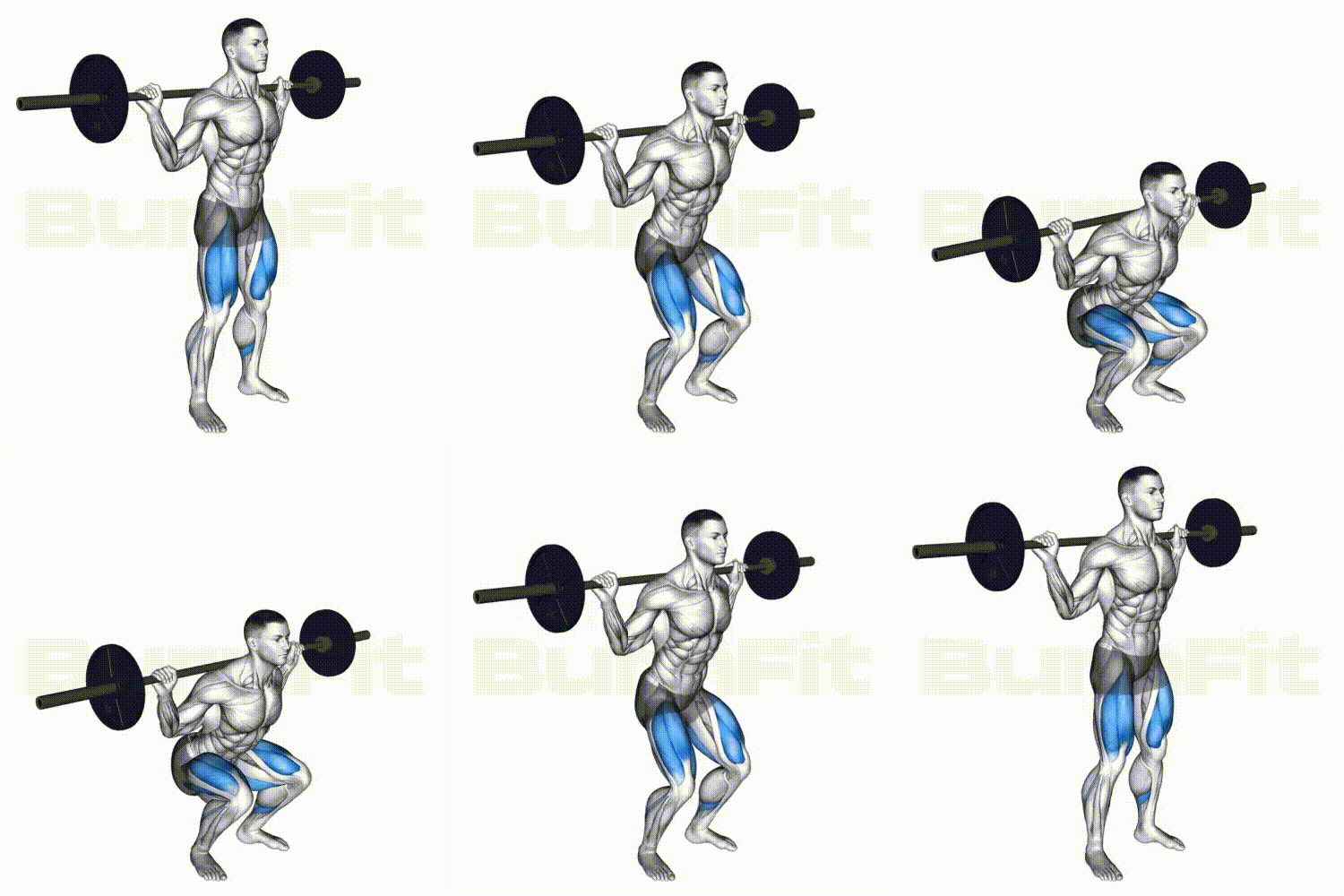
[Main 1] Barbell Squat: 6–10 reps × 3–4 sets
(The primary free-weight exercise to build overall lower body power)
[Main 2] Romanian Deadlift: 8–12 reps × 3 sets
(Uses a hip hinge pattern to engage the hamstrings and glutes)
[Sub 1] Leg Press: 10–12 reps × 3 sets
(Uses a machine to apply additional resistance to the quads)
[Sub 2] Leg Curl: 10–15 reps × 3 sets
(Isolates the hamstrings to finish off the back of the legs)
💡Key Tip: Add 2–3 sets of calf raises if you want to target the lower legs. For main free-weight exercises, choose an appropriate weight that allows you to maintain clean form.
🔥 Part 5. Track Your Lower Body Workout Progress with BurnFit
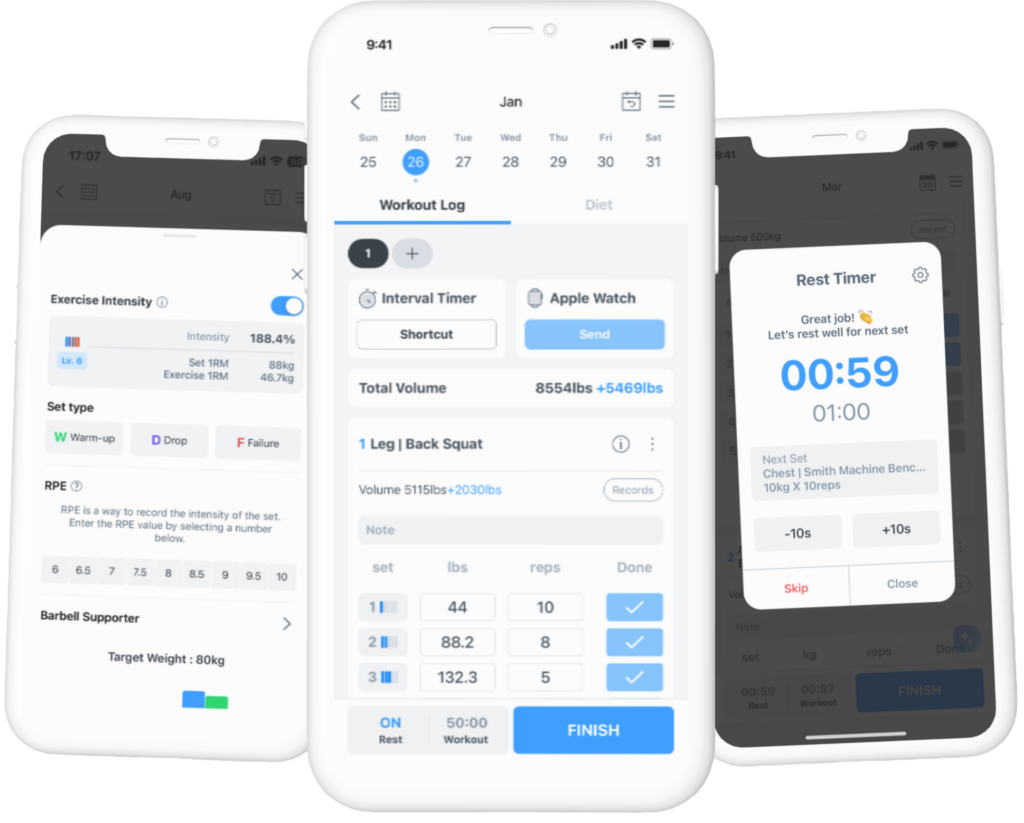
The key to effective lower body strength training is reviewing past logs and setting clear targets for your next session. Knowing what you lifted last time makes it easy to choose today’s weights and rep goals.
The workout tracker app BurnFit makes managing your lower body routine simple:
Save Custom Routines: Store your home or gym routines in advance and load them instantly when you start training.
Check Previous Logs Instantly: View your past weights and reps right away so you can set concrete goals for your current session.
Visualize Volume Growth: Track weekly and monthly workout volume (Weight × Reps × Sets) on clean visual charts to confirm progressive overload.
Once you select a lower body routine that fits your goals, save it in BurnFit and log your first set. Building a consistent tracking habit helps you monitor your progress and set your next fitness goal.


Strength Training for Beginners: 5 Exercises, Benefits & Routine
Hevy vs BurnFit: Which Workout Tracking App Fits the Way You Train?
7 Key Lower Body Strength Exercises for Every Muscle Group
Glute Exercises: 3 Key Points for Building Toned Glutes
Thigh Muscle Exercises: 3 Key Points for Stronger Legs
Why Is Resistance Training Essential as You Age? 5 Key Benefits for Maintaining Muscle and Strength