
Part 2. 5 Strength Training Exercises Beginners Should Know
For beginners, focusing on fundamental strength training exercises that engage multiple muscles and movement patterns can help build strength throughout the body in a balanced way.
1. Full Lower Body: Squat
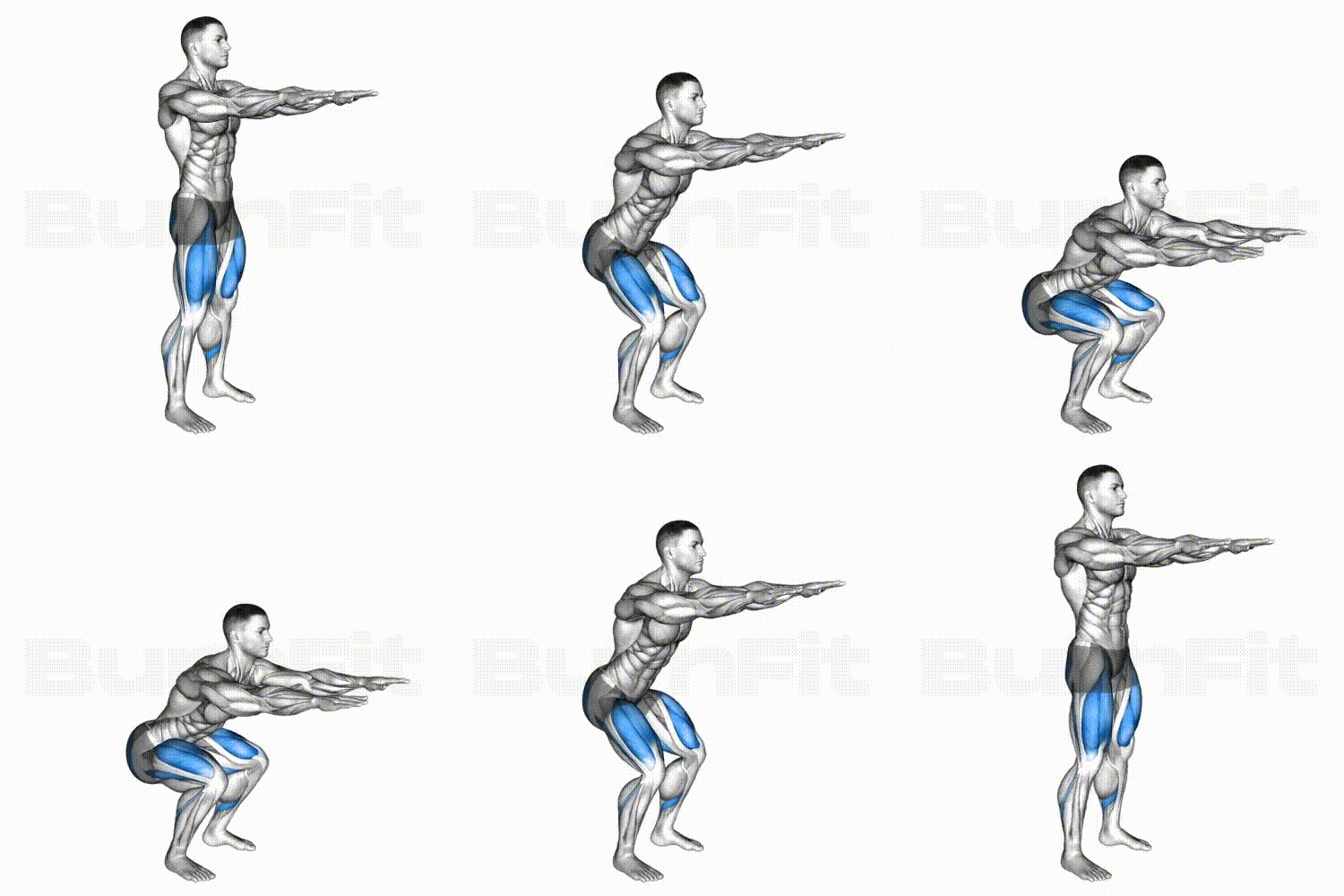
The squat is a fundamental strength training exercise that primarily works the thighs and glutes while strengthening the lower body as a whole.
2. Chest & Upper Body: Push-Up or Bench Press
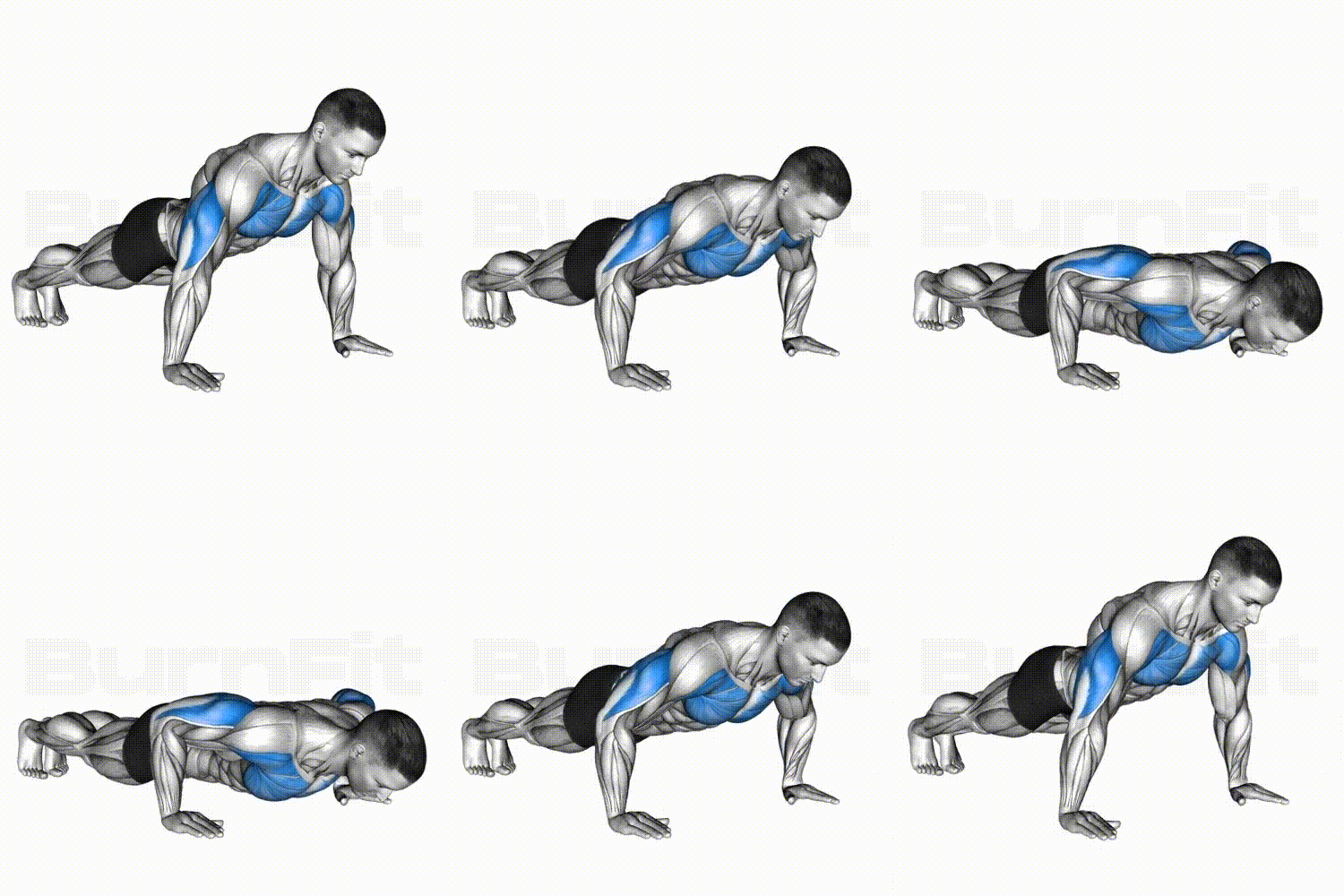
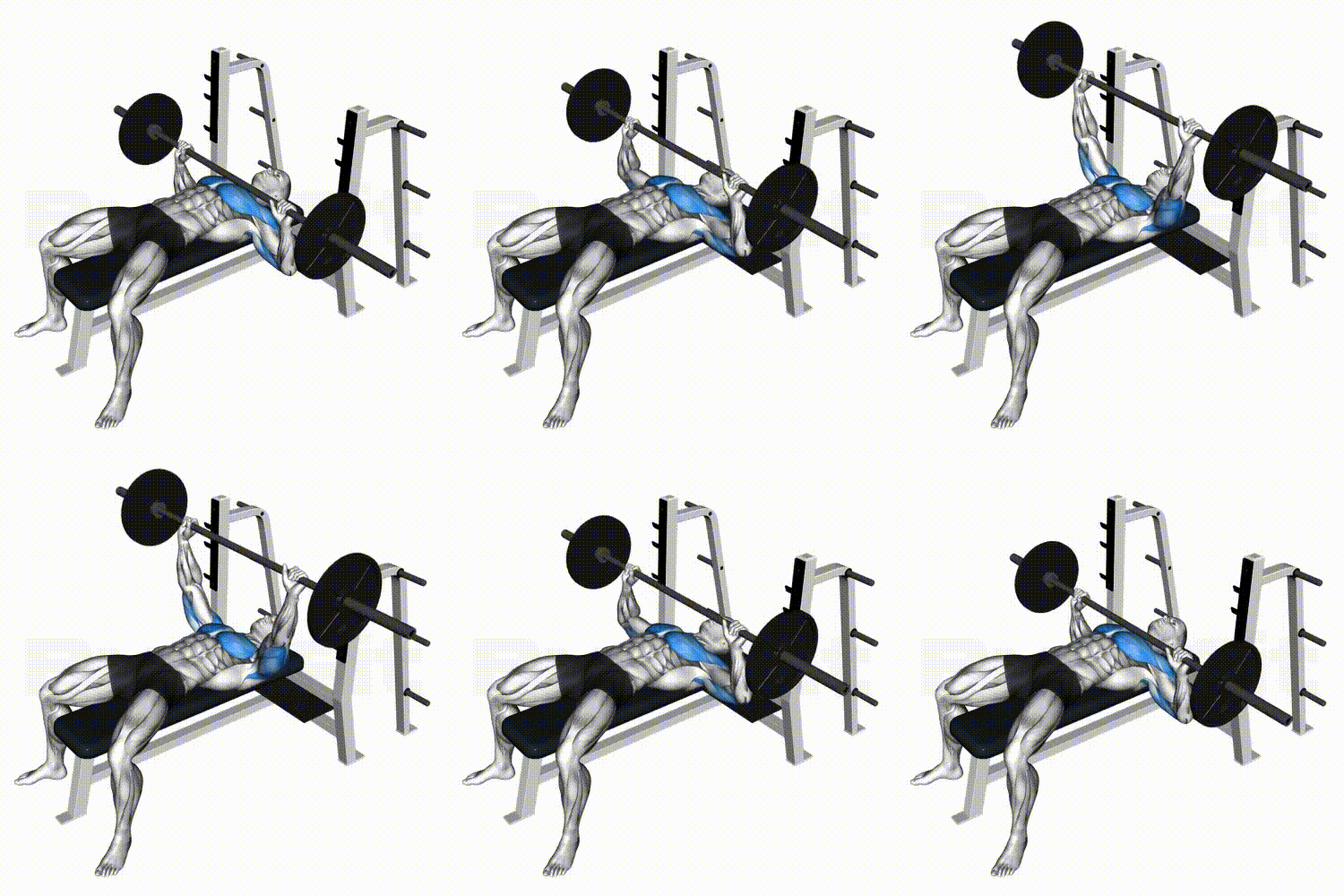
These upper-body pushing exercises engage the chest, shoulders, and triceps while helping build pushing strength.
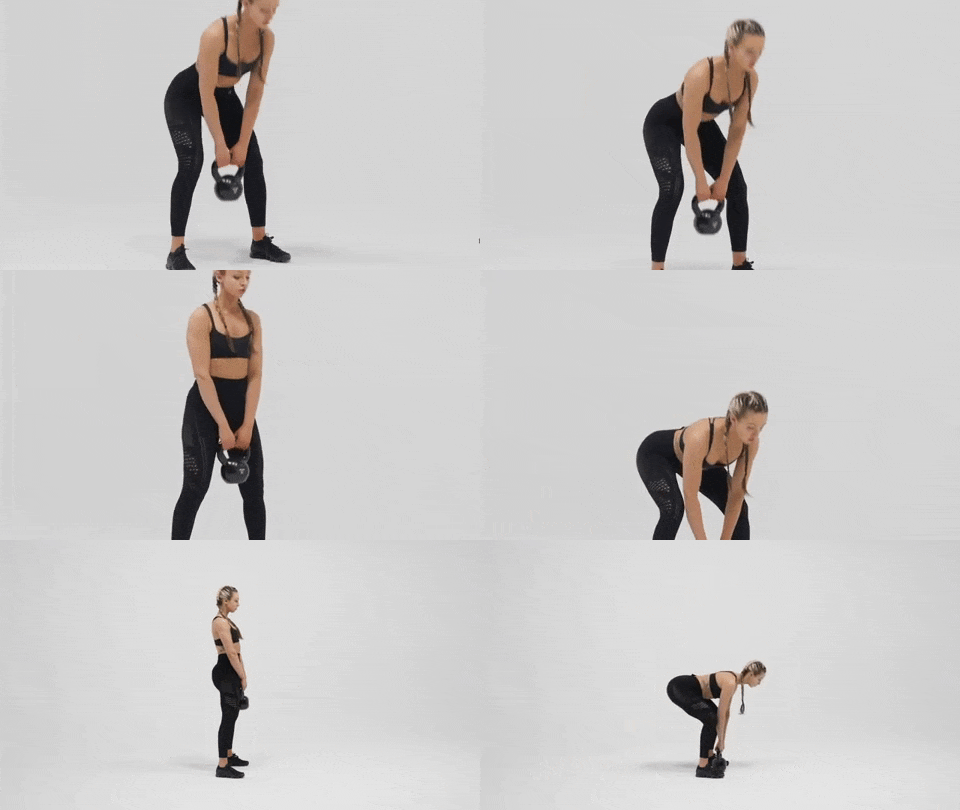
3. Posterior Chain: Deadlift
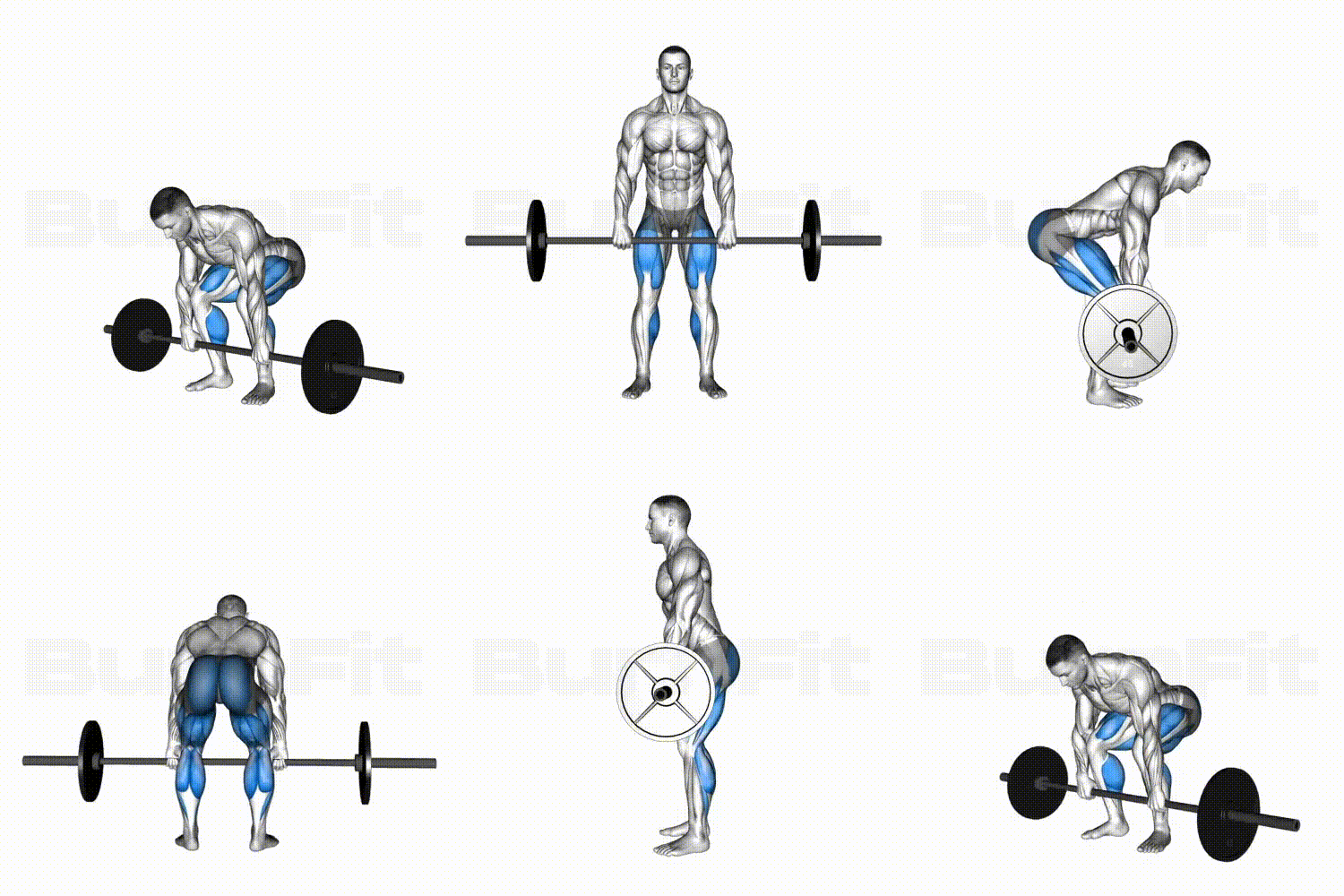
The deadlift is a hip-hinge movement that primarily works the glutes and hamstrings while strengthening the muscles along the posterior chain.
4. Back: Lat Pulldown or Pull-Up
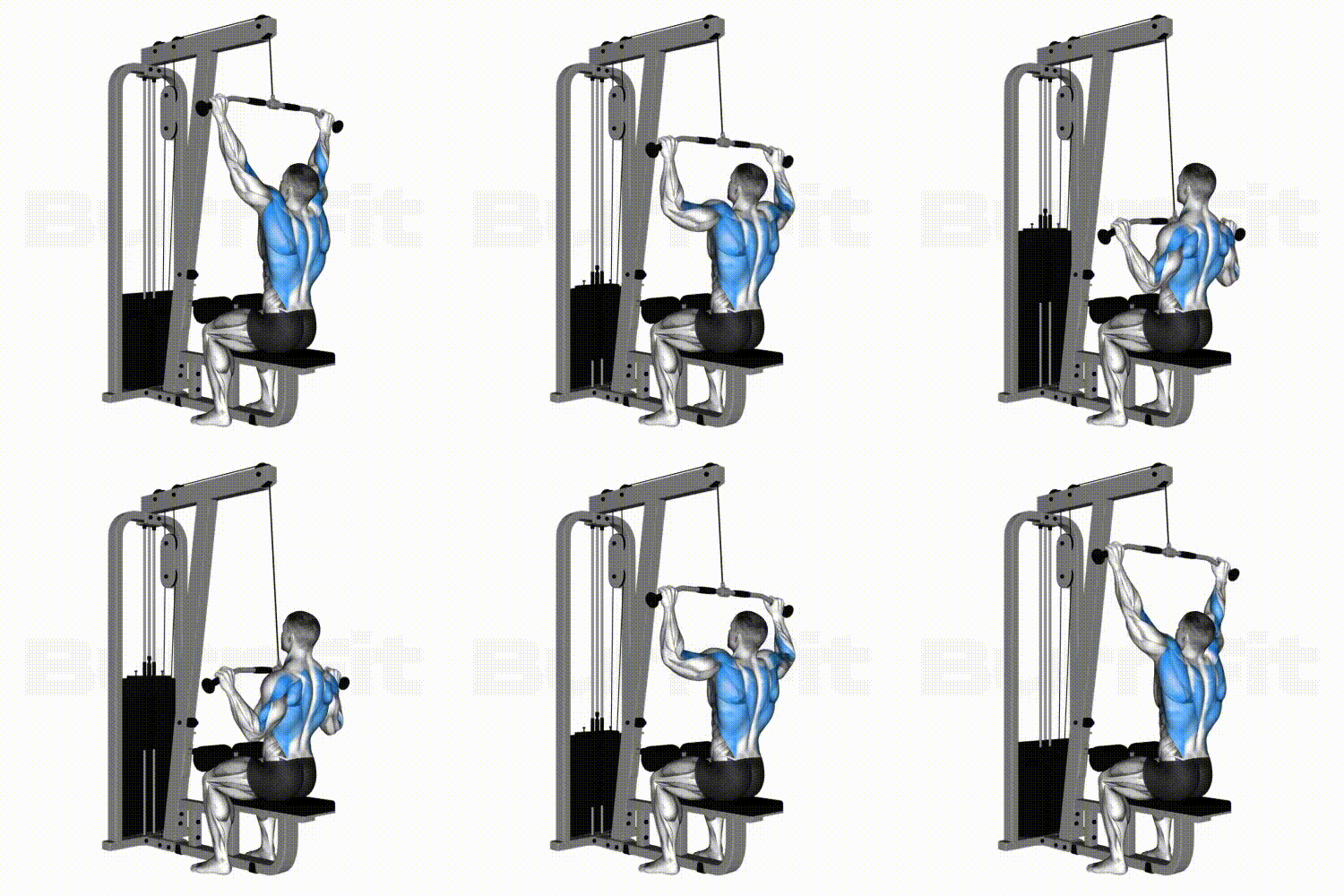
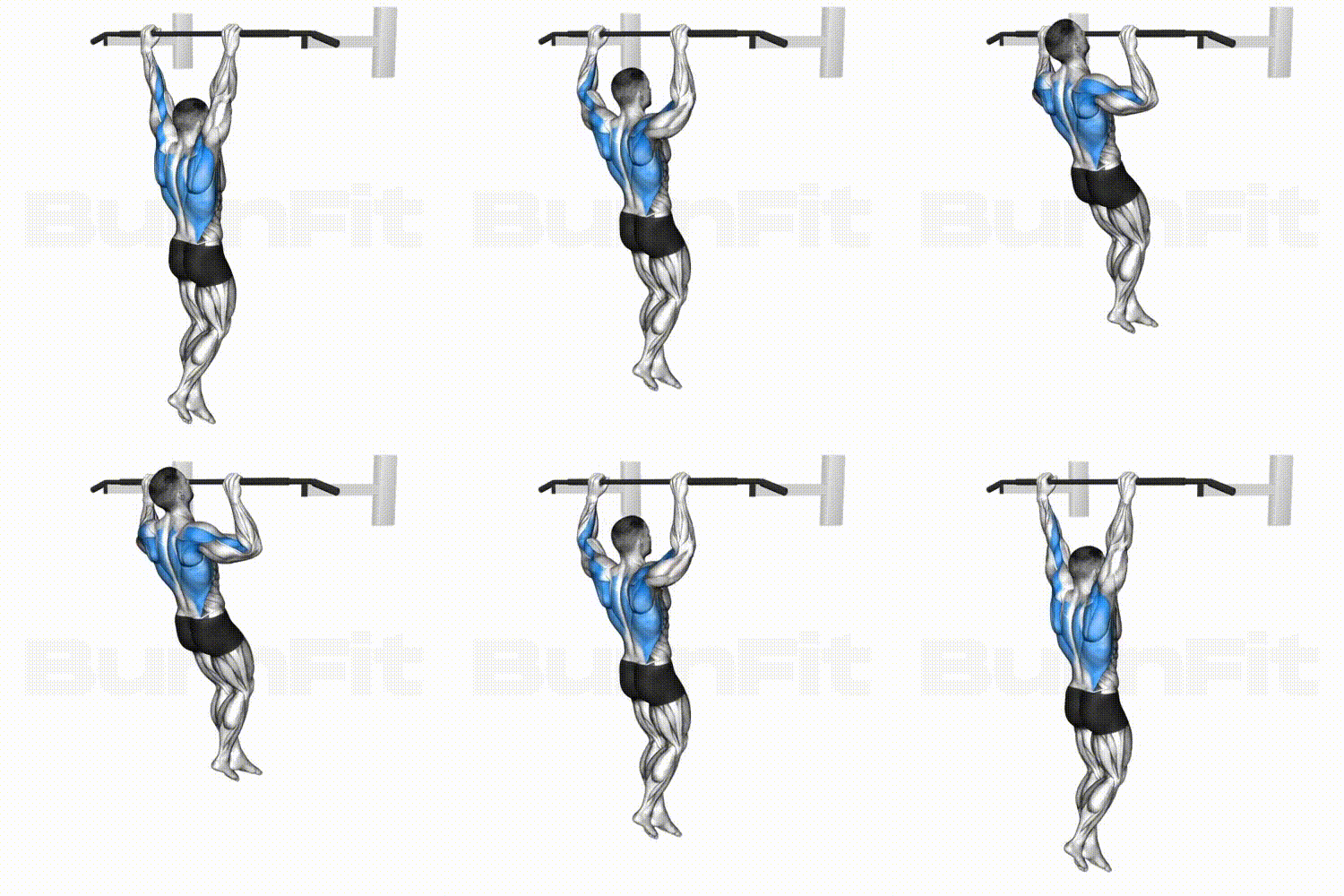
These pulling exercises involve pulling the arms toward the body from an overhead position, primarily engaging the latissimus dorsi and other back muscles.
5. Core: Plank
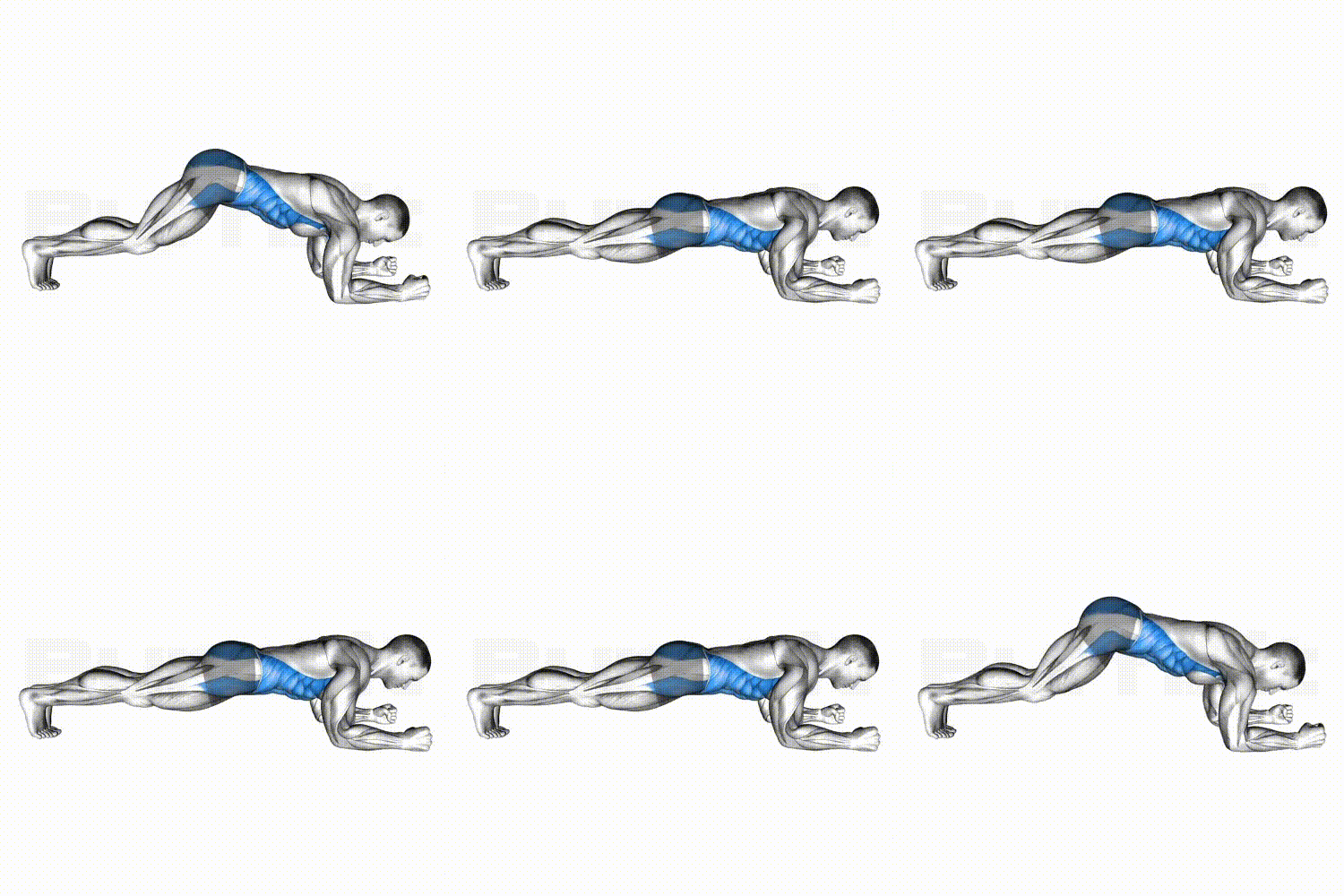
The plank is a fundamental core exercise that maintains full-body tension while helping stabilize the spine and pelvis.
Part 3. Beginner Strength Training Routines
Creating a sustainable beginner strength training routine by combining exercises based on your goals and training environment is important for building consistency.
🏠 At Home: Bodyweight & Light Equipment Routine
This beginner-friendly routine uses bodyweight and simple equipment to work the upper body, lower body, and core.
- [Warm-Up] Bodyweight Squat: 10–15 reps × 1–2 sets
(Raise body temperature and check your joint range of motion.) - [Upper-Body Push] Knee Push-Up: 8–12 reps × 3 sets
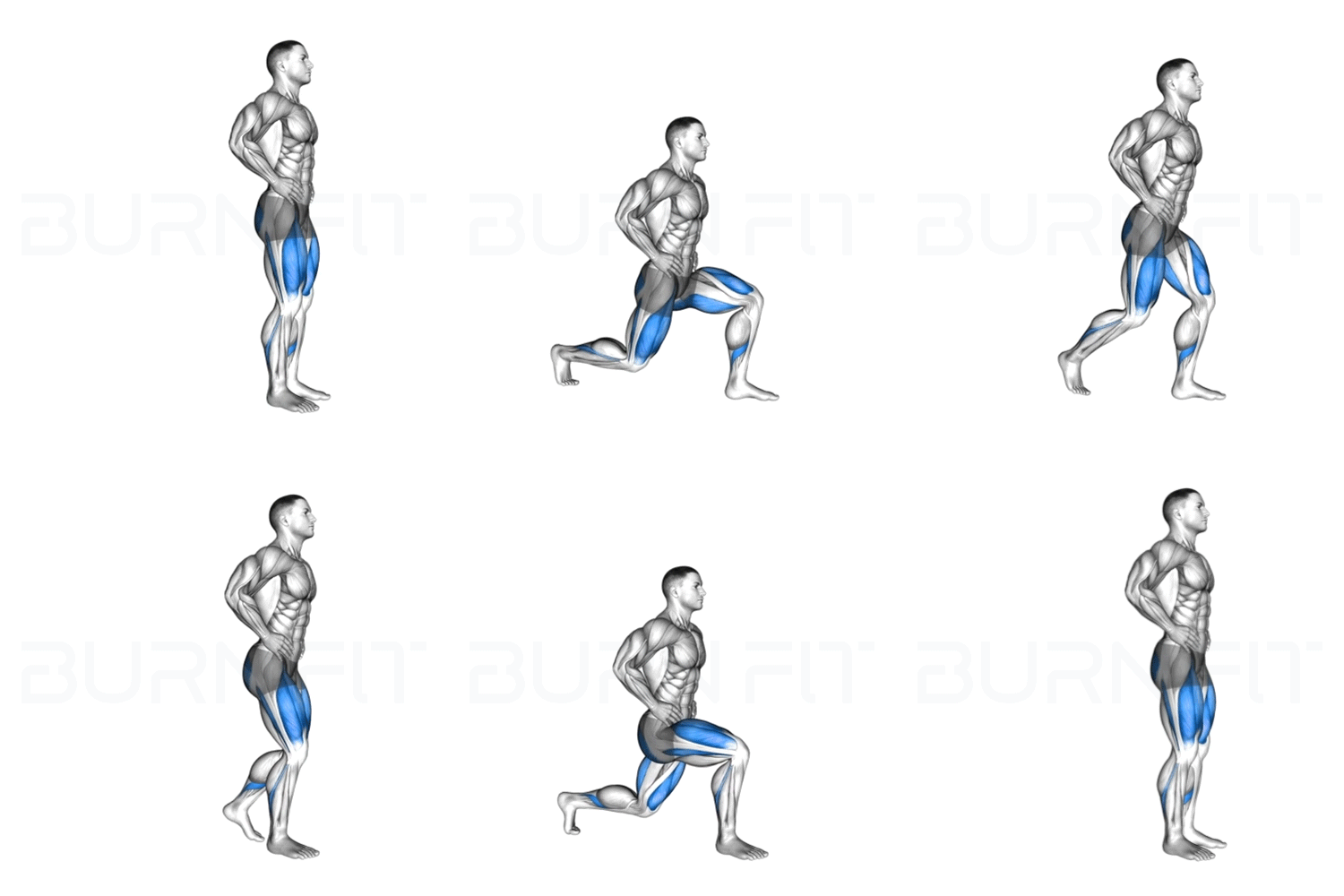
(Keep your knees on the floor and focus on your chest muscles.) - [Lower Body] Reverse Lunge: 10 reps per side × 3 sets
(Step backward while focusing on the glutes and thighs.)
- [Core] Plank: 30–45 sec × 3 sets
(Maintain tension throughout your abs and core.)
💡Tip: For bodyweight exercises, focus on controlling the lowering phase slowly to keep the muscles under tension.
–
🏋️♀️ At the Gym: Machine & Free-Weight Routine
This routine combines machines and free weights to work the major muscle groups throughout the body.
- [Lower Body] Machine Leg Press: 10–12 reps × 3 sets
(Focus on your thighs and glutes throughout the movement.) - [Upper-Body Pull] Lat Pulldown: 10–12 reps × 3 sets
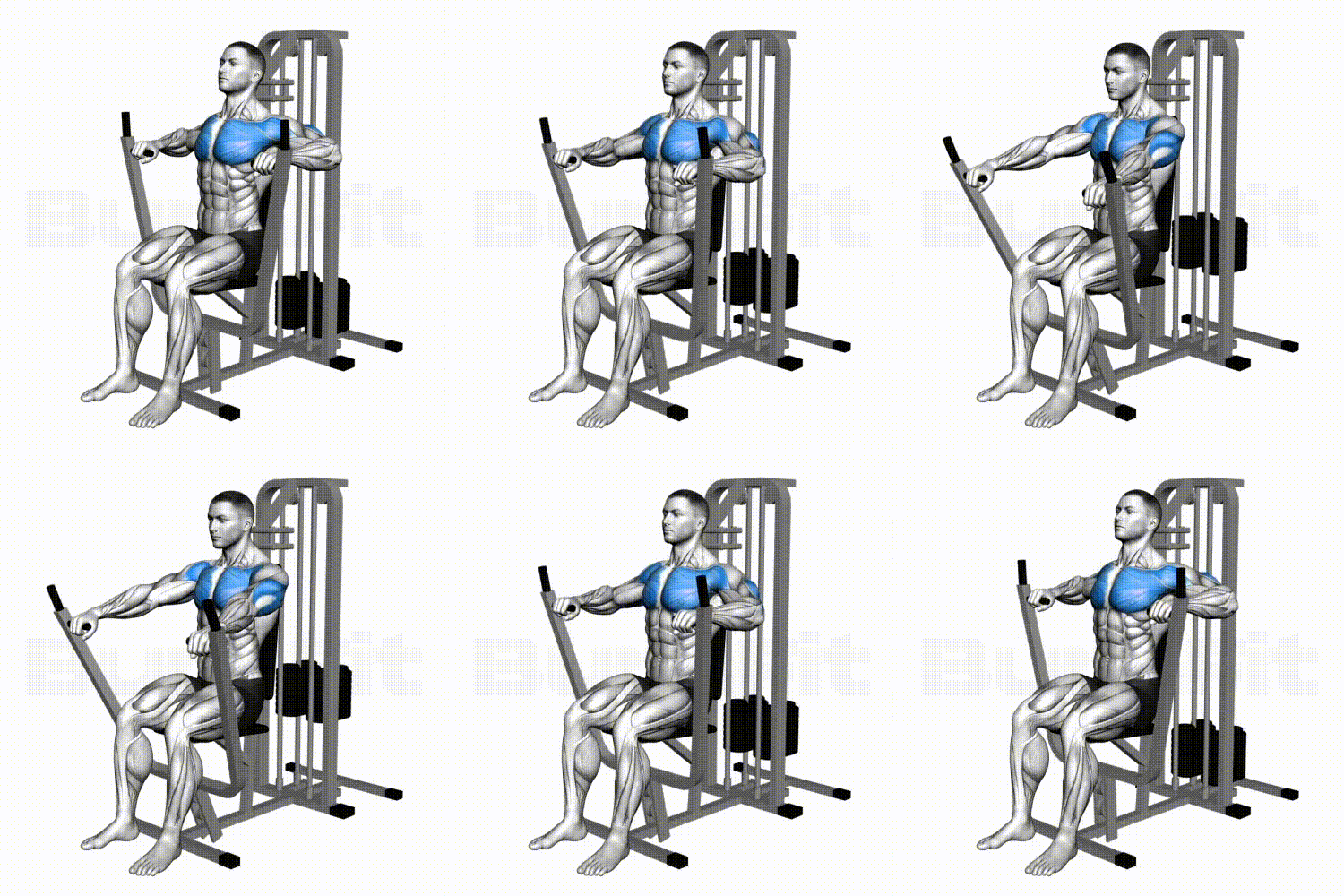
(Focus on engaging your back muscles as you pull.) - [Upper-Body Push] Chest Press Machine: 10–12 reps × 3 sets
(Focus on the contraction and extension of your chest muscles.)
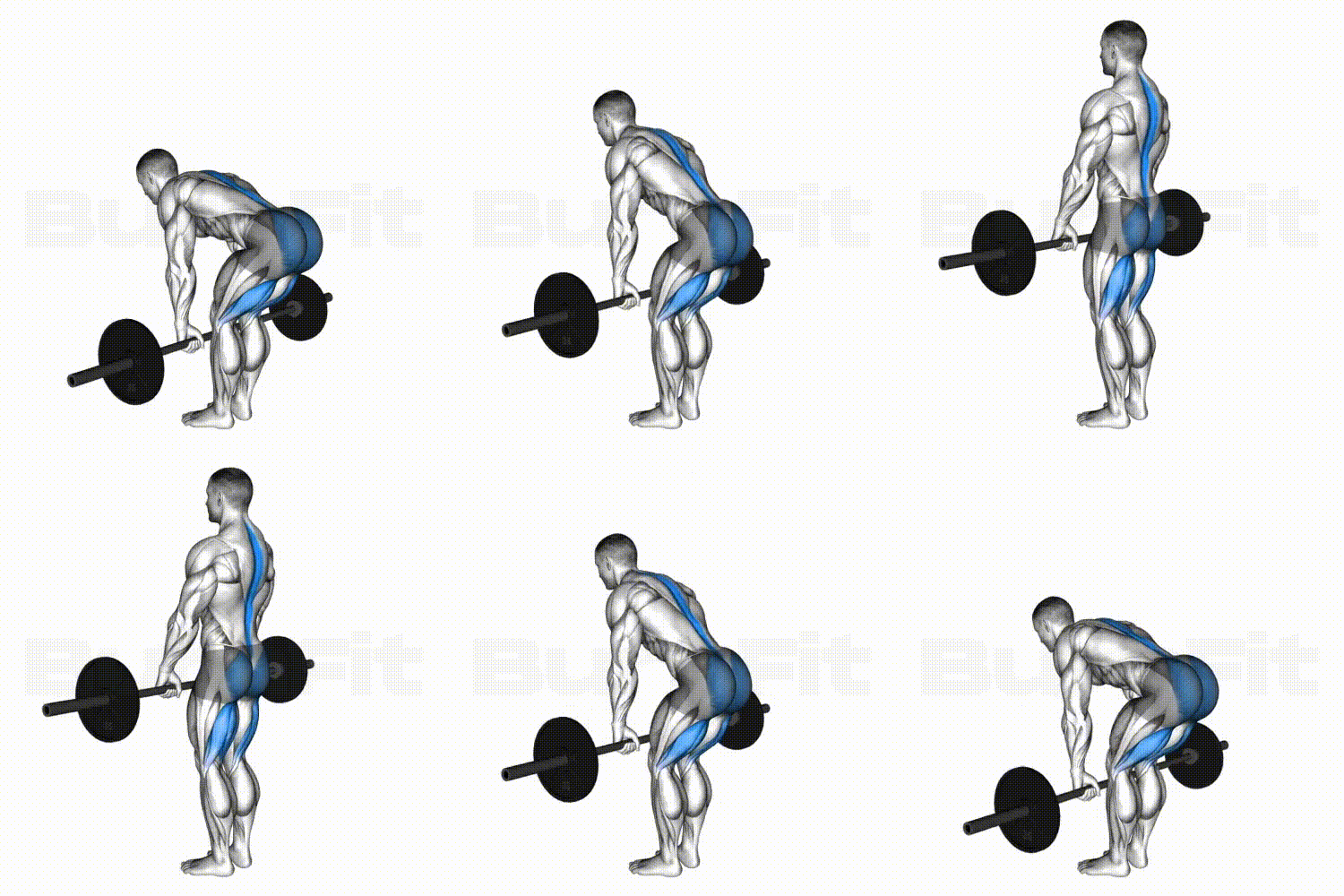
- [Posterior Chain] Romanian Deadlift: 8–10 reps × 3 sets
(Use a hip-hinge movement to load the hamstrings and glutes.)
💡Tip: Instead of choosing a heavy weight, start with a load that allows you to maintain proper form and gradually increase the intensity over time.
🔥 Part 5. Track Your Strength Training Progress with BurnFit
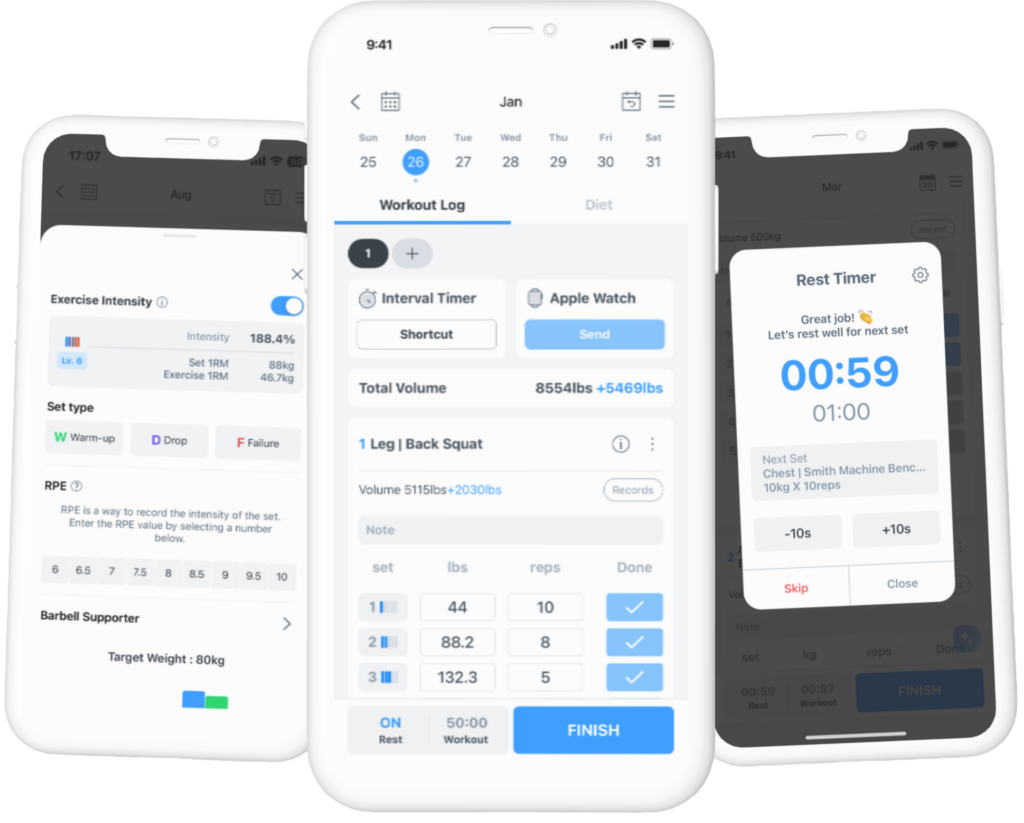
To make progress with strength training, it is important to gradually increase your sets, weight, and repetitions based on your previous workout records.
Using the workout tracking app BurnFit can help you manage your strength training more systematically.
- Save your routines: Save your frequently used exercise combinations and load them quickly when you work out.
- Check your previous set records: Review your previous weight and repetitions to set specific goals for today’s workout.
- Visualize volume growth: Check weekly and monthly changes in your total training volume through graphs and track your progressive overload over time.
Once you have found a strength training routine that works for you, save it in BurnFit and start recording your first set today.


Seated Cable Row: 3 Tips for Better Form
Strength Training for Beginners: 5 Exercises, Benefits & Routine
Hevy vs BurnFit: Which Workout Tracking App Fits the Way You Train?
7 Key Lower Body Strength Exercises for Every Muscle Group
Glute Exercises: 3 Key Points for Building Toned Glutes
Thigh Muscle Exercises: 3 Key Points for Stronger Legs