

Part 1. Why Glute Exercises Are Essential
The glutes make up one of the largest muscle groups in the human body. Including dedicated glute exercises in your lower-body routine is essential for several key reasons:
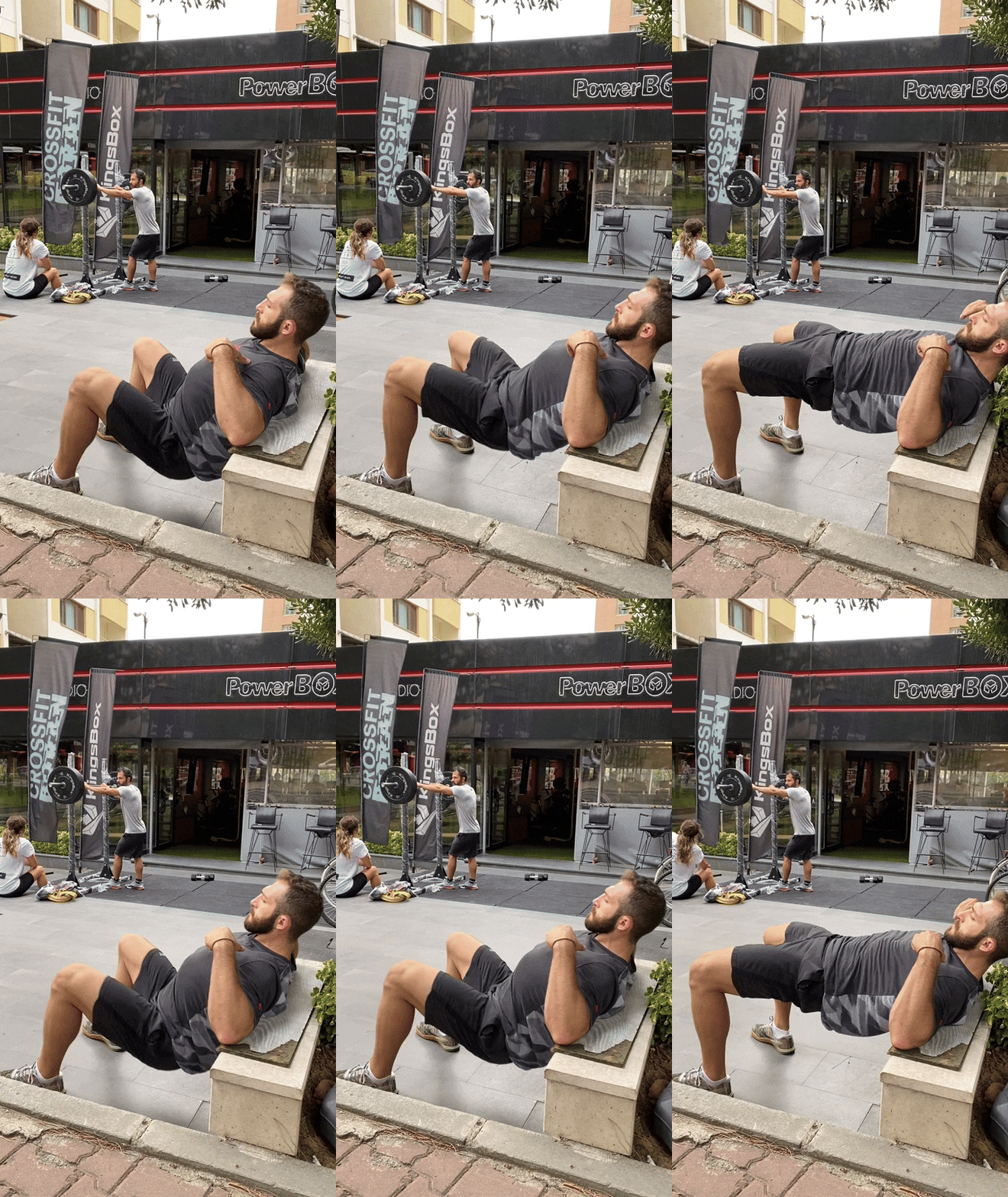
Sculpted Lower Body: Training both the gluteus maximus and gluteus medius can help develop the muscles that contribute to lower-body shape and balance.
Lower-Body Stability: Strong glutes stabilize pelvic and leg movements, preventing swaying during heavy lifts like squats and lunges.
Efficient Lower-Body Training: As major hip extensors, the glutes contribute to force production during compound movements such as squats and deadlifts.
Part 2. Best Glute Exercises for Targeted Muscle Groups
The gluteal muscles include the gluteus maximus, gluteus medius, and other smaller muscles that contribute to hip movement and stability. Organizing your workout by target area can help you train the glutes more comprehensively.
1. Gluteus Maximus Exercises for Overall Volume
The largest of the three gluteal muscles, the gluteus maximus contributes to overall hip extension and lower-body movement.
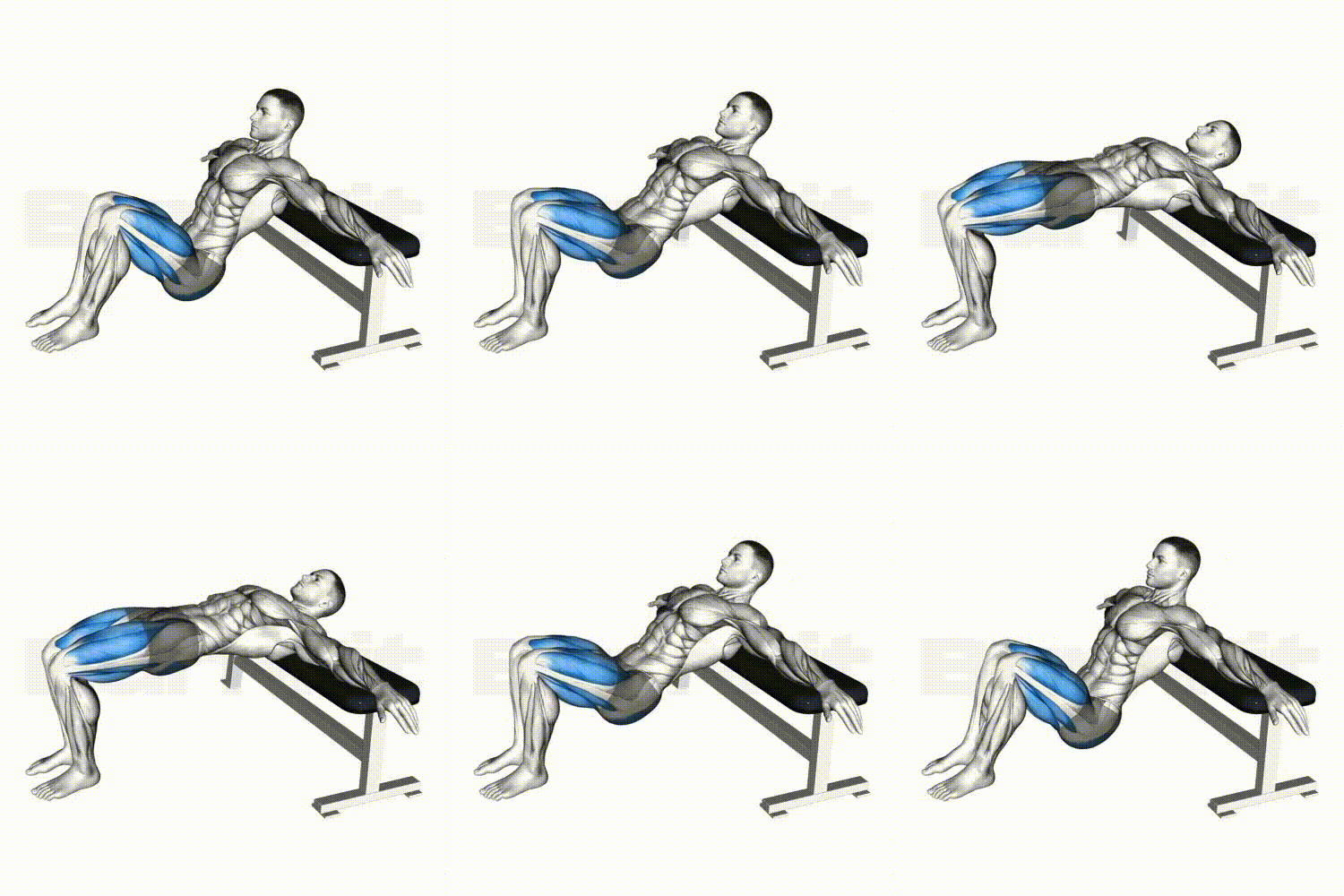
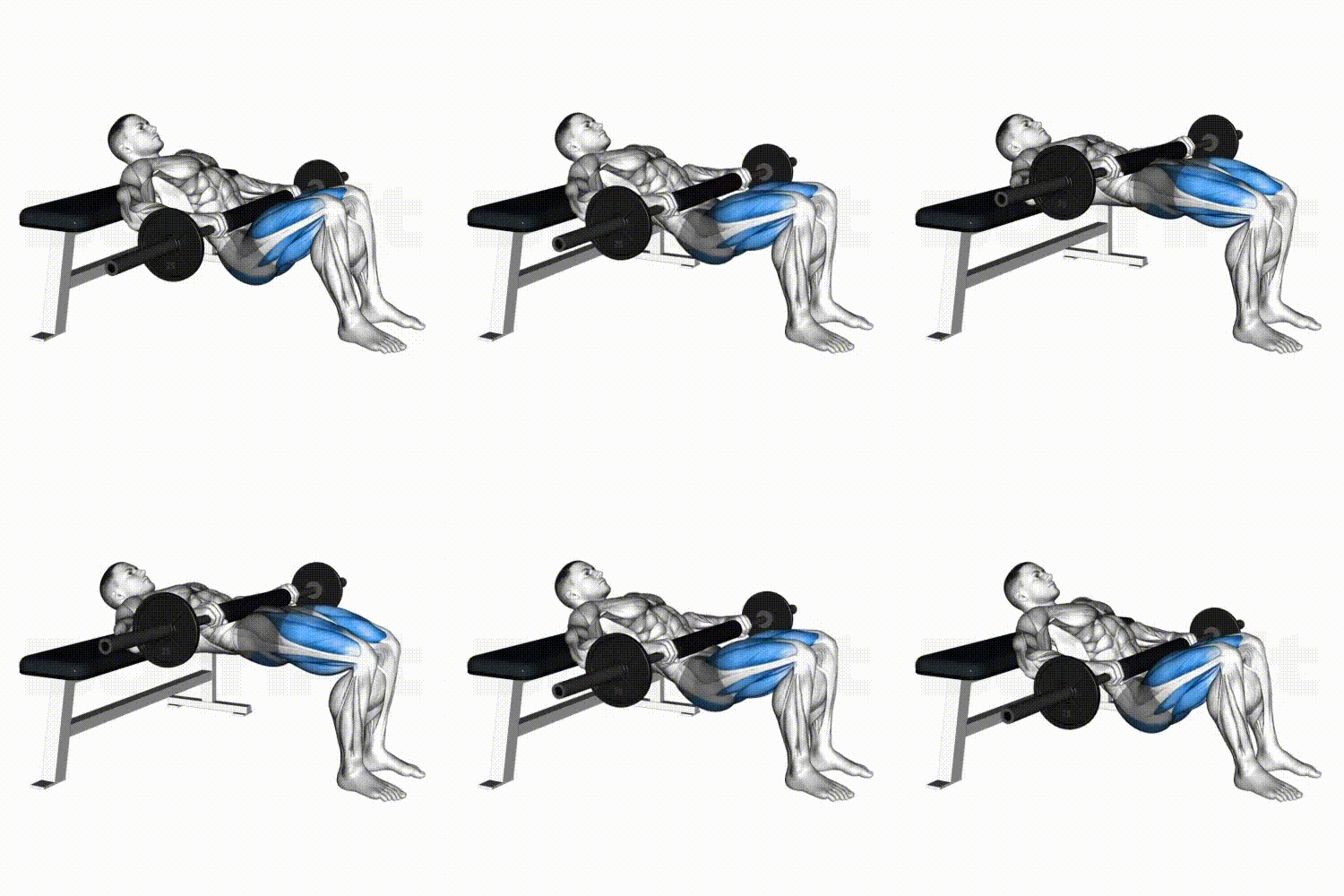
- Hip Thrust: Resting the upper back against a bench while driving the hips upward under load. This directly targets the gluteus maximus, making it a staple glute exercise for adding volume.
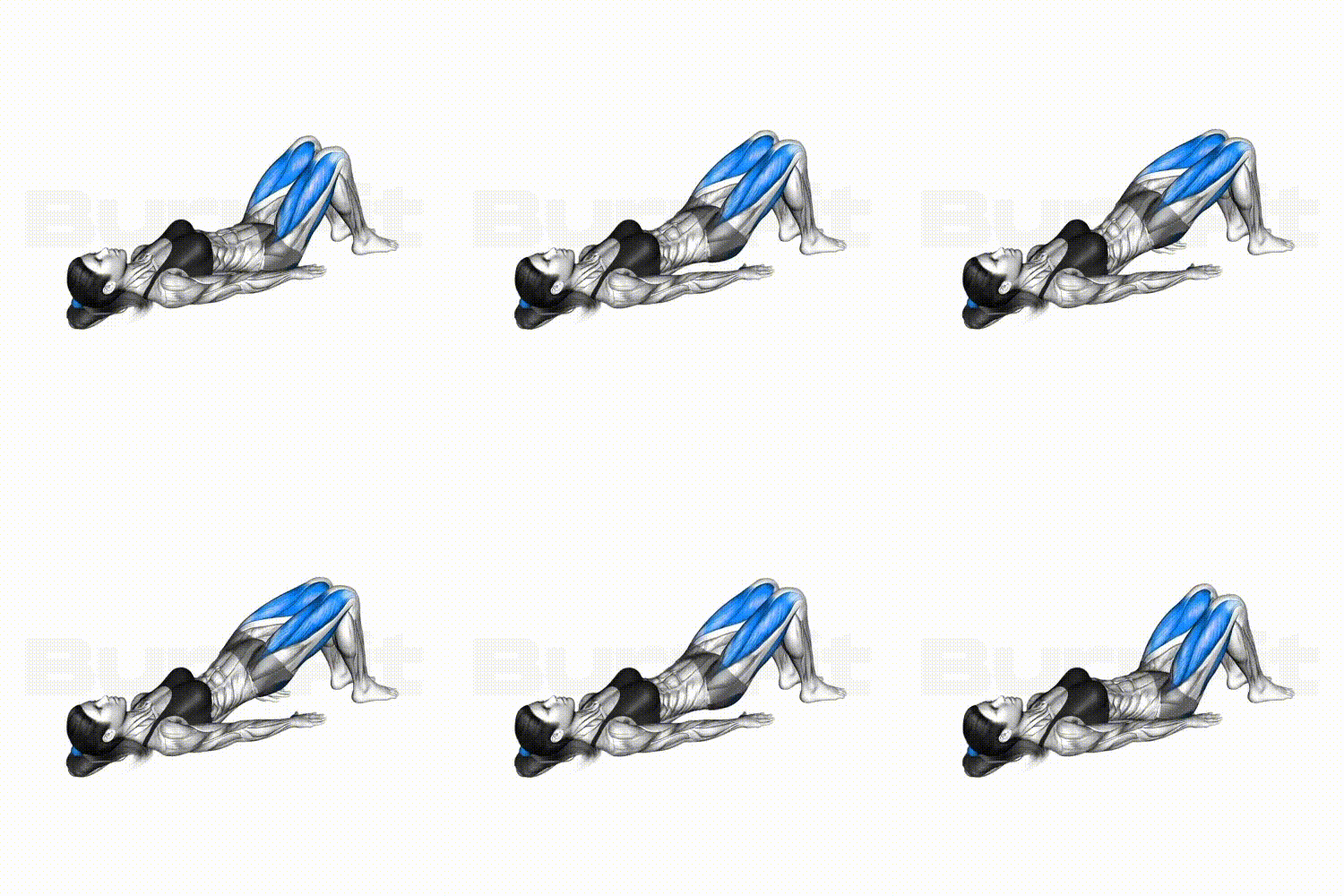
- Glute Bridge: Performed lying flat on the floor and lifting the hips. An ideal bodyweight warmup or beginner movement to master glute contraction without equipment.
2. Gluteus Medius Exercises for Side Hips
Located on the sides of the hips to smooth out the pelvic line and stabilize the lower body.
- Hip Abduction: Seated on a machine while pushing the thighs outward. Targets the gluteus medius and helps strengthen the muscles along the sides of the hips.

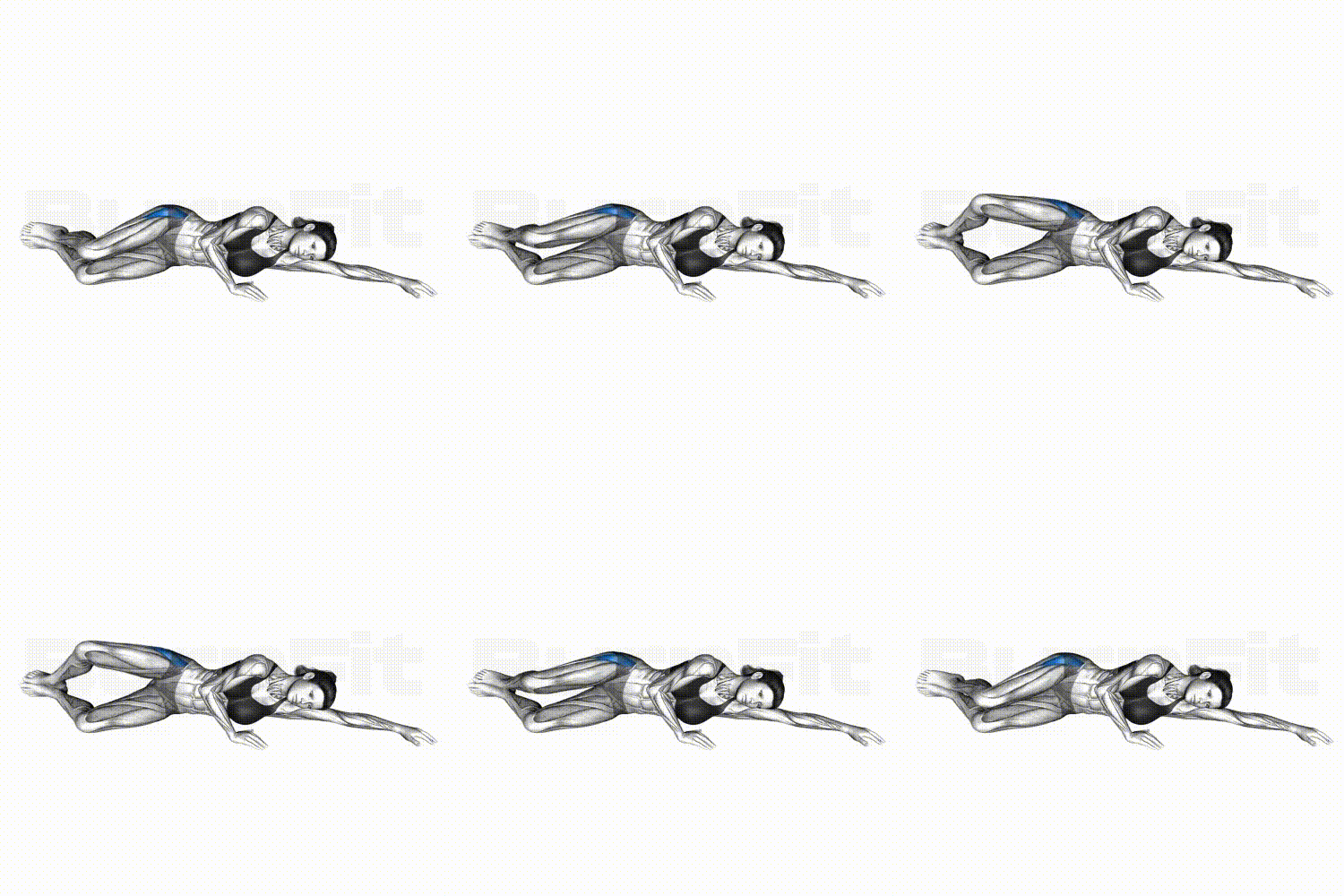
- Clamshell: Lying on your side and opening the knees like a shell. Activates the gluteus medius and helps stabilize the pelvis during lower-body training. (= Side Lying Clam)
3. Exercises for Upper Glutes & Glute Detail
Utilizes larger ranges of motion or focused peak contractions to refine the glute line.
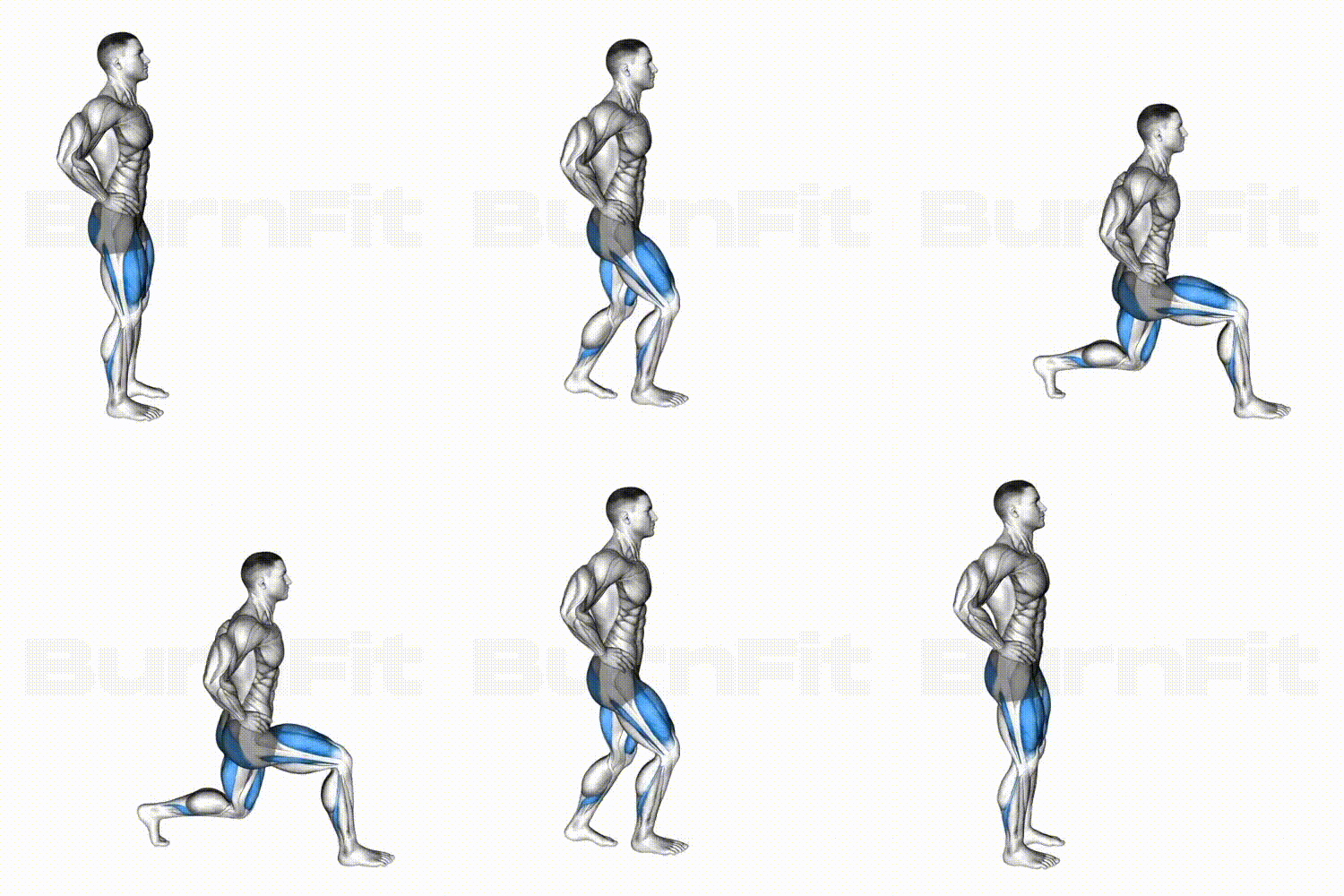
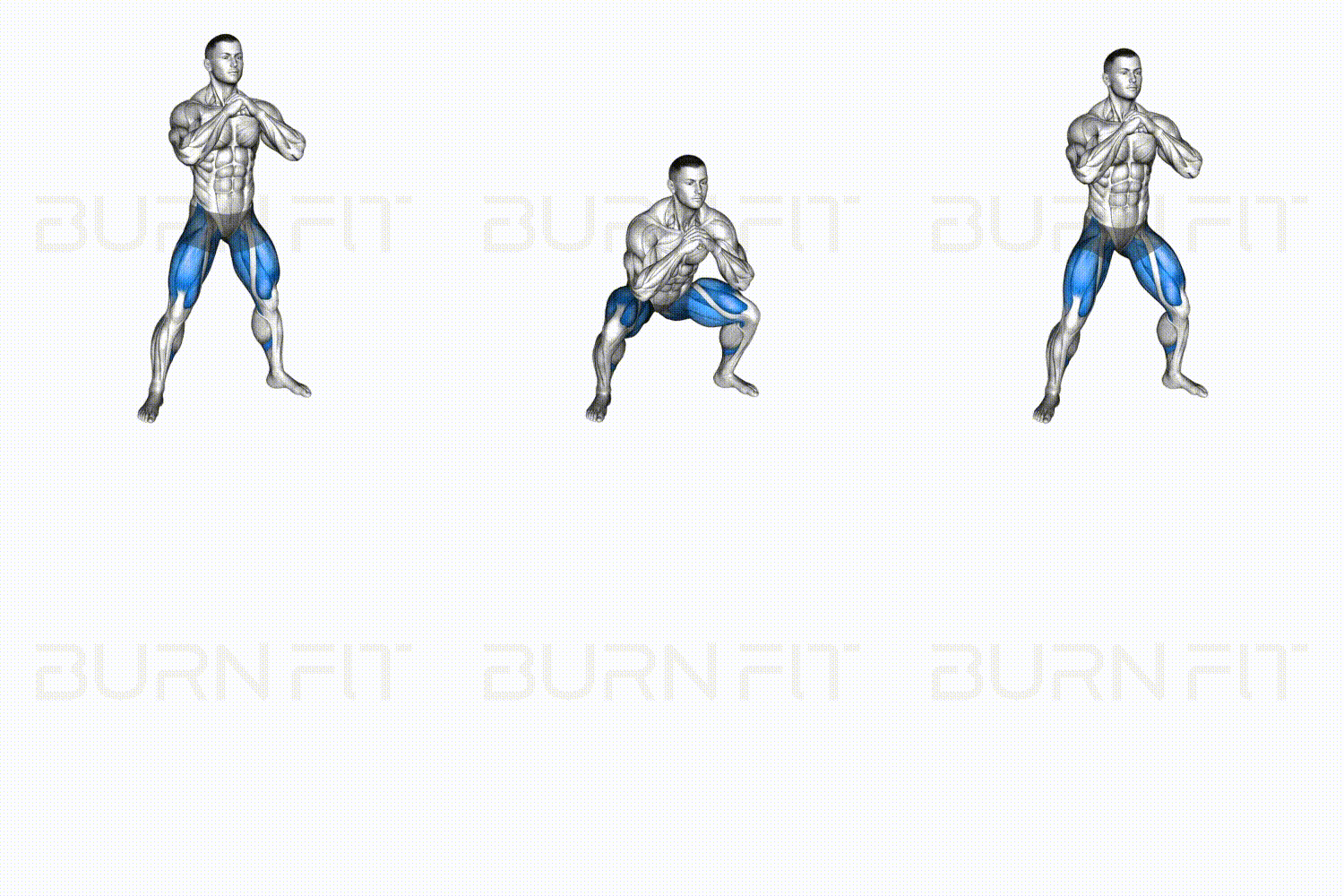
- Lunge & Wide Squat: Stepping into a wide stance to deeply flex the hips. Challenges the glutes through a larger range of motion while also engaging the lower body.
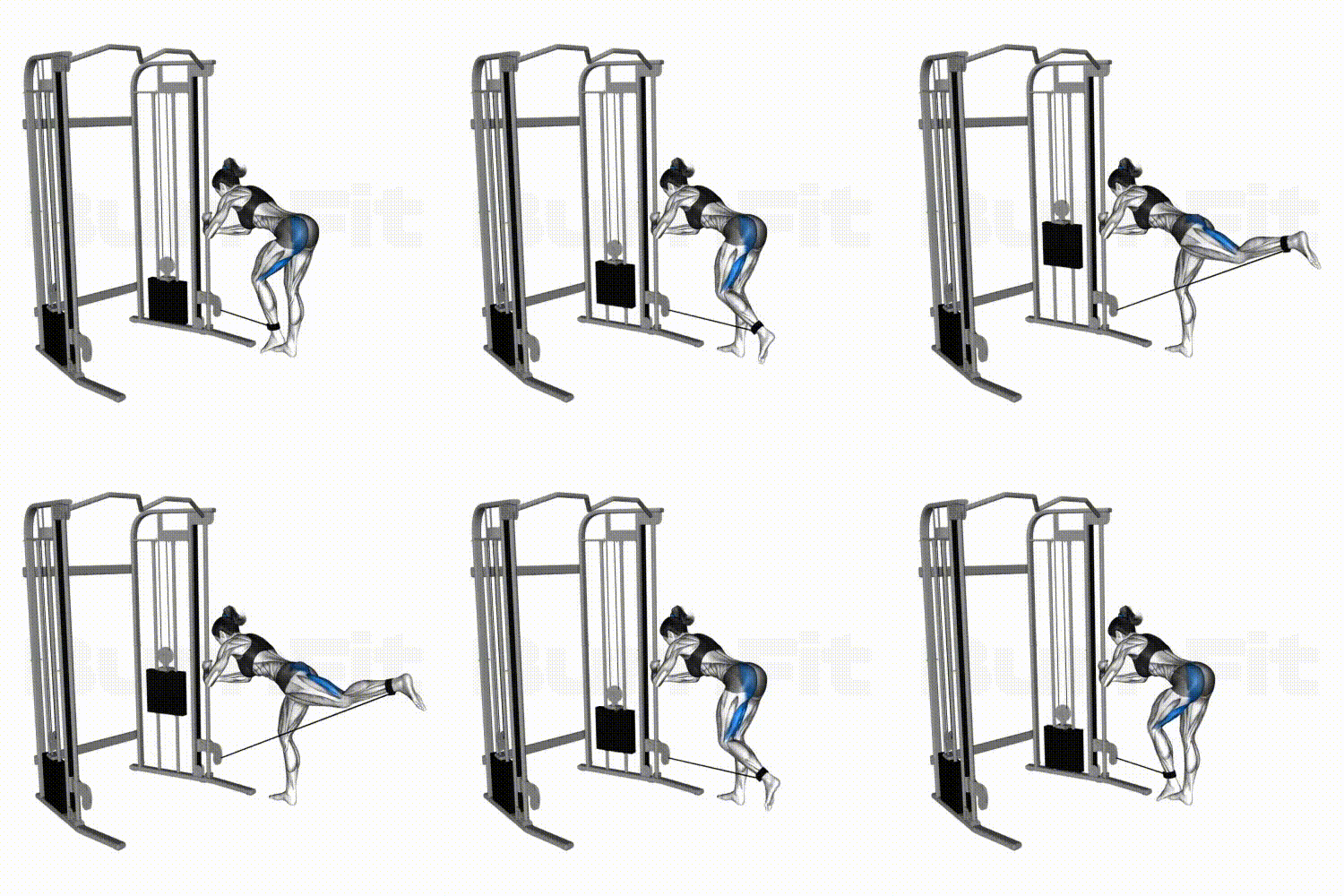
- Cable Kickback: Attaching a cable or resistance band to the ankle and extending the leg backward. Targets the glutes through hip extension and emphasizes contraction at the end of the movement.
Part 3. Glute Workout Routines for Toned Glutes
You don’t need to perform every movement in a single session. Pick 3–4 exercises that match your experience and training environment to build an effective glute workout routine.
🏠 At-Home: Bodyweight & Resistance Band Routine
A routine designed to awaken glute activation and add firmness using bodyweight or bands.
[Warmup] Clamshell: 15 reps × 2 sets
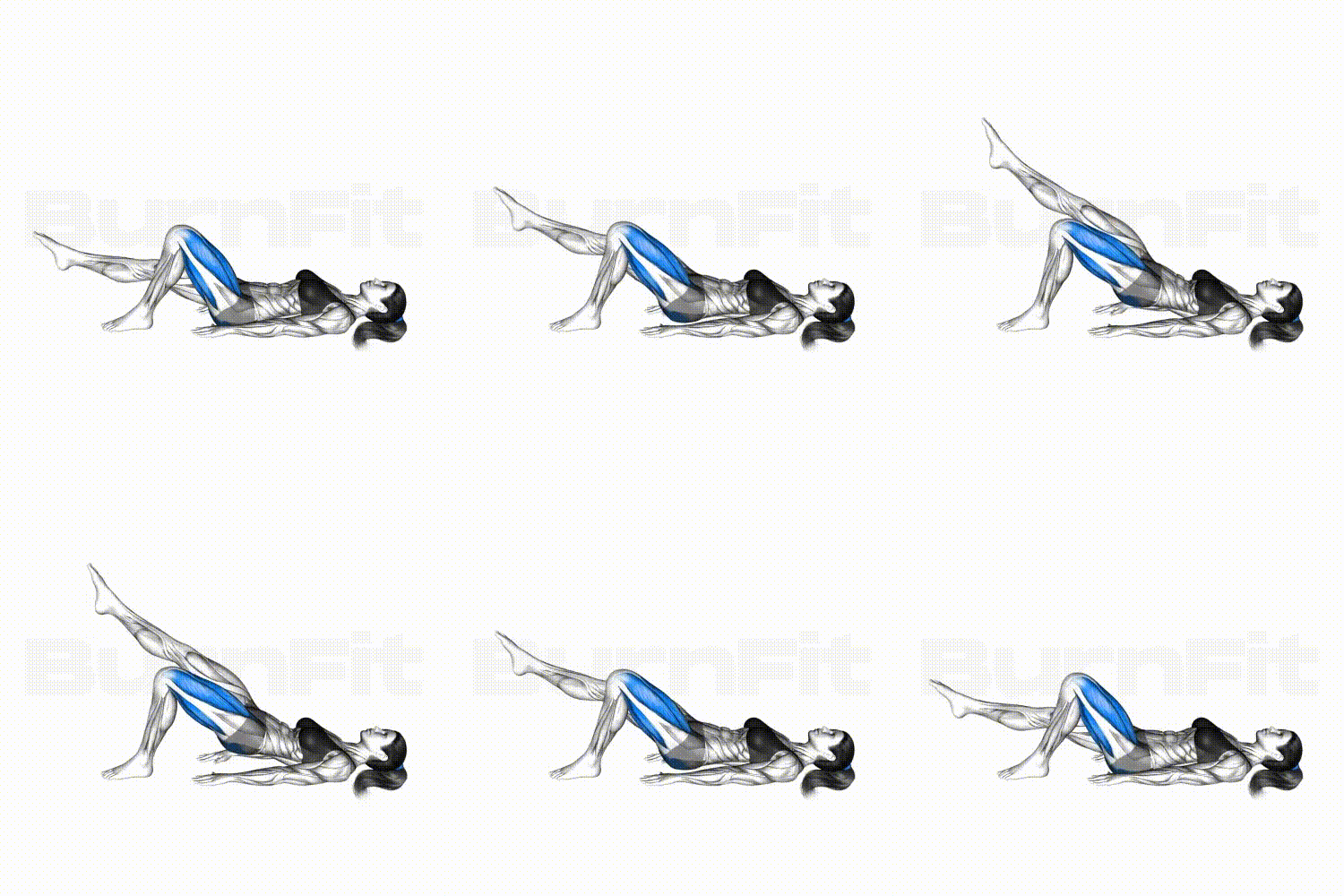
(Lying on your side to activate lateral glutes)[Main] Single-Leg Glute Bridge: 12–15 reps per side × 3 sets
(Unilateral execution to maximize muscular tension with bodyweight)
[Secondary] Wide Squat: 15–20 reps × 3 sets
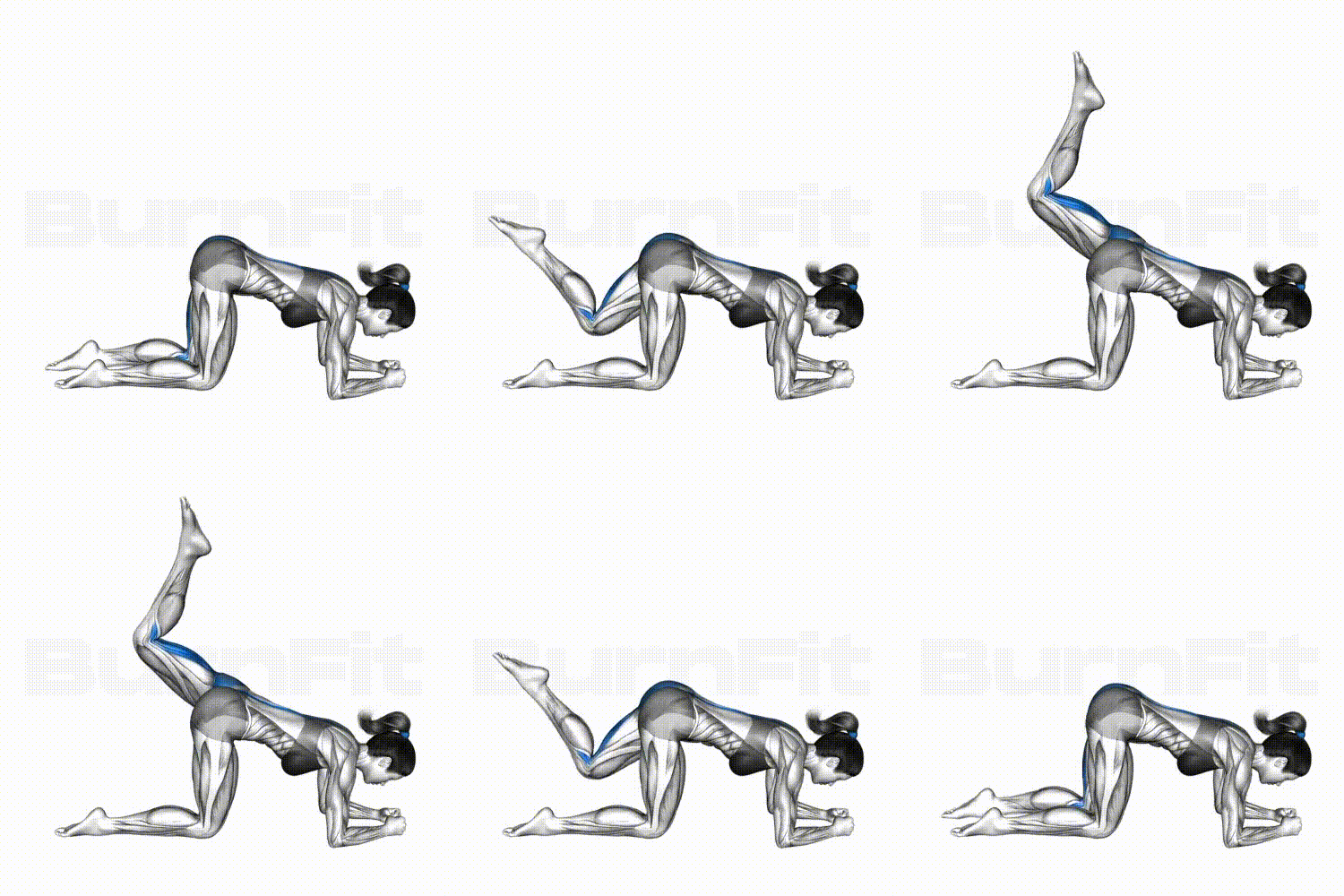
(Widening the stance to target glutes and inner thighs; add light dumbbells if available)[Finisher] Donkey Kick: 20 reps per side × 3 sets
(Kicking backward to maximize upper glute contraction)
💡Key Point
: Because home workouts use lighter loads, perform movements slowly and focus entirely on deep stretch and full contraction.
–
🏋️♀️ Gym: Machine & Free-Weight Routine
Uses progressive resistance to progressively challenge the gluteus maximus and support muscle growth.
[Warmup] Hip Abduction: 15–20 reps × 2 sets
(Using light weight to warm up the gluteus medius and hips)[Main] Barbell Hip Thrust: 8–12 reps × 4 sets
(A primary strength exercise for training the gluteus maximus under load)
[Secondary] Dumbbell Lunge (or Wide Squat): 10–12 reps per side × 3 sets
(Deeply flexing the hips to stretch and shape the glutes)

[Finisher] Cable Kickback: 12–15 reps per side × 3 sets
(Squeezing the glutes at full extension for a strong finish)
💡 Key Point
: For the main exercise (Hip Thrust), select a weight where the final 2–3 reps are challenging yet doable with good form.
Part 4. 3 Essential Tips for Building Toned Glutes
Poor execution shifts tension away from the glutes to the lower back or quads. Keep these 3 core principles in mind to maximize your glute exercises:

Use Your Hips (Hip Hinge), Not Your Lower Back
Excessive arching of the lower back can shift tension away from the glutes and place additional stress on the lumbar region. Keep a neutral spine and focus on hinging at the hips to load the glutes properly.
Focus on Glute Contraction Before Increasing Weight
The glutes can be difficult to recruit. Establish a strong mind-muscle connection, squeezing the glutes hard at peak contraction for 1–2 seconds before adding heavy loads.
Apply Progressive Overload and Prioritize Recovery
Once a target rep range becomes easy, increase the weight, reps, or sets. Allow adequate recovery between demanding glute sessions, especially when training the same muscles at high intensity.
🔥 Part 5. Track Your Glute Exercises with BurnFit for Maximum Growth
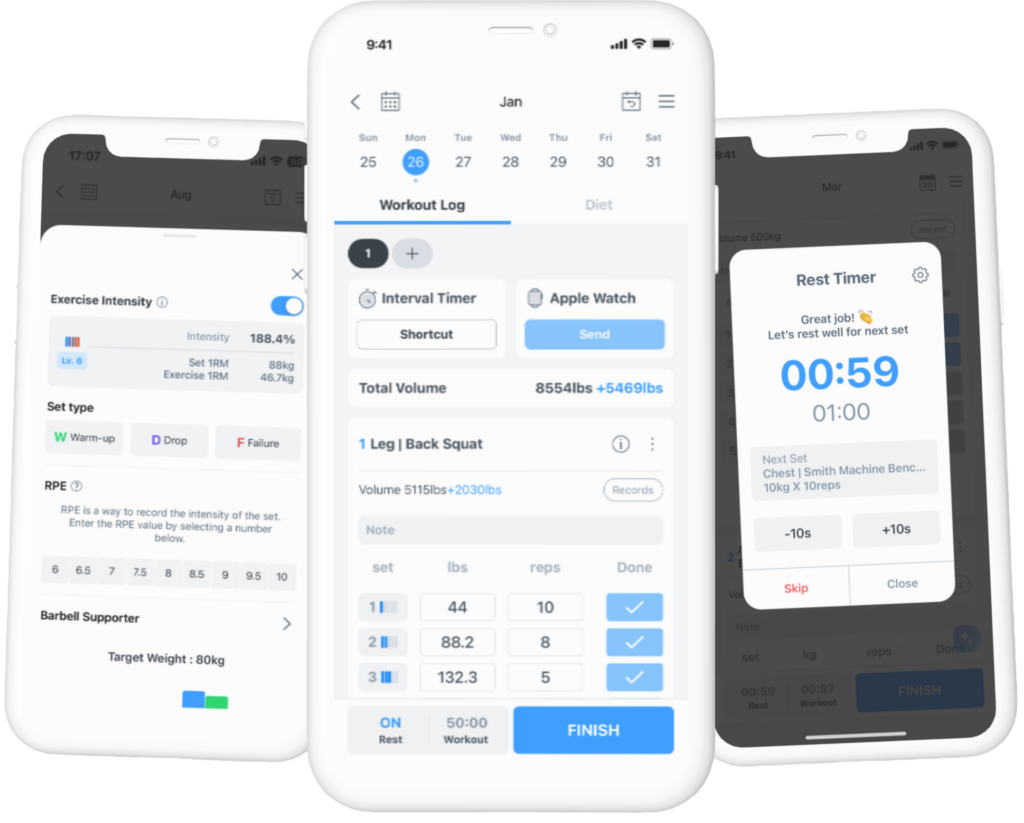
Consistent glute building relies on progressive stimulus rather than guessing your intensity. Recording sets, reps, and weights helps prevent plateaus and ensures long-term progress.
Using the workout tracking app BurnFit makes managing your glute exercises simple and structured:
Save Custom Glute Routines
Save your home or gym routine from Part 3 directly in the app to log sets and reps seamlessly during your workout.
Review Past Logs for Progressive Overload
Instantly check previous loads (e.g., “What weight did I hip thrust last week?”) to set clear goals for today’s session and continually challenge your glutes.
Visualize Progress with Volume Graphs
Monitor total glute training volume (weight × reps × sets) over weeks and months to track your training progress and stay motivated.
Once you choose your routine, save it in BurnFit and start logging. Consistent tracking builds the foundation for strong, well-shaped glutes over time.


Strength Training for Beginners: 5 Exercises, Benefits & Routine
Hevy vs BurnFit: Which Workout Tracking App Fits the Way You Train?
7 Key Lower Body Strength Exercises for Every Muscle Group
Glute Exercises: 3 Key Points for Building Toned Glutes
Thigh Muscle Exercises: 3 Key Points for Stronger Legs
Why Is Resistance Training Essential as You Age? 5 Key Benefits for Maintaining Muscle and Strength