
❓ Part 1. Why is ‘Exercise’ the Answer?
To fall into a deep sleep as if a switch was turned off at night, you need to expend enough energy during the day. The scientific principle behind how exercise induces sleep is simple.
- ① Building Up Sleep-Inducing Substances (Adenosine)
- When you exercise during the day, your body uses energy and a substance called ‘adenosine’ builds up in your brain. The more adenosine you accumulate, the stronger the urge to sleep becomes at night. If you stay sedentary all day, your energy isn’t fully consumed, making it hard to fall asleep.
- ② Core Body Temperature Drop
- Humans fall into a deep sleep when their core body temperature drops. Light exercise in the evening temporarily raises your temperature. However, 90 to 120 minutes after finishing, your temperature drops even lower than usual. The brain recognizes this drop as a signal to enter sleep mode.
- ③ Clearing Stress Hormones
- ‘Cortisol’, the hormone released when you are stressed, is a major culprit in disrupting sleep. Moderate exercise helps relieve stress and promotes the secretion of serotonin, which calms the mind, allowing you to close your eyes without anxiety at night.
💪 Part 2. Safe Evening Exercise Routines for a Good Night’s Rest
In the evening, the standard approach is a light routine that gently activates the parasympathetic nervous system to induce sleep. These are excellent sleep-inducing exercises that you can search for and add to your custom routines in the BurnFit app.
💡 What is the ‘Parasympathetic Nervous System’?
– It is the part of the autonomic nervous system that activates when our body and mind are at rest. It helps conserve energy, aids digestion, and promotes physical recovery, working opposite to the fight-or-flight sympathetic nervous system to maintain homeostasis.
- 1. Light Stretching and Yoga
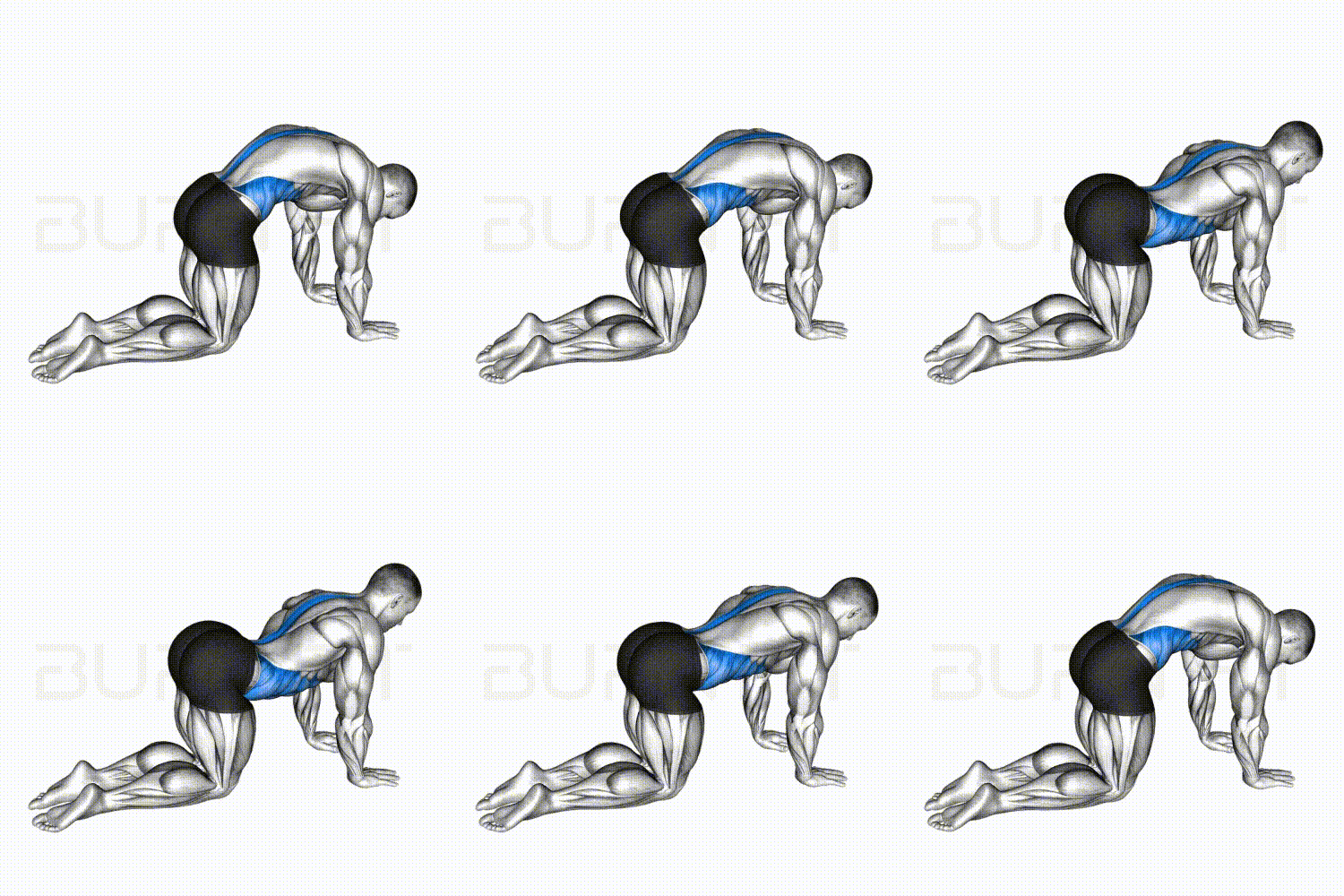
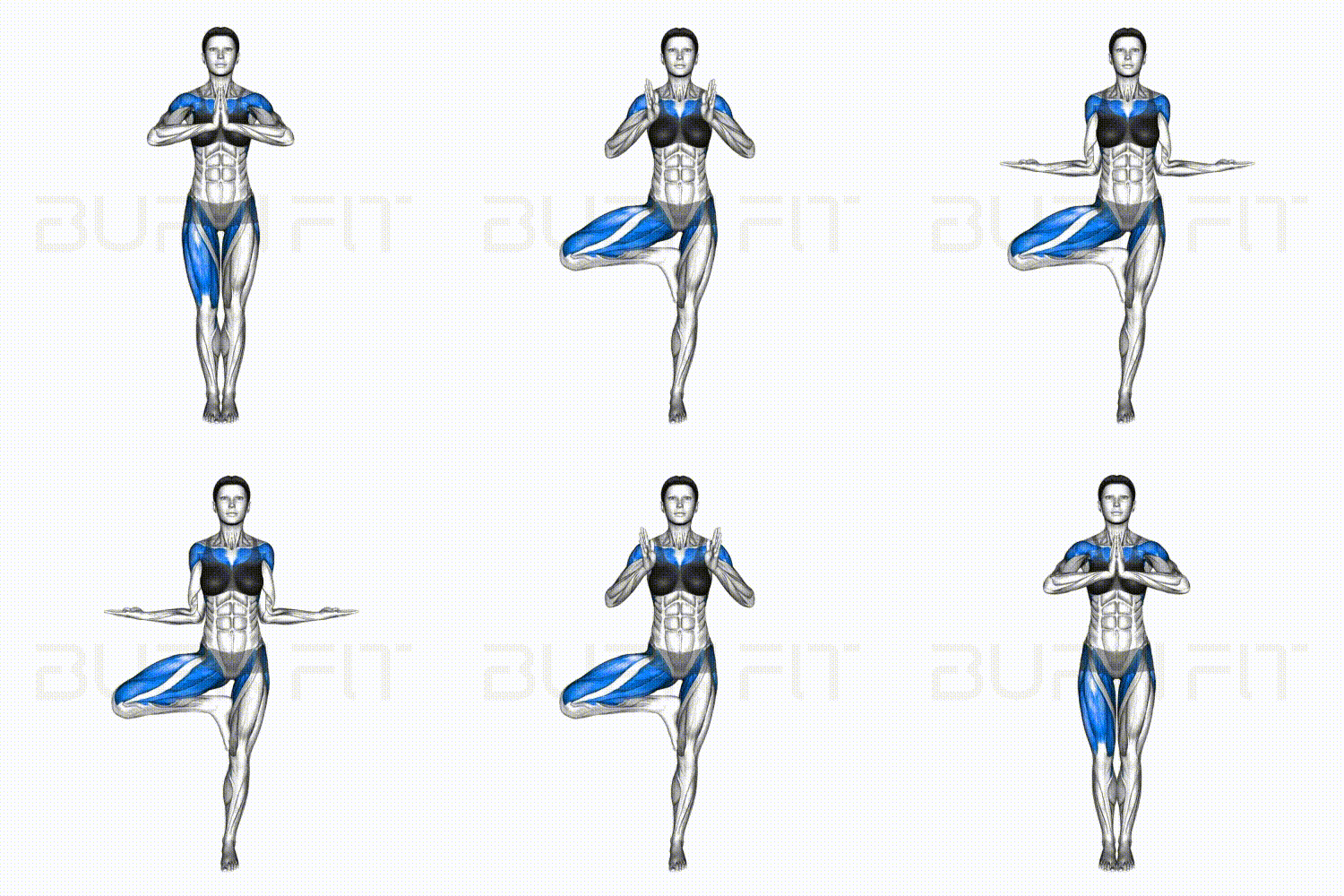
Recommended Volume: 15–20 minutes at a relaxed pace
Form TIP: Gently elongate your neck, shoulders, and hips, which have been stiff from staring at a monitor all day. This releases body tension and activates the parasympathetic nervous system. We highly recommend utilizing the ‘Cat-Cow Stretch’ found in the BurnFit library to effectively relieve tension around the spine and back.
- 2. Bodyweight Squats & Glute Bridges
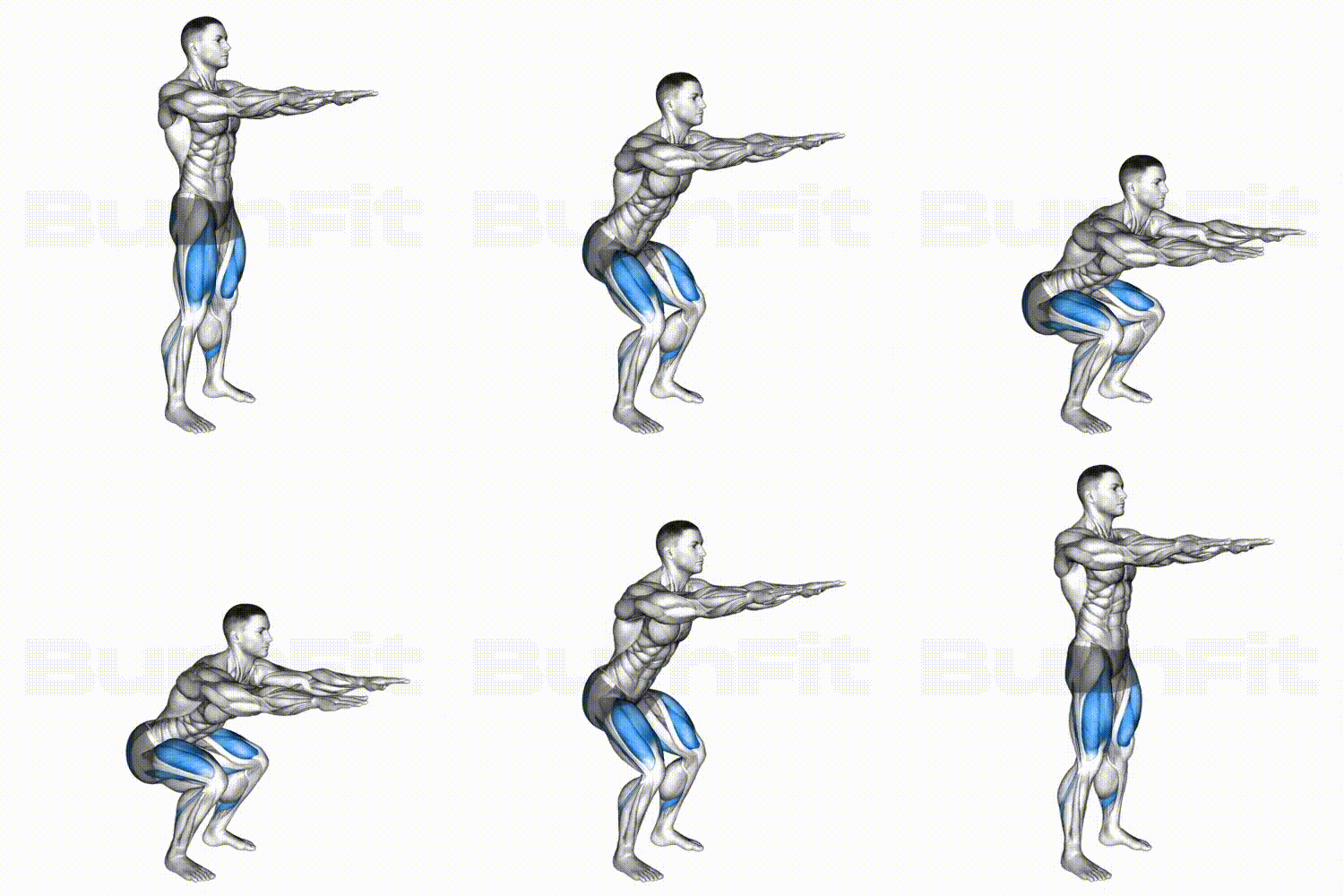
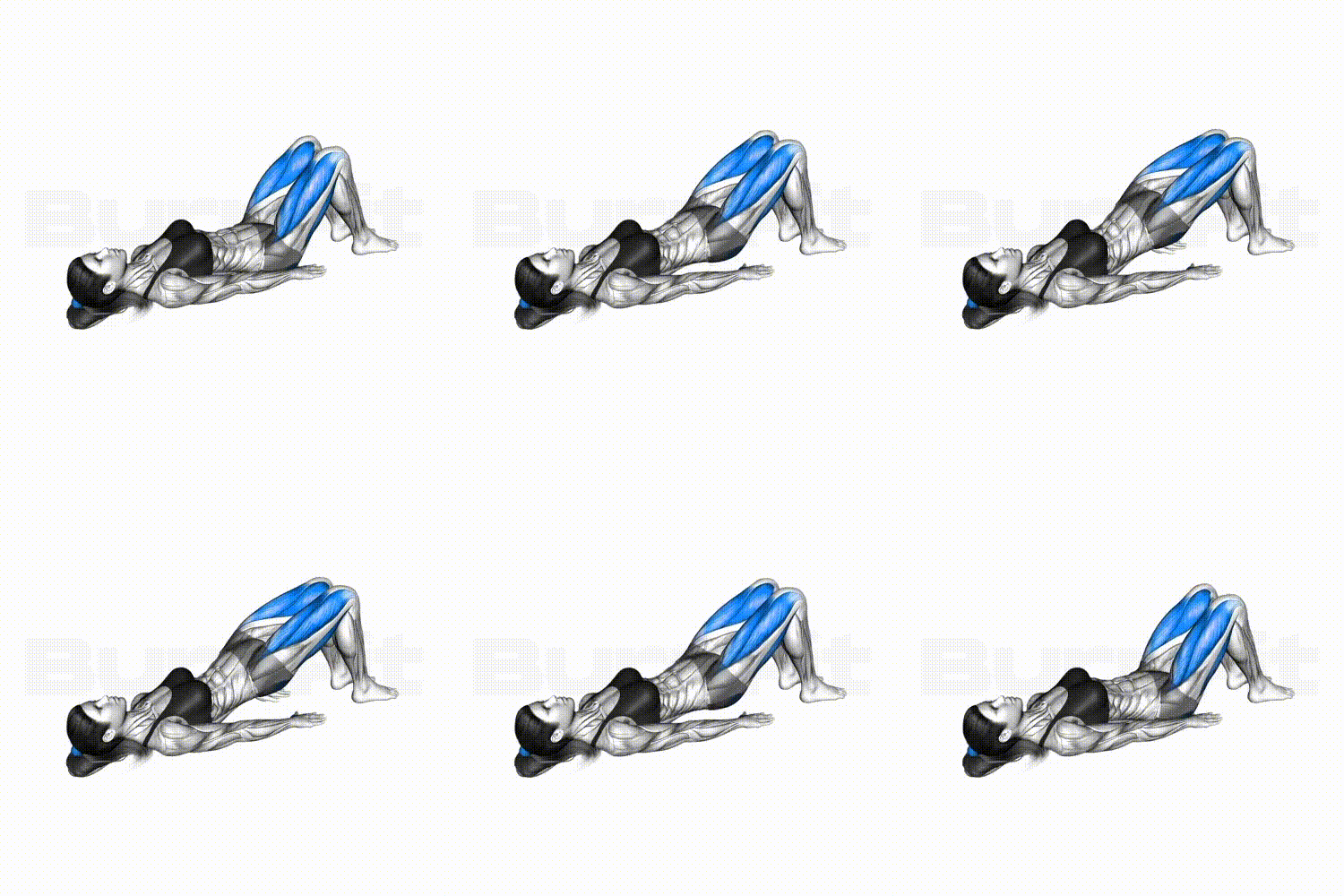
Recommended Volume: 12 reps x 2–3 sets (light intensity, without exhausting yourself)
Form TIP: The lower body contains the largest muscles in our body. Lightly engaging these muscles in the evening draws blood flow downward away from the head, easing brain tension. The key is to perform them with slow, steady breathing so you don’t get out of breath.
⚠️ Caution! Why You Should Avoid ‘Intense Exercise’ at Night
No matter how beneficial exercise is, the type and timing can completely change how easily you fall asleep. To achieve the perfect sleep routine, you must avoid overly intense workouts in the evening.
- Over-activation of the Sympathetic Nervous System
: High-intensity weight training or excessive cardio that leaves you gasping for breath and drenched in sweat drastically stimulates the ‘sympathetic nervous system’. Once activated, your body enters a state of tension, completely blocking the secretion of melatonin, the sleep hormone. - Elevated Core Body Temperature
: To fall asleep, your body temperature needs to drop. However, working out too intensely spikes your core body temperature. It takes at least 3 to 4 hours for this heat to return to normal. Therefore, late-night high-intensity workouts can actually trigger insomnia. Keep it to light-to-moderate intensity where you just barely break a sweat, and ensure you finish all exercises at least 2–3 hours before bedtime.
😴 Part 3. Good Sleep Habits to Practice with Exercise
Once you’ve spent an appropriate amount of energy, it’s time to transition your body and mind into a state of complete rest. Here are easy and light daily habits that multiply the effectiveness of your sleep routine.
- Wind Down with a Warm Cup of Tea (Chamomile Recommended)

– Drinking warm tea an hour before bed relaxes tense muscles. Avoid teas with caffeine like green or black tea, and highly opt for caffeine-free chamomile or rooibos tea. Chamomile tea contains ‘apigenin’, an antioxidant that binds to certain receptors in your brain to help decrease anxiety and initiate sleep.
- Take a Lukewarm Shower

– Taking a cold shower to cool down after an exercise session is a bad idea. Cold water shocks the nervous system, waking you up further. Instead, a lukewarm or slightly warm shower relaxes tight blood vessels, naturally lowering your core body temperature afterward to create the ideal sleep environment.
Keep Your Phone Away from the Bed

– Looking at your phone in a dark room allows blue light to suppress the secretion of melatonin. This keeps your brain alert and makes it difficult to fall asleep. It is best to dim the lights and place your phone out of arm’s reach once you lie down. Dimming the lights completely is the basics of good sleep.
🔥 Track Your Exercise, Diet, and Condition All in One App: BurnFit
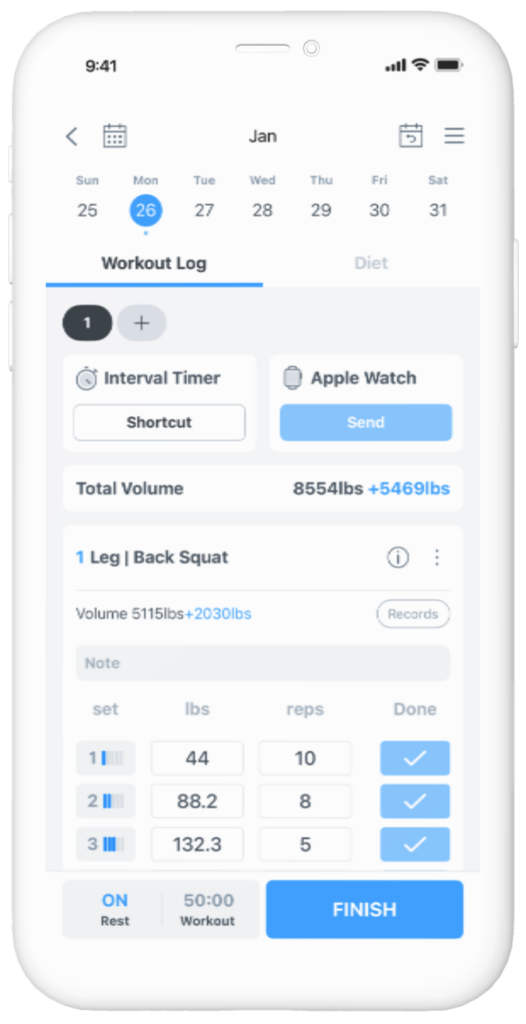
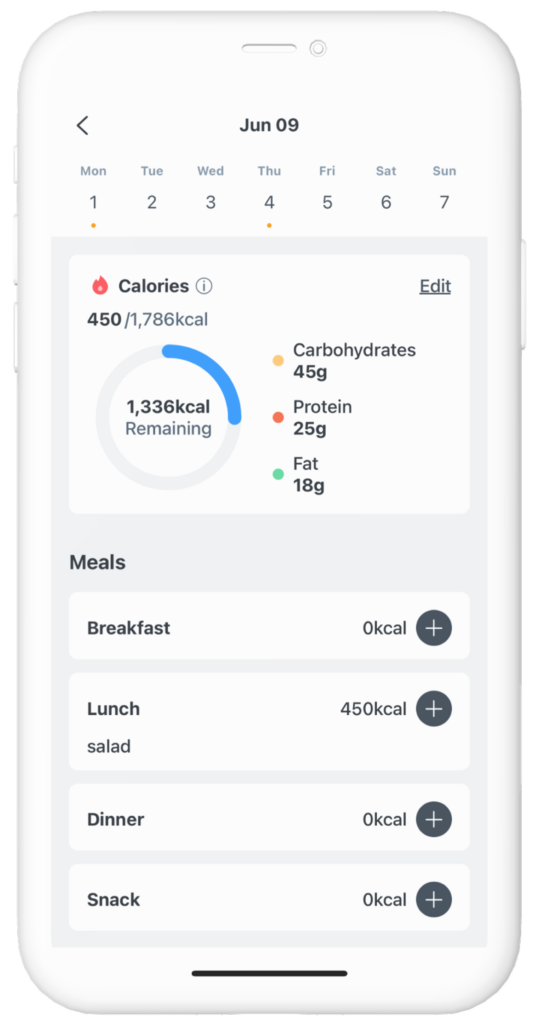
Ultimately, the most definitive way to secure a good night’s rest is to check your daily body data and build your own ‘sleep guide’. You can perfectly balance all of this using the workout logging app, ‘BurnFit’.
Record Today’s Exercise and Condition
: When logging your daily exercise in the BurnFit app, use the notes feature to briefly write down your sleep quality, condition, or fatigue level. By reviewing your condition notes alongside your workout data, you can spot trends like, “I lifted less weight on squats today because I worked out too late and couldn’t sleep last night,” helping you find your optimal routine.Block Late-Night Cravings (Diet Tracking)
: Eating a heavy snack late at night forces your digestive system to work overtime, making it hard to fall into a deep sleep. Use BurnFit’s diet tracking feature to meticulously log when and what you eat. Comparing your diet data between days you slept well and days you tossed and turned will help you easily identify the hidden culprit disrupting your sleep.


Why Is Resistance Training Essential as You Age? 5 Key Benefits for Maintaining Muscle and Strength
How to Do the Dumbbell Lateral Raise in 5 Steps: Maximize Side Delt Activation
🔥 Top 10 Gym Workouts by Age Group: BurnFit Data Analysis
Progressive Overload: 5 Ways to Build Muscle
💪 Best Exercises by Muscle Group: Top 5 Most Popular Picks from BurnFit Data
2 Set Strategies to Increase Your Deadlift: Pyramid vs. Reverse Pyramid