

🤰 Part 1. 3 Checklists for Safe Pregnancy Workouts
Before diving into the routine, here are essential safety checks for the mother and baby.
No matter how beneficial an exercise is, it can backfire if it doesn’t account for the unique physical changes of pregnancy.

- ① Never apply excessive pressure to the abdomen (intra-abdominal pressure)
- Exercises that put a heavy strain on the stomach, such as sit-ups, crunches, or heavy lifting machines, press against the uterus and must be strictly avoided.
- ② Be cautious of lying flat on your back after the second trimester
- From the second trimester (4-5 months) onwards, exercising flat on your back for prolonged periods is not recommended. It is much safer to focus on all-fours (quadruped), side-lying, or standing positions.
- ③ Avoid overstretching your joints
- During pregnancy, the body secretes a hormone called ‘Relaxin’ to loosen joints and ligaments in preparation for birth. While stretching might feel relieving, forcing your body to its maximum range of motion can easily cause ligament damage or joint instability. Keep movements gentle and controlled.
⇨ What is the ‘Relaxin’ hormone?
: Relaxin is a female hormone that plays a critical role in pregnancy and childbirth. It helps facilitate labor by softening muscles and ligaments around the uterus and pelvis, but it also loosens joints throughout the entire body, which can trigger aches and pains.
💪 Part 2. 4 Recommended Exercises for a Smooth Delivery
Once you have reviewed the safety guidelines, it is time to put them into practice. These are the most reliable bodyweight-focused movements that you can easily search for and log in the BurnFit app library. They are designed to strengthen your lower body and core for delivery without straining your abdomen.
- 1. Cat-Cow | A Spinal Stretch to Relieve Back Pain
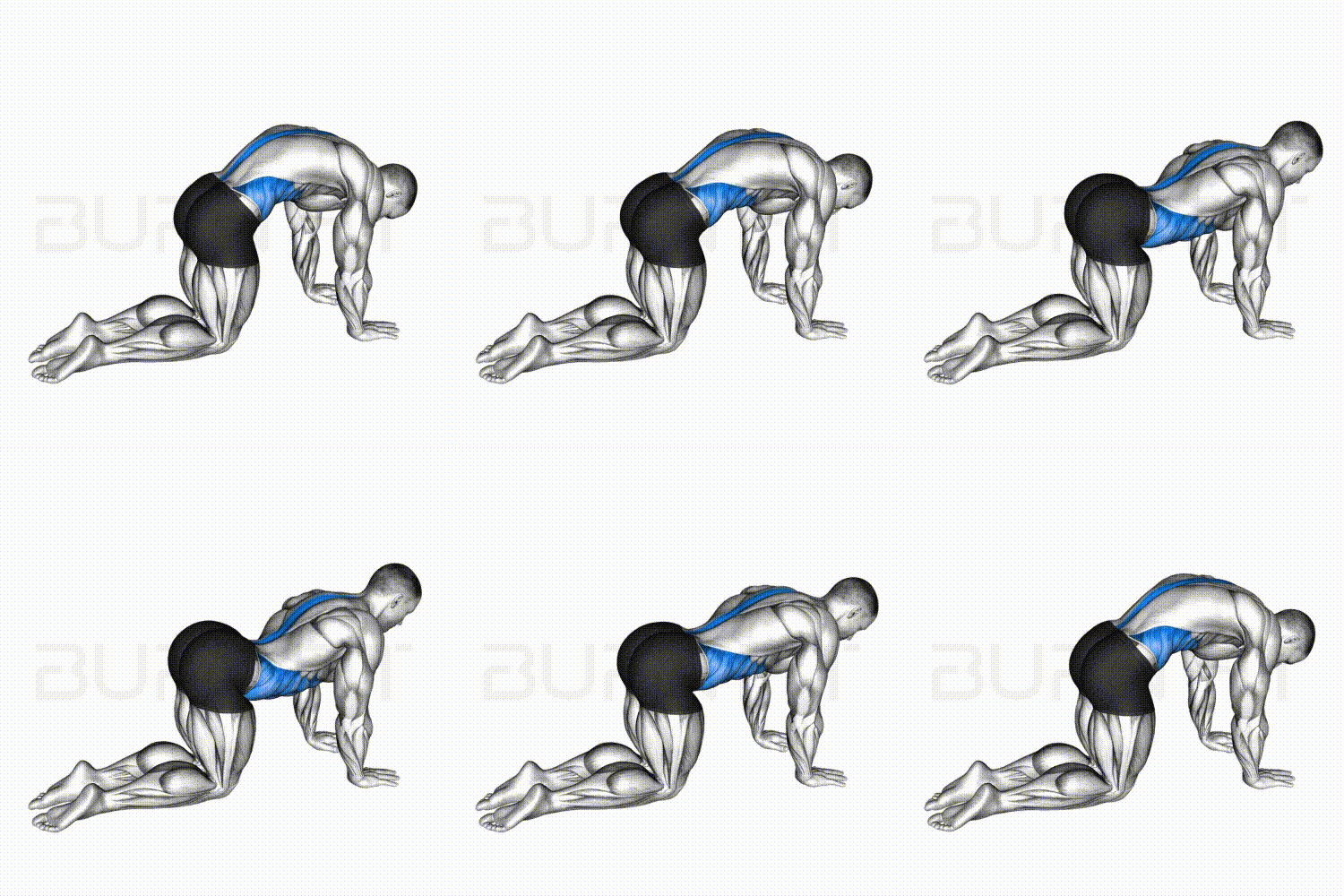
Recommended Volume: 10 reps x 3 sets
How-to: Start on your hands and knees in an all-fours position. Exhale as you round your spine toward the ceiling, then inhale as you flatten your back.
Posture TIP: Unlike a standard cat-cow stretch, pregnant women carry extra belly weight. Arching your back downward too deeply can strain the lower back. When lowering your belly, stop once your spine is flat and horizontal to remain safe.
- 2. Bird-Dog | A Full-Body Core Exercise Without Abdominal Pressure
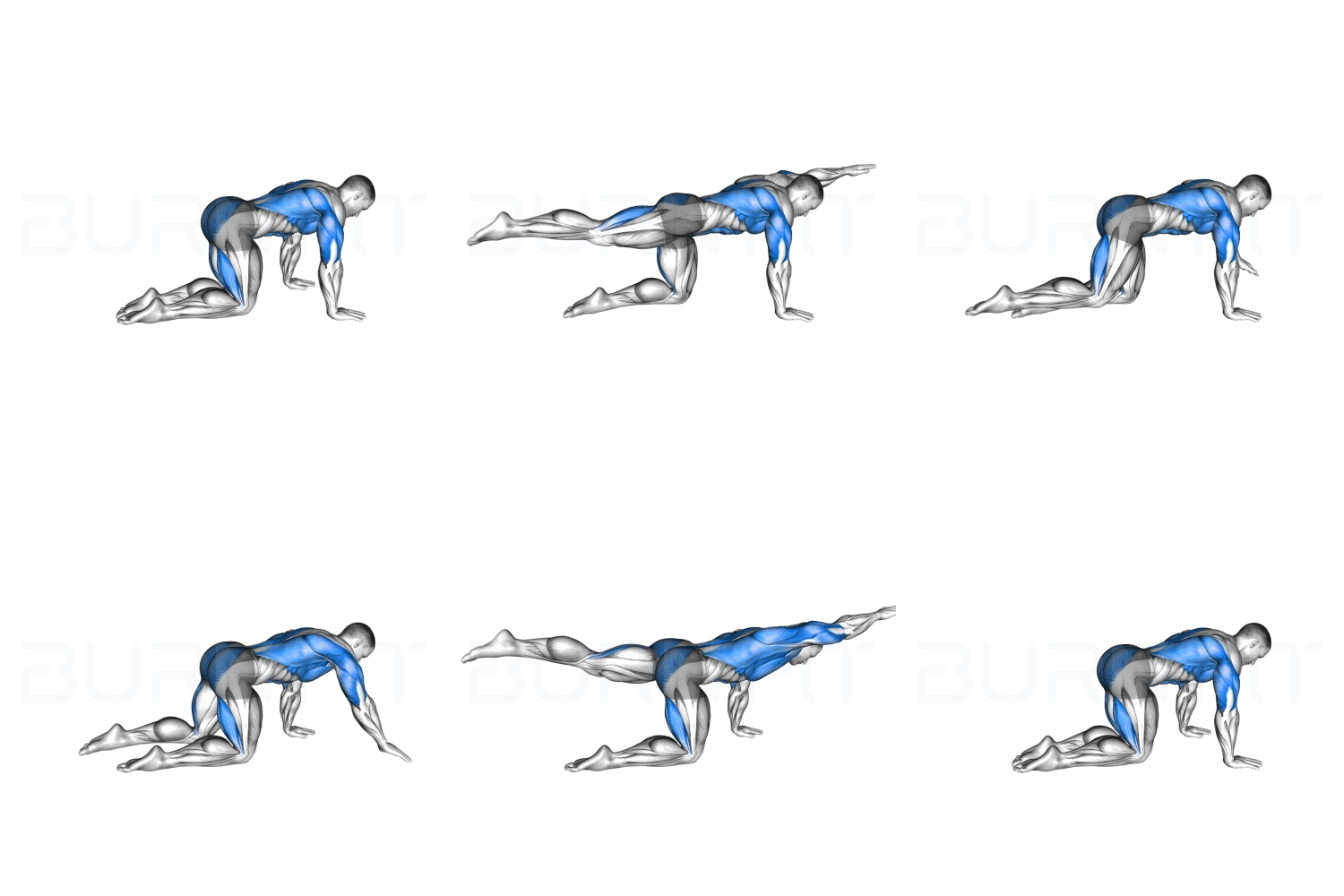
- Recommended Volume: 10 alternating reps x 3 sets
- How-to: Maintain a neutral spine on all fours without letting your lower back sag or round. Slowly extend one arm and the opposite leg simultaneously until they are parallel to the floor, holding for 2 seconds.
- Posture TIP: Lifting your leg too high will arch your lower back and force too much pressure onto your belly. Focus on reaching straight back, keeping your leg aligned with your hip height to avoid straining your spine or fetus.
- 3. Bodyweight Squat | Strengthening the Pelvis and Lower Body for Labor
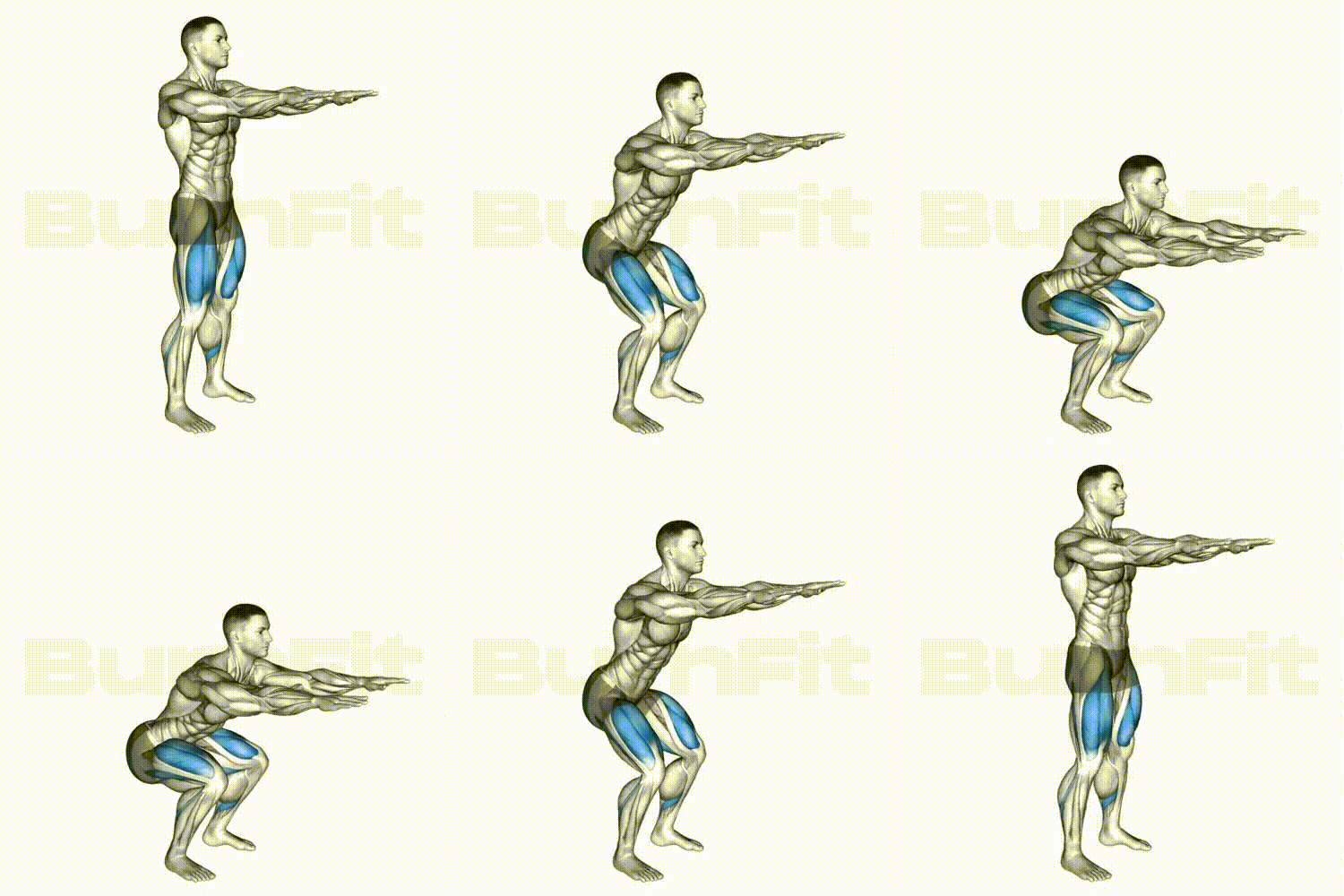
- Recommended Volume: 12 reps x 3 sets
- How-to: Stand with feet slightly wider than shoulder-width apart, toes pointed outward. Slowly lower down as if sitting in a chair, then push through your heels to return to standing.
- Posture TIP: Squats are incredible for strengthening the pelvic floor muscles and building lower body stamina needed for delivery. However, to prevent losing balance and falling, it is highly recommended to try “Wall Squats” by leaning against a wall or holding onto the back of a sturdy chair. Only lower yourself to a comfortable depth where your belly does not press against your thighs.
- 4. Glute Bridge | Strengthening the Hips and Pelvic Muscles
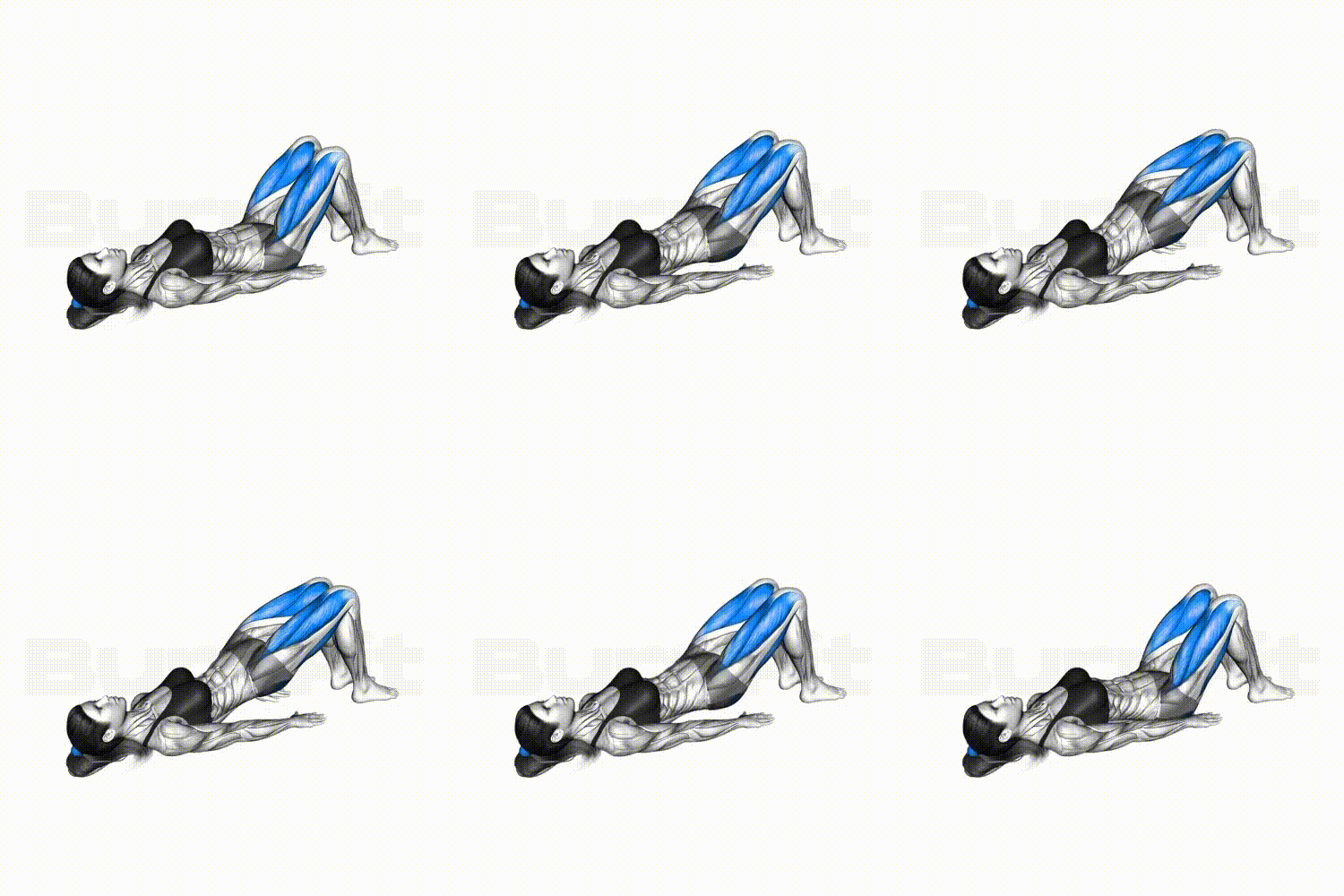
- Recommended Volume: 12 reps x 3 sets
- How-to: Lie on a mat with knees bent and feet flat on the floor, hip-width apart. Engage your glutes to smoothly lift your hips toward the ceiling, then slowly lower them back down.
- Posture TIP: Since lying flat on your back can feel burdensome after the second trimester, focus on smooth, rhythmic movements rather than lifting your hips excessively high or holding the position for too long. If you experience dizziness or shortness of breath, stop immediately.
💡 Quick Tip for BurnFit App Users!
When customizing your routine in the BurnFit app, make sure to temporarily skip standard abdominal exercises like sit-ups or leg raises that forcefully compress the stomach out of old habit! Putting intense strain on your belly during pregnancy can overstretch the abdominal muscles, making it take much longer for your body to bounce back after giving birth. Instead, log stretches like the Cat-Cow or Bird-Dog to focus on safely supporting your pelvis and lower back.
🔥 Part 3. Setting and Logging Your Routine on BurnFit
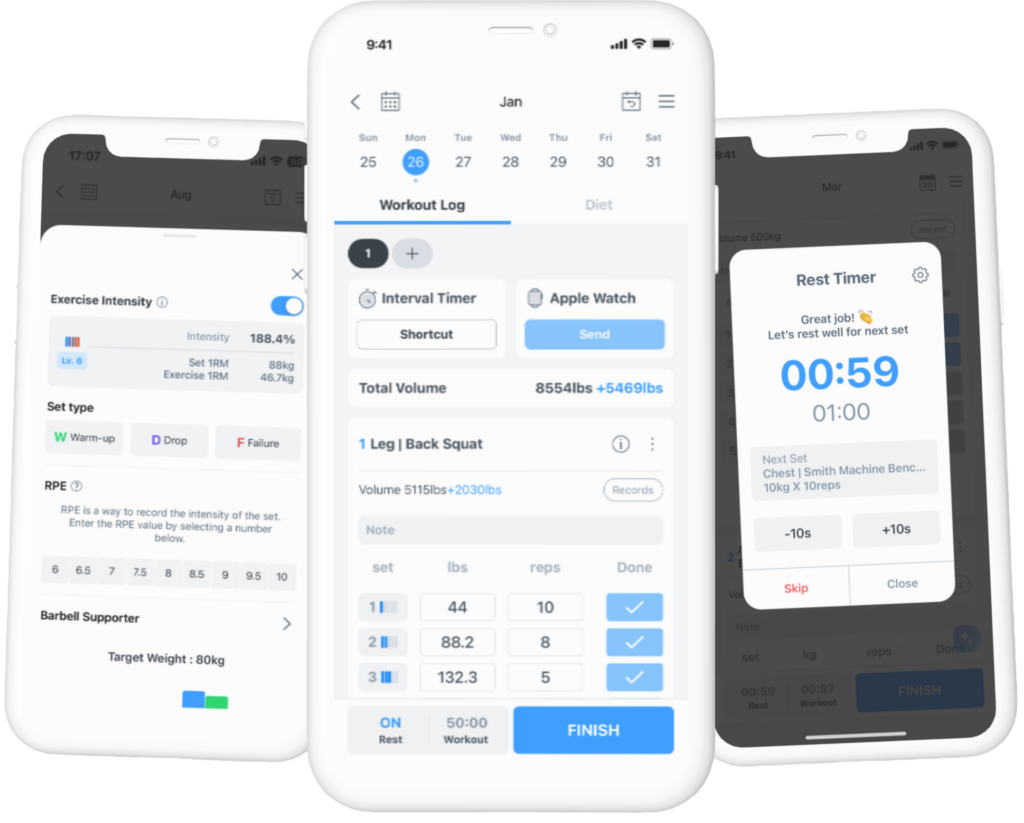
The defining factor of pregnancy workout sessions is consistency and frequency—listening closely to your body without overdoing it. By tracking with BurnFit, you can safely manage your daily condition and stick to a healthy routine.
- Save Your Personalized Safe Routine: On days when you feel great, don’t waste energy deciding what to do on your mat. Pre-save a “Safe Bodyweight Pregnancy Routine” in the BurnFit app so you can start exercising with just one click.
- Adjust Sets Based on Daily Condition: During pregnancy, an exercise that felt easy yesterday might feel exhausting today. Since these are bodyweight movements aimed at consistency rather than lifting heavier weights, listen to your body and flexibly reduce the repetitions or sets in your logs when needed.
- Achieve a Sense of Accomplishment with Visualized Data: Seeing your calendar steadily fill up with light, healthy sessions provides a powerful sense of accomplishment, proving that you are taking healthy control of your body. This accumulated data will serve as a strong physical foundation to help you navigate childbirth smoothly and accelerate your postpartum recovery.


Seated Cable Row: 3 Tips for Better Form
Strength Training for Beginners: 5 Exercises, Benefits & Routine
Hevy vs BurnFit: Which Workout Tracking App Fits the Way You Train?
7 Key Lower Body Strength Exercises for Every Muscle Group
Glute Exercises: 3 Key Points for Building Toned Glutes
Thigh Muscle Exercises: 3 Key Points for Stronger Legs