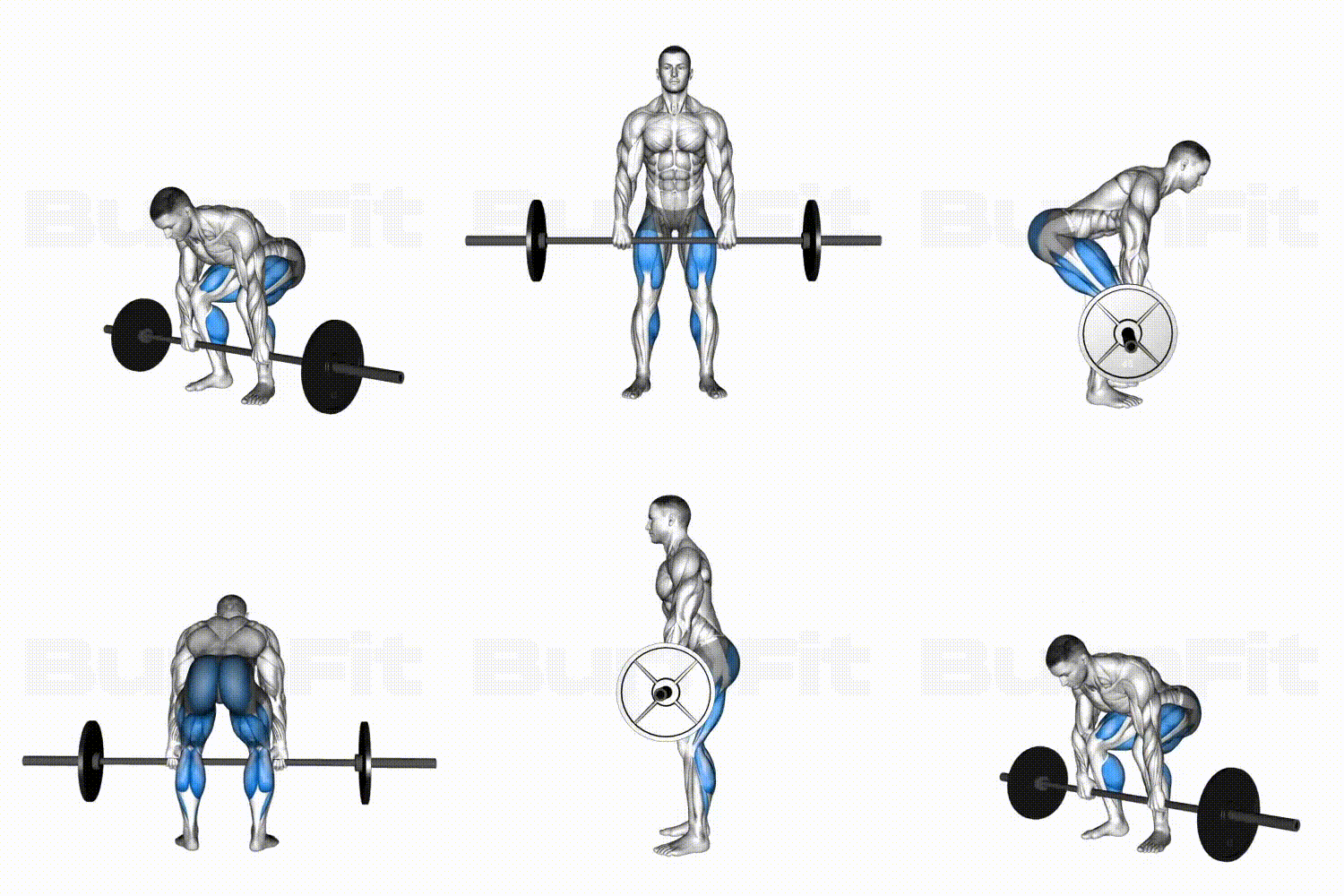

1. The Safe and Gradual Approach: ‘Pyramid Set’🔺
The Pyramid Set is a classic deadlift loading strategy that starts with lighter weights and increases the load while decreasing reps across consecutive sets.
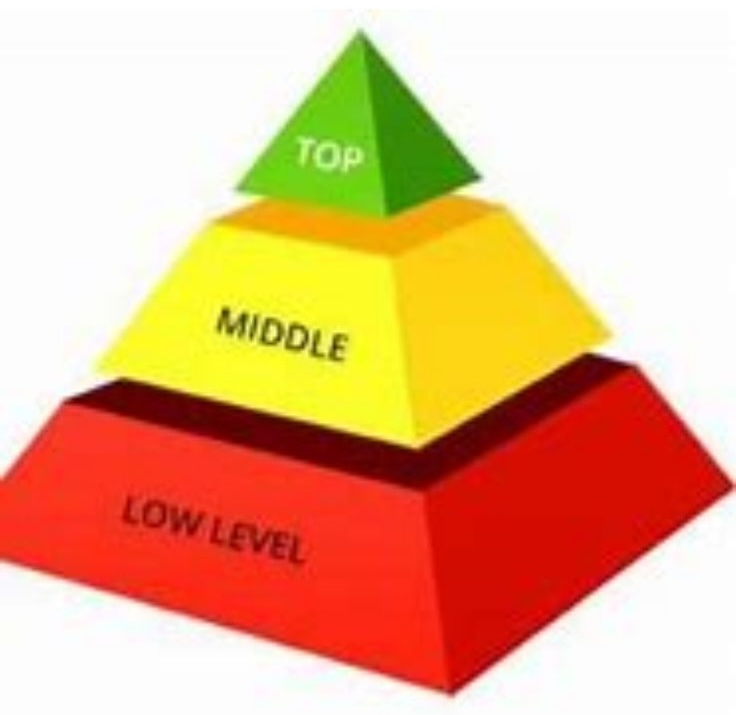
Example Set Structure:
Set 1: 60 kg x 12 reps (Warm-up & activation)
Set 2: 80 kg x 10 reps
Set 3: 100 kg x 8 reps
Set 4: 120 kg x 5 reps (Heaviest top set)
👍 Pros of Pyramid Sets
Natural Warm-up Effect: Progressing gradually through weights thoroughly preps your joints and muscles, significantly reducing injury risk.
High Training Volume: Accumulates substantial rep volume before reaching the heaviest weight, making it ideal for building overall workload.
👎 Cons of Pyramid Sets
- Fatigue Before Top Set: Energy expenditure during earlier sets can drain peak capacity, preventing 100% effort on your heaviest main set.
💡Recommended For: Beginner to intermediate lifters refining their deadlift technique, or anyone looking to safely accumulate total volume without injury.
2. Starting Heavy at Peak Energy: ‘Reverse Pyramid Set’ 🔻
The Reverse Pyramid Set involves performing a thorough warm-up, executing your heaviest top set first when energy is at its peak, and subsequently reducing the weight while increasing reps for remaining sets.

Example Set Structure:
Warm-up sets: (Thorough mobility and ramp-up sets)
Set 1: 120 kg x 5 reps (Max effort top set)
Set 2: 108 kg x 6–7 reps (-10% weight reduction)
Set 3: 97 kg x 8–10 reps (-10% weight reduction)
👍 Pros of Reverse Pyramid Sets
Maximized Strength Focus: Handling your heaviest load while fresh accelerates raw strength gains and helps increase overall lifting capacity.
Efficient Fatigue Management: Completing the hardest set first provides high-intensity stimulus without leaving you feeling excessively burned out.
👎 Cons of Reverse Pyramid Sets
- Strict Warm-up Required: Lifting heavy immediately without proper preparation places significant stress on the lower back and joints.
💡Recommended For: Lifters aiming to increase their deadlift working weight, or those who want to execute high-intensity sets before fatigue sets in.
🔍 Note: Why ‘5×5’ Straight Sets Are Rarely Recommended for Deadlifts
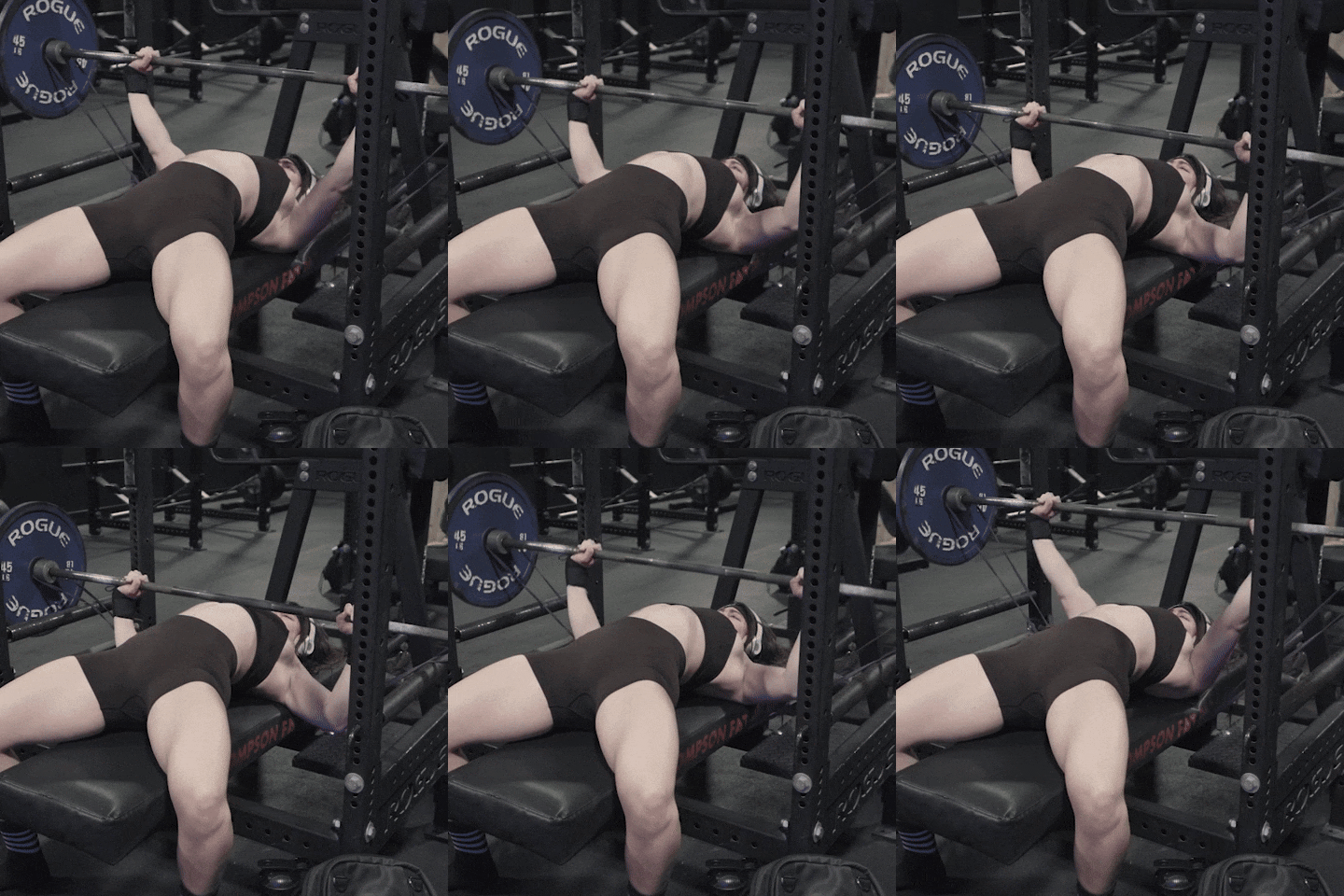
While 5×5 straight sets (using the same weight for 5 reps across 5 sets) are popular for squats and bench presses, applying this structure to the deadlift is generally discouraged.
The deadlift generates the highest central nervous system fatigue and spinal axial loading among all compound exercises. Forcing multiple sets at a fixed heavy load rapidly drains the nervous system, compromising form and significantly elevating lower back injury risks.
To manage fatigue safely while making strength progress, adopting dynamic loading patterns like a pyramid set or reverse pyramid set is far more practical.
🔥 How to Choose the Best Deadlift Set Strategy for You
Looking to refine deadlift form and accumulate total volume safely? ➔ Pyramid Set
Looking to lift your heaviest weight fresh and build max strength? ➔ Reverse Pyramid Set
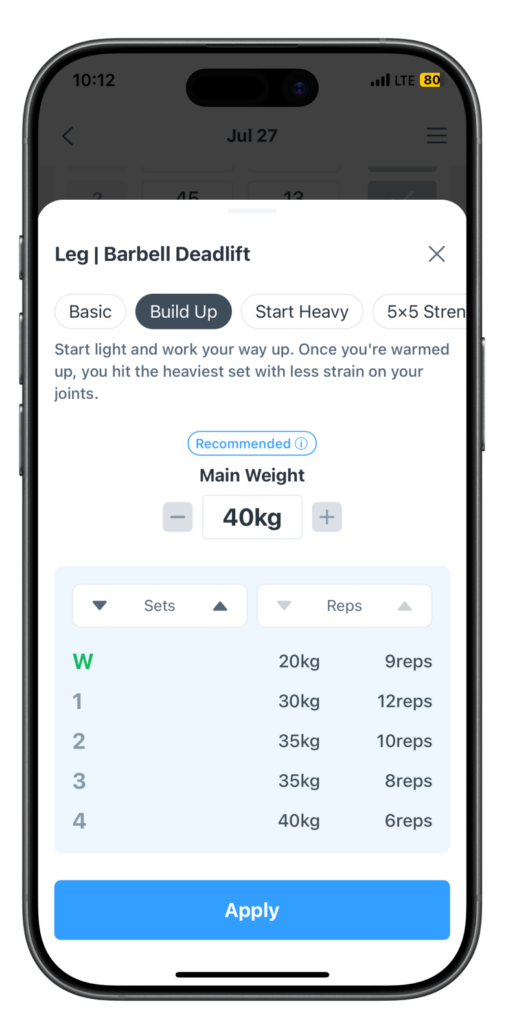
If calculating set weights and managing workout logs feels tedious, using the BurnFit app can simplify your training.
With BurnFit PRO‘s ‘Set Assistant’ feature, simply select your preferred set structure—pyramid set or reverse pyramid set—and it automatically calculates and arranges your target weights and reps. This allows you to focus entirely on your deadlift performance without doing mental math between sets.
Apply the strategy that fits your goal today and track your next deadlift routine systematically with BurnFit.


Seated Cable Row: 3 Tips for Better Form
Strength Training for Beginners: 5 Exercises, Benefits & Routine
Hevy vs BurnFit: Which Workout Tracking App Fits the Way You Train?
7 Key Lower Body Strength Exercises for Every Muscle Group
Glute Exercises: 3 Key Points for Building Toned Glutes
Thigh Muscle Exercises: 3 Key Points for Stronger Legs