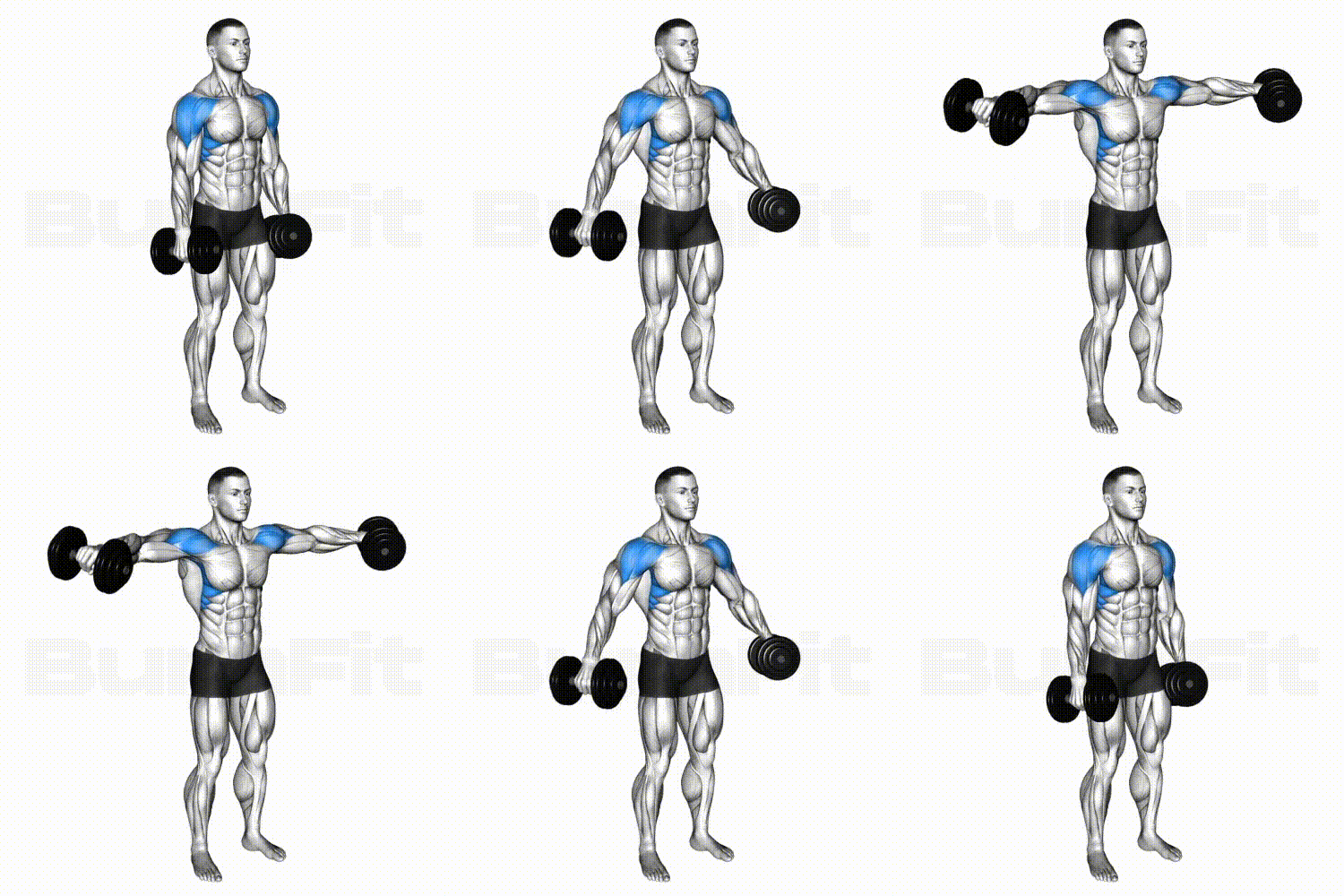

💡 5 Steps to Proper Form: Maximizing Side Delt Activation
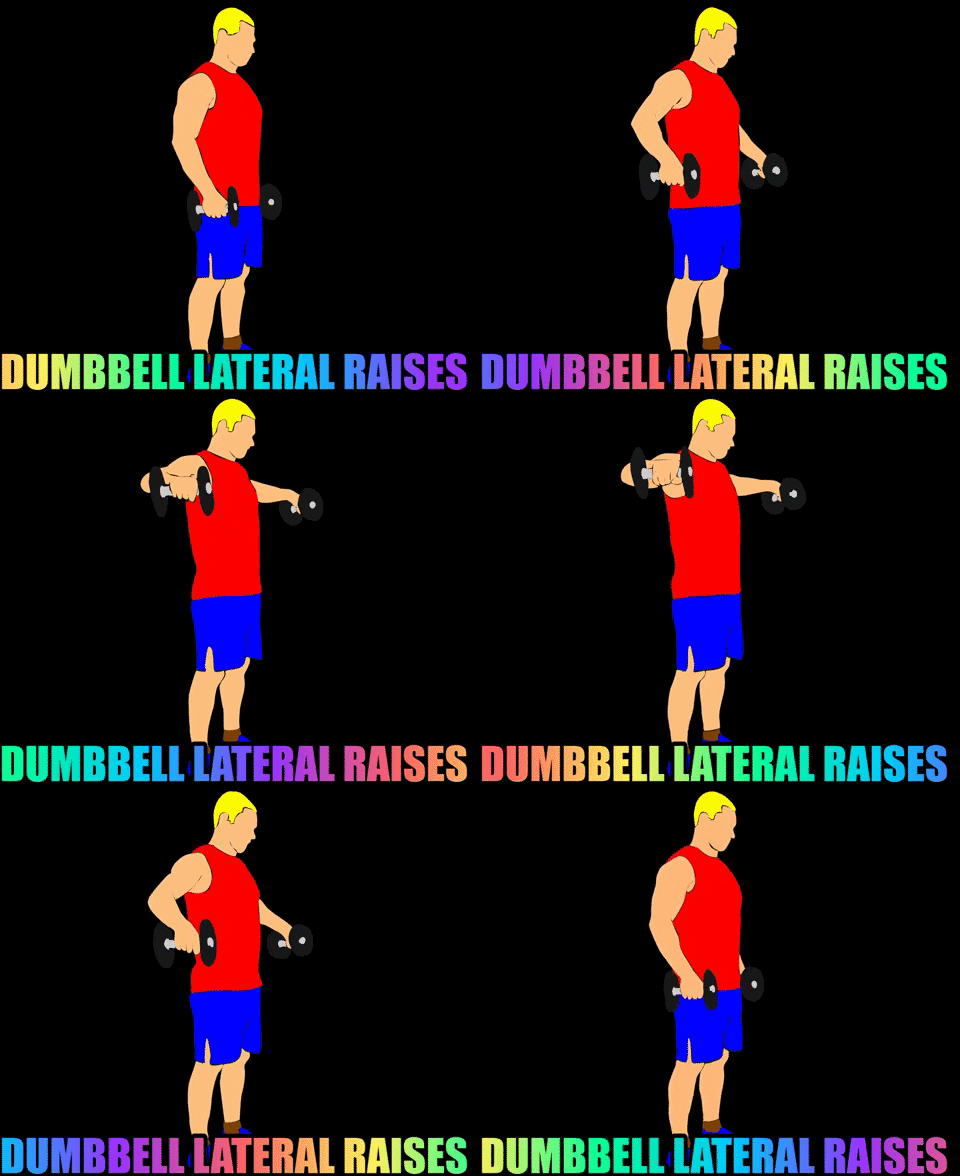
Step 1: Set Your Stance and Lean Slightly Forward
- Stand with your feet about shoulder-width apart and engage your core.
(💡 Core Tip: If core engagement feels tricky, imagine bracing your stomach right before someone punches you in the gut.) - Lean your upper body forward slightly from a standing upright position. A slight forward lean may help you feel the movement more directly in the side delts, but focus on maintaining control rather than forcing a specific torso angle.
Step 2: Elbow Angle & Wrist Position
Keep a slight bend in your elbows throughout the movement rather than locking your arms out completely.
Keep your wrists in a neutral position without breaking or curling them, and avoid squeezing the dumbbells too tightly.
Step 3: Raise Slightly Forward in the Scapular Plane
Raise the dumbbells slightly forward in the scapular plane rather than directly out to your sides. This natural path can help you maintain a comfortable shoulder position throughout the movement.
Think less about “lifting the dumbbells” and more about “pushing your elbows outward toward the side walls.”
Step 4: Controlled Height
Raise the dumbbells to around shoulder height, or to a comfortable range of motion where you can maintain control without shrugging.
Keep your elbows slightly higher than your hands as you raise the dumbbells, without shrugging your shoulders.
Step 5: Controlled Eccentric Lowering
Control the weight on the way down instead of letting gravity pull it down, keeping the movement controlled and maintaining tension in the side delts.
Stop just before the dumbbells touch your thighs, then begin the next rep without fully relaxing your shoulders.
⚠️ 3 Common Mistakes to Avoid
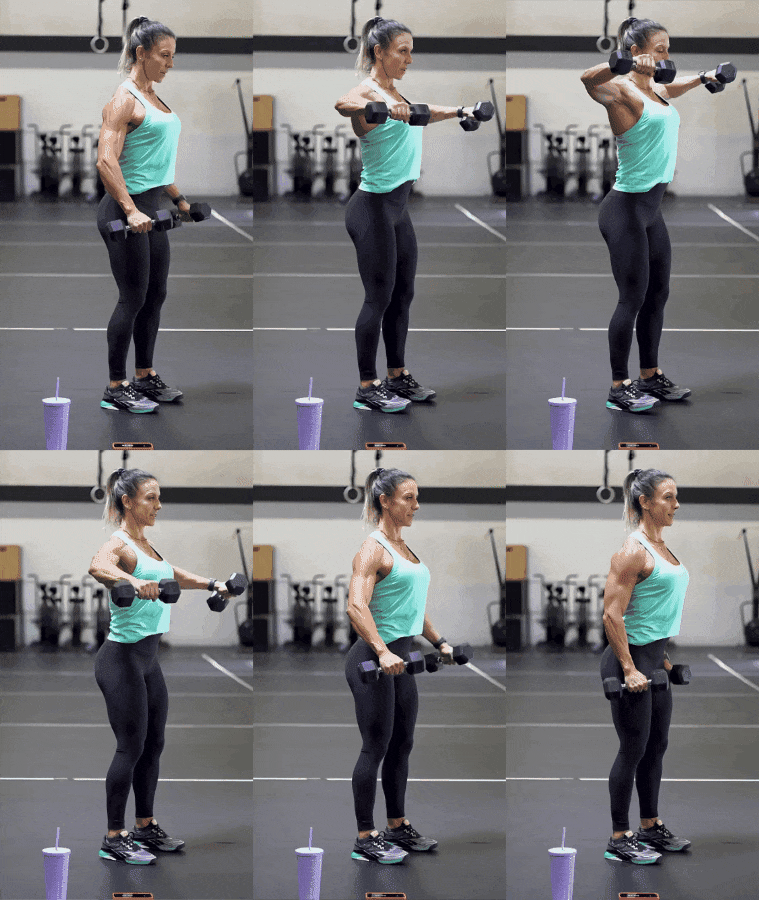
1. Heavy Weights and Excessive Momentum
Swinging your torso back and forth to lift heavier weights reduces the isolation on your side delts and makes it harder to control the movement. With an isolation exercise like the lateral raise, controlled movement is more important than simply using heavier weights.
2. Over-Engaging the Traps (Shrugging)
Shrugging your shoulder blades upwards during the raise causes your upper traps to steal the load from your side delts. If you feel post-workout soreness in your neck and traps rather than your shoulders, check whether your shoulders are shrugging upward during the movement.
3. Raising Dumbbells Directly Out to the Sides
Raising the dumbbells directly out to the sides may feel uncomfortable for some people. Try a slightly forward path in the scapular plane and use a range of motion that feels comfortable and controlled.
🔥 Maximum Tension, Smarter Tracking: Log Your Workouts with BurnFit
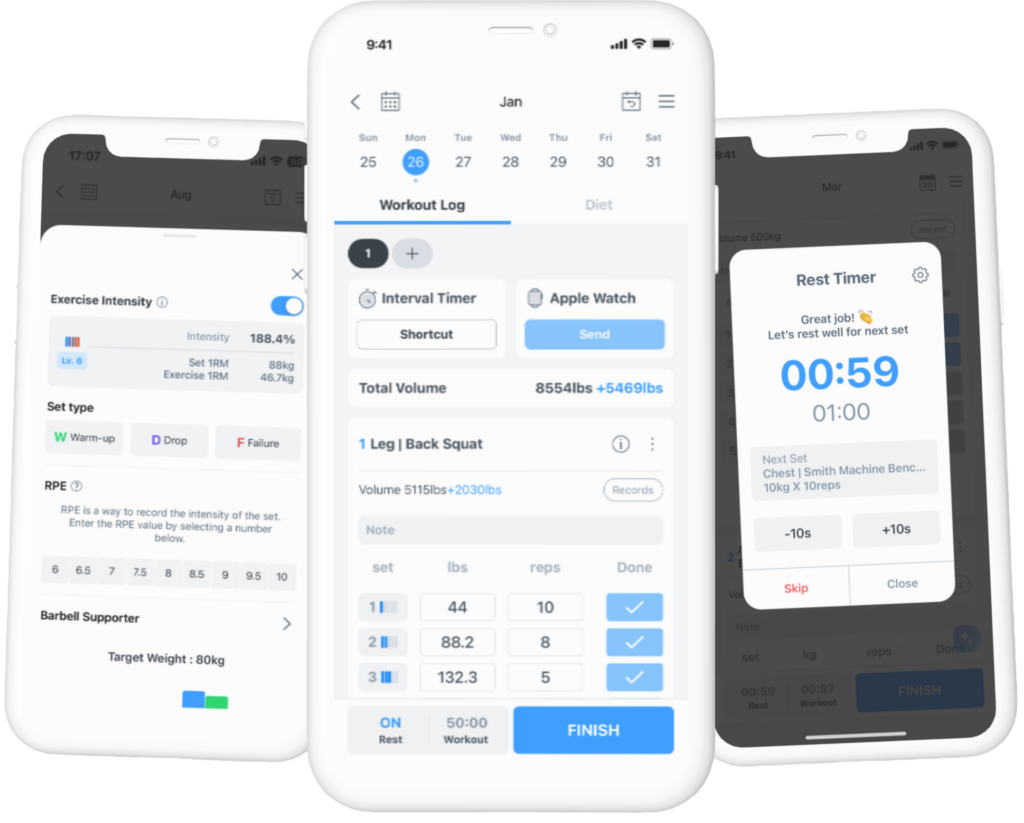
To get the most out of the dumbbell lateral raise, selecting the right working weight, hitting target rep ranges, and controlling rest intervals strictly are essential. However, deciding which weight to use for each set or tracking rest periods manually can be cumbersome.
Using the workout logging app BurnFit makes managing your shoulder routine seamless and efficient.
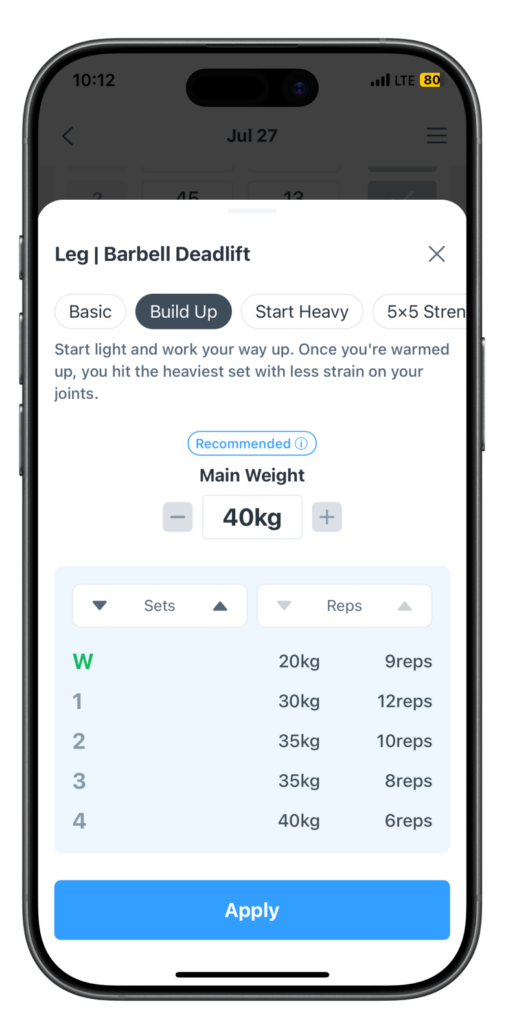
- Smart ‘Set Assistant’ Feature
: BurnFit’s Set Assistant analyzes your past performance and recommends a suitable weight and rep range for your next set. When you are unsure which dumbbell weight to pick, it guides you to an effective load for side delt training. - Flexible Rest Timers & RPE Tracking
: Long or inconsistent rest periods can make it harder to keep your workout consistent. BurnFit lets you set custom rest timers to manage your workout more efficiently. Additionally, you can log your perceived exertion (RPE) for every set to ensure your working weight provides an effective stimulus without compromising form. - Customized Shoulder Routine Setup
: Build your tailored “Side Delt Routine” featuring the 5-step dumbbell lateral raise guide, and track your weekly volume progression with intuitive visual graphs.
Apply these form tips in your next workout, track your progress with BurnFit, and build broader shoulders.


Strength Training for Beginners: 5 Exercises, Benefits & Routine
Hevy vs BurnFit: Which Workout Tracking App Fits the Way You Train?
7 Key Lower Body Strength Exercises for Every Muscle Group
Glute Exercises: 3 Key Points for Building Toned Glutes
Thigh Muscle Exercises: 3 Key Points for Stronger Legs
Why Is Resistance Training Essential as You Age? 5 Key Benefits for Maintaining Muscle and Strength