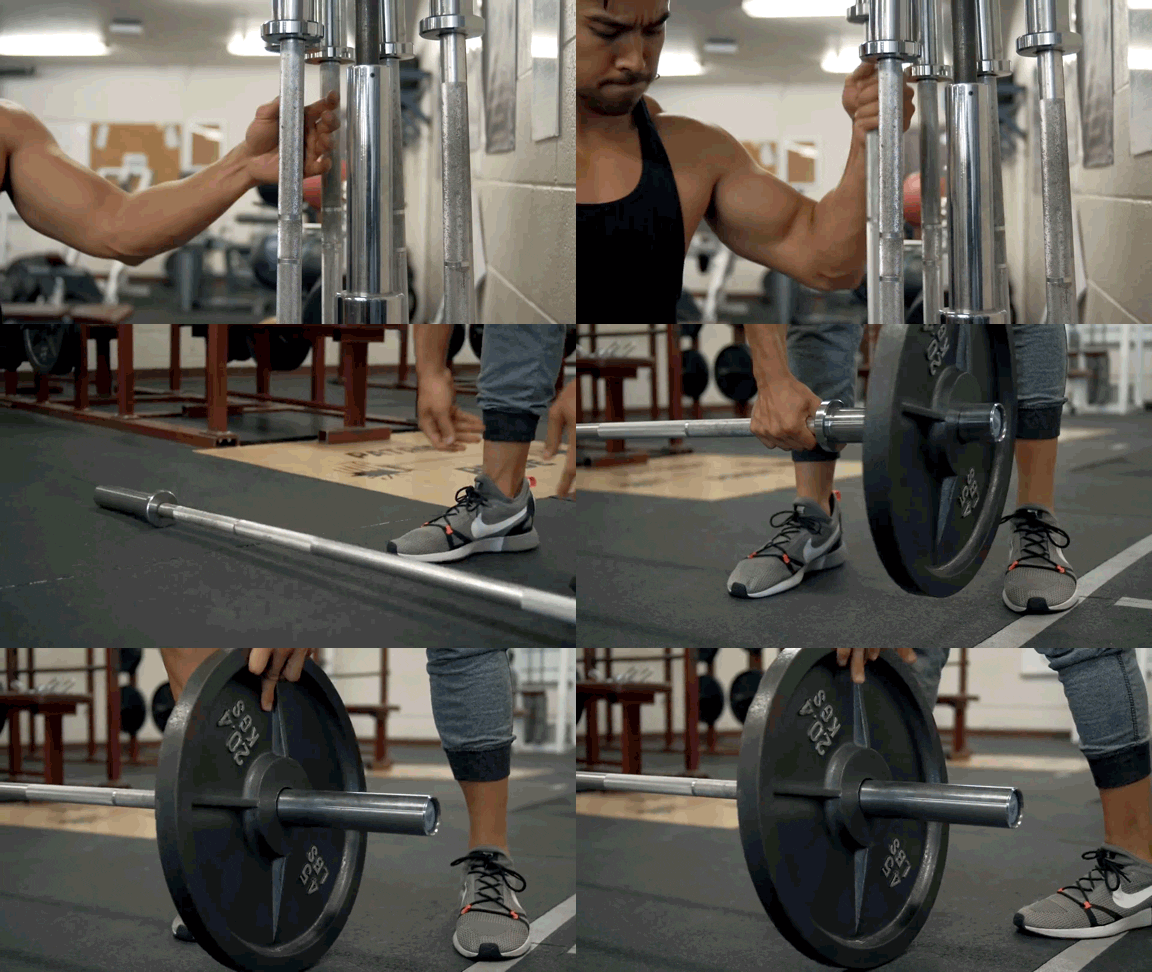

What Is Progressive Overload?
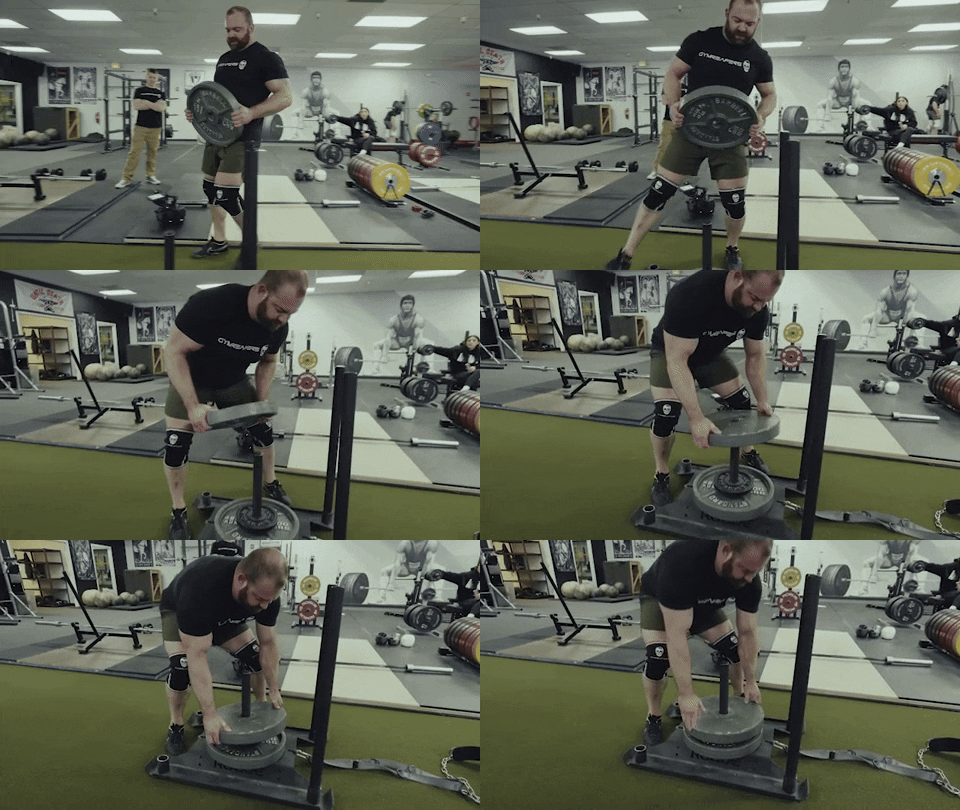
Progressive overload is a fundamental principle of strength training that involves gradually increasing the demands placed on your body during exercise to promote continuous gains in muscle size and strength.
The key is to increase the challenge gradually. Instead of making drastic, risky jumps in weight, you incrementally adjust your training load, volume, or exercise difficulty based on your current capacity. Over time, this consistent challenge prompts your muscles to adapt and grow stronger.
5 Ways to Increase Workout Intensity
Progressive overload isn’t just about lifting heavier weights.
You can boost training volume and stimulus in five practical ways:

- 1. Increase the Weight (Weight)
: The most common approach. Once your current weight feels manageable, add a small increment—around 2.5 to 5 lbs (1–2.5 kg). If your form breaks down or you miss target reps, drop back down until you become comfortable with the weight. - 2. Increase the Repetitions (Reps)
: Keep the weight constant and do more reps per set. Increasing your reps from 8 to 10–12 extends time under tension and provides additional stimulus for muscle growth. - 3. Increase the Number of Sets (Volume)
: Adding extra sets expands your total training volume. Moving from 3 sets to 4 sets per exercise significantly increases the overall workload on target muscle groups. - 4. Decrease Rest Time (Density)
: Shortening rest periods between sets forces your muscles to work with less recovery time, raising overall workout density and intensity. Just make sure to maintain proper form throughout each set. - 5. Increase Exercise Difficulty (Difficulty)
: Switch to more demanding exercise variations that require greater control. Try moving from machine exercises to free weights, or upgrading standard push-ups to decline push-ups.
⚠️ Important Precautions for Safe Overload
The key to progressive overload is making gradual, manageable increases over time. Moving too fast can lead to injury and burnout.

- Avoid Increasing Weight Too Quickly
- Adding weight too quickly increases your risk of injury. Stick to small, manageable increases (1–2.5 kg or 2.5–5 lbs).
- Adding weight too quickly increases your risk of injury. Stick to small, manageable increases (1–2.5 kg or 2.5–5 lbs).
- Prioritize Proper Form
- Proper form should always come before increasing weight. If your form degrades, stay at your current weight until you can perform every rep with proper form.
- Proper form should always come before increasing weight. If your form degrades, stay at your current weight until you can perform every rep with proper form.
- Prioritize Recovery and Rest
- Muscles don’t grow during workouts—they grow during recovery. Overloading without adequate rest leads to accumulated fatigue and reduced workout performance.
🔥 How Workout Tracking Drives Progressive Overload
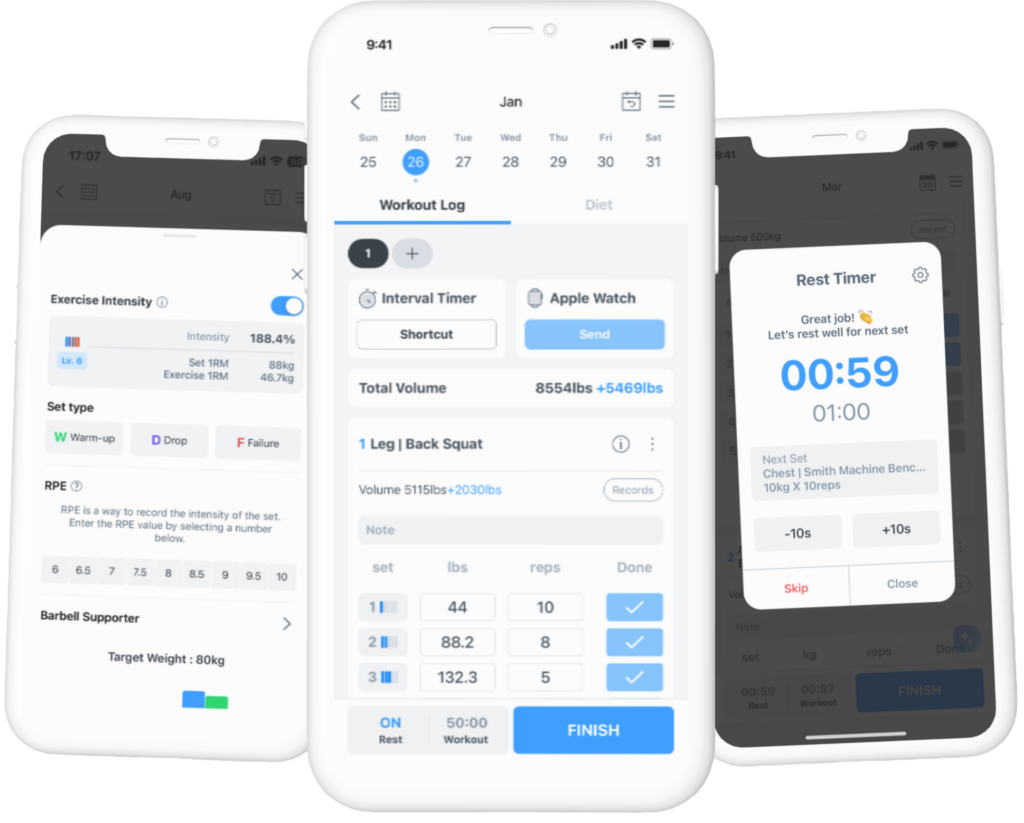
To maintain progressive overload consistently, tracking your training data is essential.
Knowing the exact weights, reps, and sets from your previous session gives you a concrete target for your next workout. Without a clear workout log, it’s hard to increase intensity systematically or measure your real muscle strength gains.
BurnFit makes progressive overload easier by helping you track your weights, reps, and sets in one place. Compare previous workouts, monitor your progress, and gradually increase your training intensity with confidence.
Building muscle takes time, but consistent training paired with accurate tracking creates noticeable results. Keep tracking your workouts, apply progressive overload consistently, and see consistent improvements in strength and muscle growth.


Strength Training for Beginners: 5 Exercises, Benefits & Routine
Hevy vs BurnFit: Which Workout Tracking App Fits the Way You Train?
7 Key Lower Body Strength Exercises for Every Muscle Group
Glute Exercises: 3 Key Points for Building Toned Glutes
Thigh Muscle Exercises: 3 Key Points for Stronger Legs
Why Is Resistance Training Essential as You Age? 5 Key Benefits for Maintaining Muscle and Strength