Summer arrives before you know it. And with it comes those days when even walking to the gym feels like a workout.
You know you should exercise, but motivation is low. Maybe you’re tired after work. Maybe it’s too hot outside. Maybe you’re simply not in the mood.
Instead of skipping your workout altogether, try this simple 20-minute bodyweight workout routine that you can do anywhere at home—no gym membership, equipment, or complicated setup required.
Whether your goal is fat loss, building consistency, or improving overall fitness, this beginner-friendly home workout can help you stay on track.

A Beginner-Friendly 20-Minute Bodyweight Workout Routine
Before You Start: Tips for Staying Consistent with Bodyweight Training
Consistency matters more than intensity.
Before starting this bodyweight workout routine, keep these simple guidelines in mind:
- Don’t try to do too much too soon.
- Aim to exercise at least 3 times per week.
- Track your workouts and progress.
- Stick to the same routine for at least 4 weeks.
- Gradually increase repetitions, sets, or workout intensity.
Small improvements add up over time.

20-Minute Full Body Bodyweight Workout Routine
This full body workout targets your legs, upper body, core, and cardiovascular fitness in a single session.
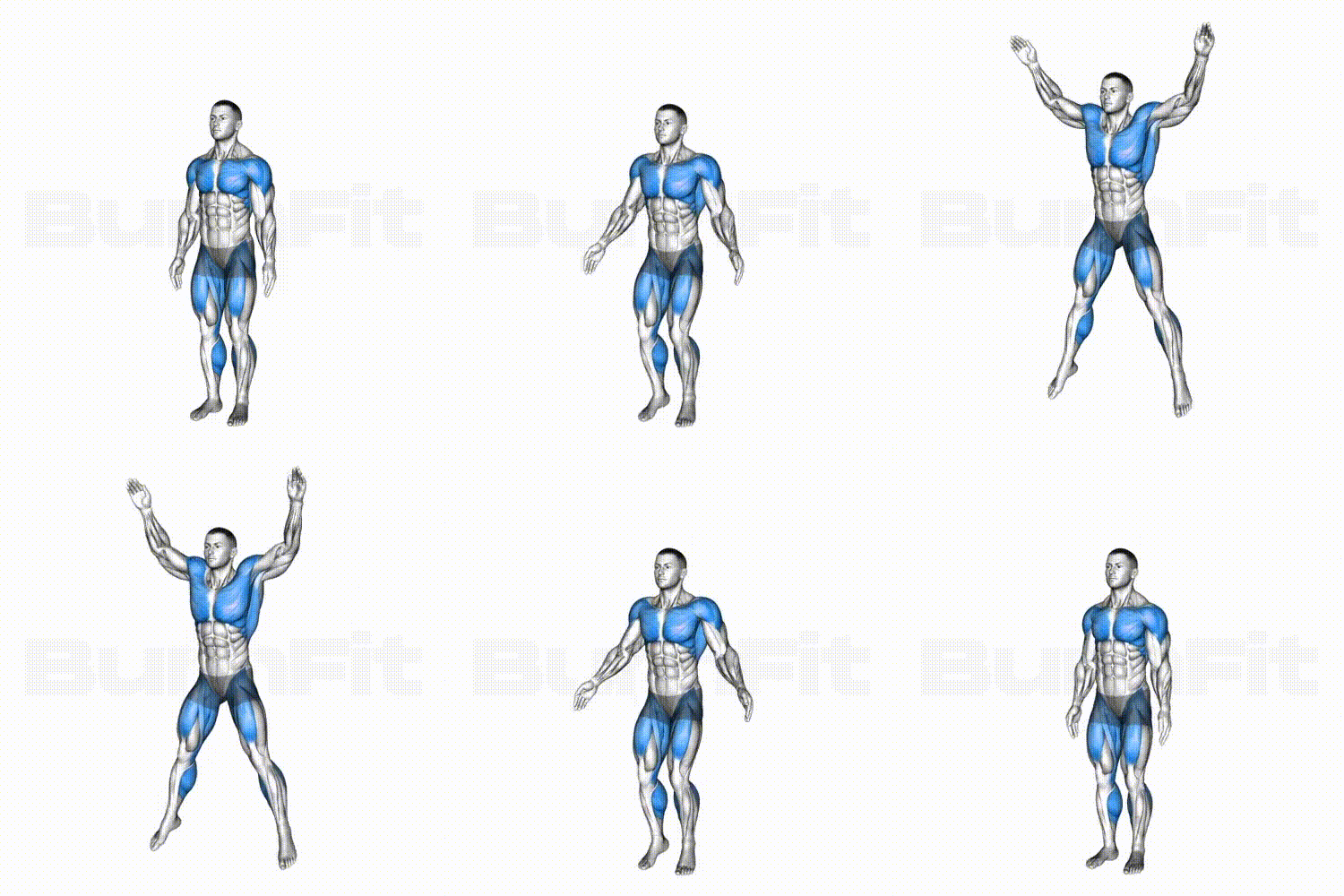
Step 1: Warm-Up (Get Your Body Moving)
Exercise: Jumping Jacks – 1 minute
Tip: Increase your heart rate gradually and loosen up your joints before starting the main workout.
Step 2: Lower Body Strength
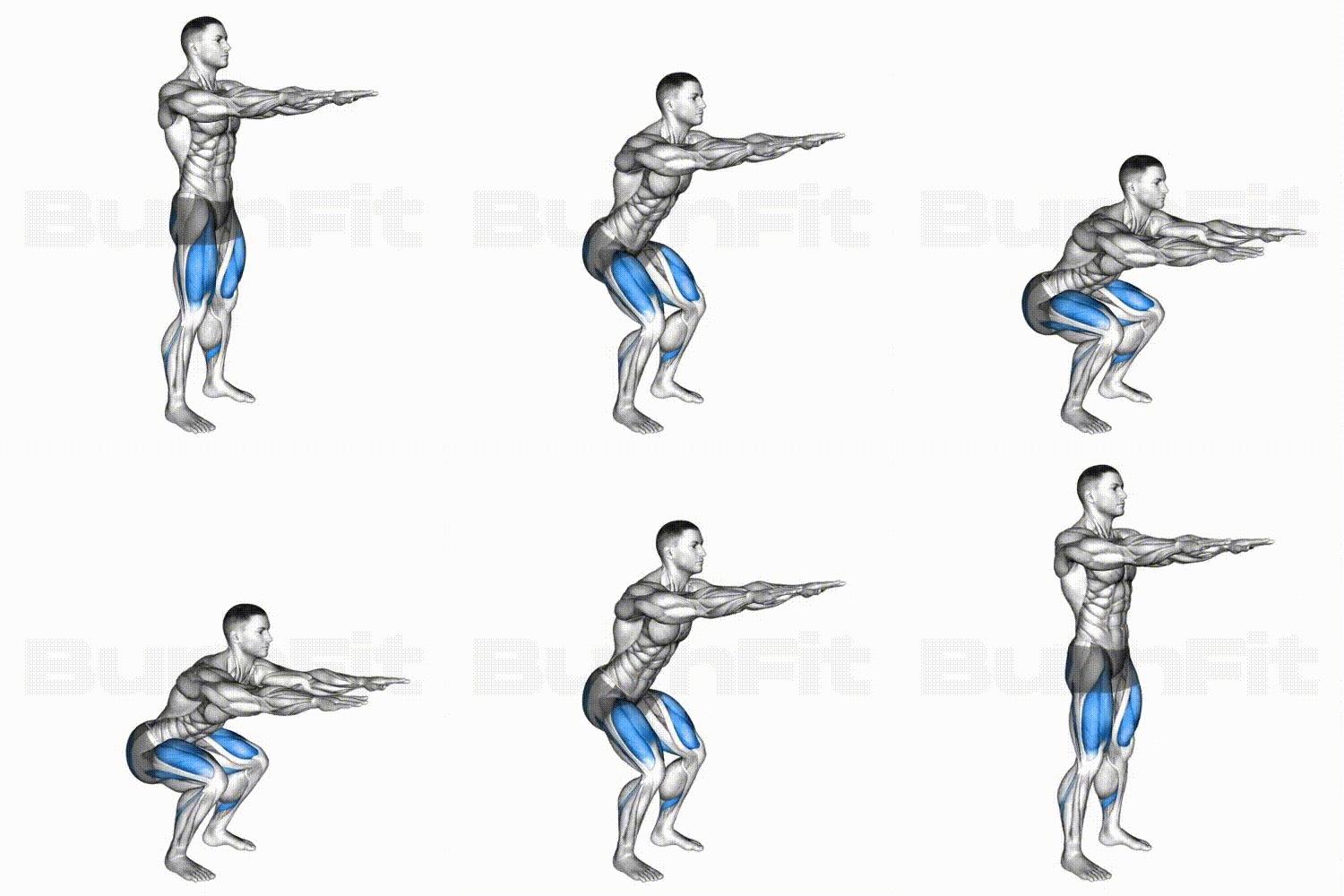
Exercise: Squats – 20 reps × 3 sets
Tip: Squats target some of the largest muscle groups in your body, helping improve strength and increase calorie burn. Keep your weight balanced and maintain control throughout the movement.
Step 3: Upper Body Strength
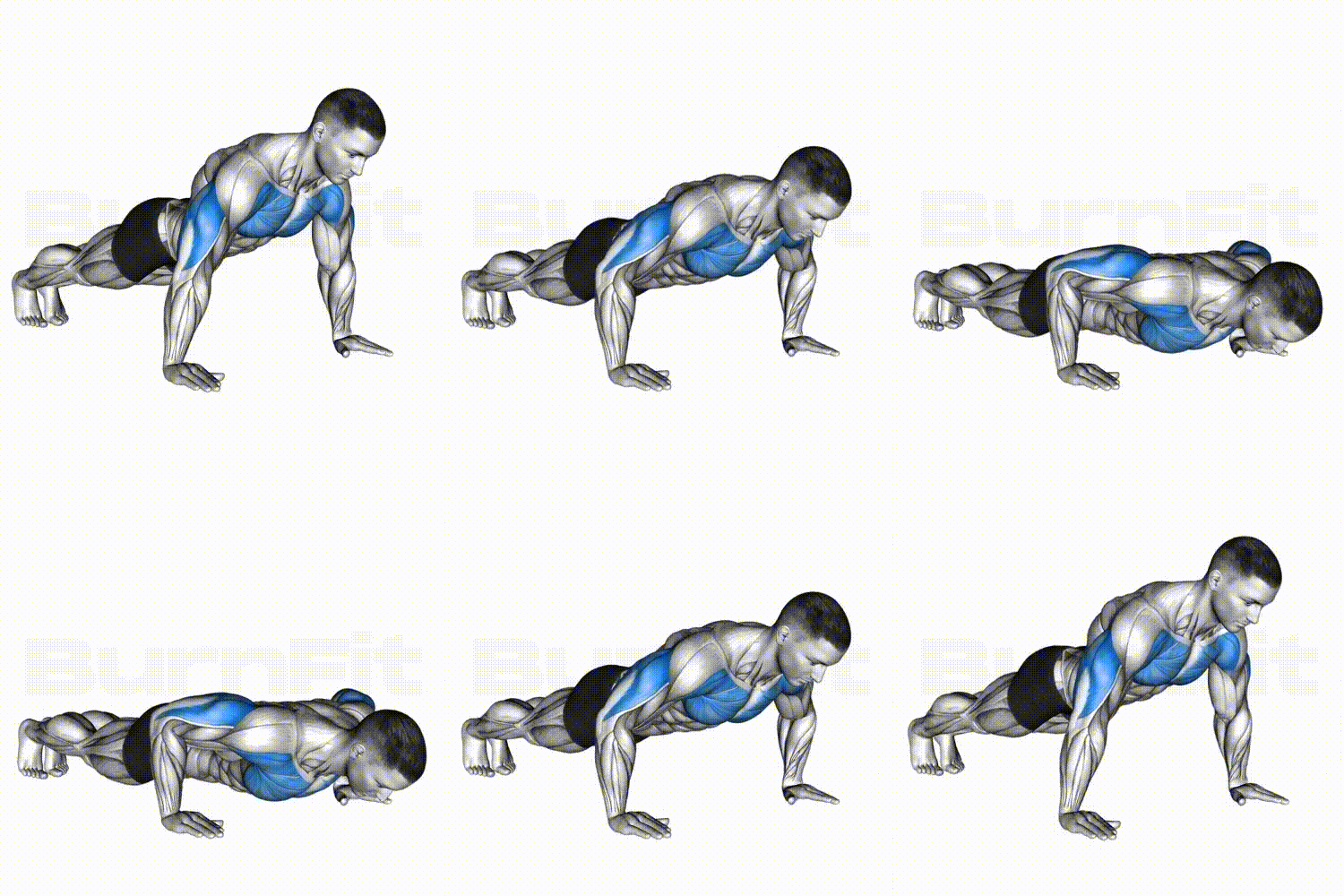
Exercise: Push-Ups (or Knee Push-Ups) – 12 reps × 3 sets
Tip:
- Works your chest, shoulders, and triceps simultaneously.
- Beginners can perform knee push-ups as a modification.
- Changing hand placement can emphasize different muscle groups.
Step 4: Core Stability
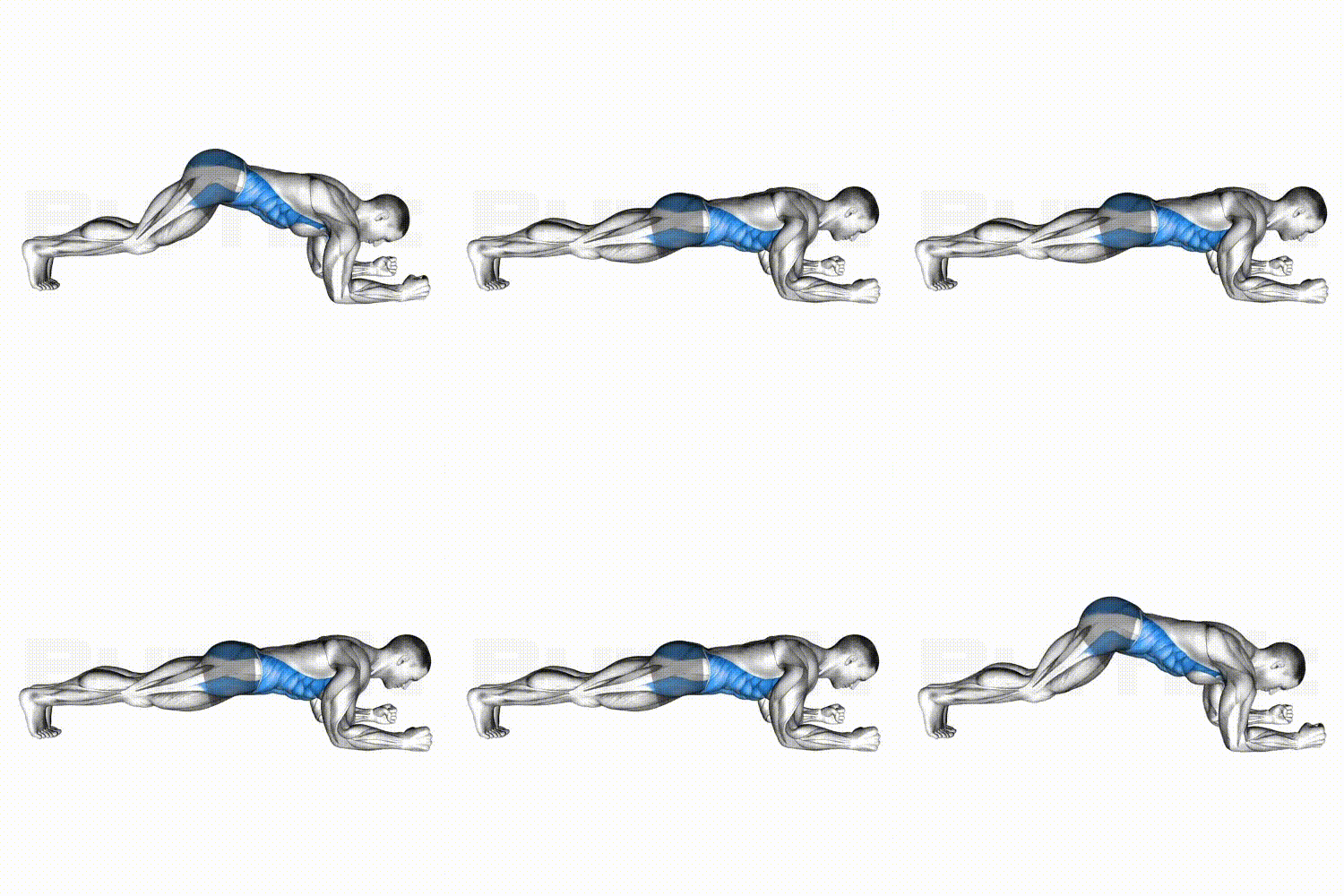
Exercise: Plank – 45 seconds × 3 sets
Tip: Keep your body in a straight line while engaging your core and glutes. Avoid letting your hips sag or rise too high.
Step 5: Full Body Cardio Finisher
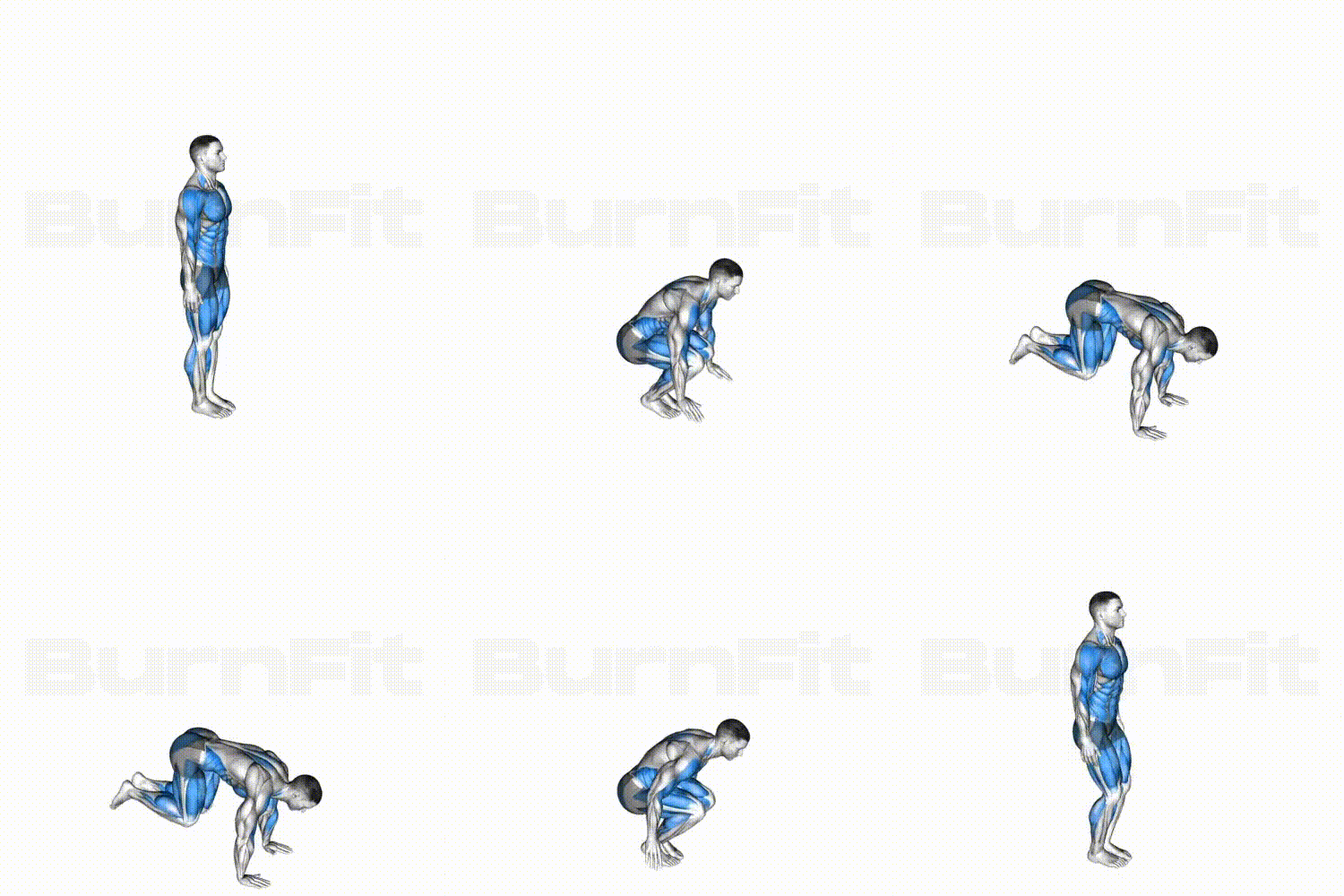
Exercise: Burpees – 10 reps × 3 sets
Tip: Focus on maintaining proper form rather than rushing through repetitions.
Alternative Circuit Version
Prefer a faster-paced workout?
Complete the following exercises back-to-back:
- Jumping Jacks – 30 seconds
- Squats – 20 reps
- Mountain Climbers – 30 seconds
- Push-Ups – 15 reps
- Burpees – 10 reps
Rest for 2 minutes after completing the circuit.
Repeat for 4–5 rounds.
Difficulty Adjustments
For Beginners
- Rest 60 seconds between sets
- Reduce repetitions by approximately 20%
For Advanced Users
- Rest only 30 seconds between sets
- Increase total sets from 3 to 4
Why Bodyweight Workouts Are So Effective
One of the biggest advantages of bodyweight training is accessibility.
You don’t need expensive equipment, a gym membership, or even much space.
A simple bodyweight workout routine allows you to train whenever and wherever it’s convenient.
Benefits of Bodyweight Training
Train Anywhere
Rainy day? Busy schedule? Traveling?
All you need is enough room to move.
Lower Injury Risk
Since you’re primarily using your own body weight instead of heavy external loads, bodyweight exercises can be easier on your joints and more beginner-friendly.
Full Body Calorie Burn
A well-designed bodyweight workout can challenge your entire body and elevate your heart rate, making it an effective option for improving fitness and supporting fat loss.
Frequently Asked Questions
Can I lose weight with bodyweight workouts?
Yes.
Bodyweight workouts can help you burn calories and improve overall fitness. For best results, combine regular exercise with a sustainable nutrition plan.
Can I do bodyweight workouts every day?
Light exercise can be performed daily. However, higher-intensity workouts require adequate recovery to allow your muscles to repair and adapt.
How often should beginners do bodyweight workouts?
For most beginners, 3–4 sessions per week is a great starting point.
As your fitness improves, you can gradually increase training volume or intensity.
Can bodyweight workouts build muscle?
Absolutely.
By increasing workout difficulty, reducing rest periods, slowing down repetitions, or progressing to more challenging exercise variations, you can continue building strength and muscle over time.
How to Avoid Quitting After a Few Days
The hardest part of working out at home isn’t the exercises themselves.
It’s staying motivated.
Unlike a gym membership that creates a sense of commitment, home workouts make it easy to say, “I’ll do it tomorrow.”
And tomorrow often becomes next week.
One of the most effective ways to stay consistent is to make your progress visible.
Track your workouts.
Record your routines.
Measure your streaks.
When you can see your effort accumulating over time, consistency becomes easier.
Save this bodyweight workout routine in BurnFit and make it part of your routine.
Every workout becomes a record.
Every record becomes a habit.
And every habit moves you one step closer to your goals.

