

1. ‘Different for Everyone’ Food Responses
Even when eating the exact same food, some people overflow with energy, while others feel tired. This is not just a matter of taste or preference, but because the internal digestion processes and metabolic responses that determine one’s dietary constitution are completely different for each person.
- Blood Sugar Responses Differ Even in Twins
: According to a large-scale study (PREDICT 1) published in the international journal ‘Nature Medicine’ in 2020, even identical twins with the exact same genes had vastly different blood sugar spikes after eating the same food. This means that even with identical genes, the way each person’s body absorbs food is different. In other words, bananas, an essential diet item for others, could be the wrong food for you, causing a rapid spike in blood sugar and weight gain.

- Differences in Gut Environment and Digestive Ability
: The types of microbes in the gut vary widely from person to person. Digestive capabilities also differ depending on usual sleep patterns or stress levels.
Simply put, the ability to absorb nutrients is different for everyone.

2. Reading Your Body’s Signals: How to Select the Right Food for You
You don’t necessarily have to spend time and money on complex hospital tests (though it’s even better if you do). By simply paying close attention to the signals your body sends after a meal, you can figure out if a food suits you or not and build a perfectly personalized diet.
- Checking for Digestion and Bloating
: If your stomach rumbles or you get gassy after eating supposedly healthy foods like milk or broccoli, pay attention. It is a signal that your stomach and intestines are burdened because they cannot digest the food properly.

- Checking Food Coma and Energy Levels
: Extreme drowsiness or lethargy pouring in after a meal is strong evidence that your blood sugar is fluctuating due to eating food that doesn’t suit your body. Truly suitable food keeps your stomach comfortable even after eating and provides stable energy throughout the afternoon.

3. Cross-Analyzing Your Diet and Workout Records
The most definite way to complete a healthy personalized nutrition diet is to pair and compare the food you ate with your workout condition that day. Your workout performance will also increase only when your body receives the right nutrients.
- Checking Nutrients That Boost Workout Capacity
: If your squats feel lighter than usual on a day you ate rice and meat, that diet is an excellent energy source for you. On the other hand, if you went to work out after eating only a salad and struggled with your usual weights, it is not the right diet for you right now, no matter how healthy it is.

- Leaving Data Instead of Memories
: “What did I eat last week when my workout went well?” Human memory easily fades. To grasp accurate causal relationships, you must record the food you ate and your workout results together for that day. Only then can you verify which nutrients boost your physical performance. To do this, accurate, data-based ‘recording’ is absolutely necessary.

🔥 Completing ‘Personalized Nutrition’ with BurnFit’s Systematic Tracking
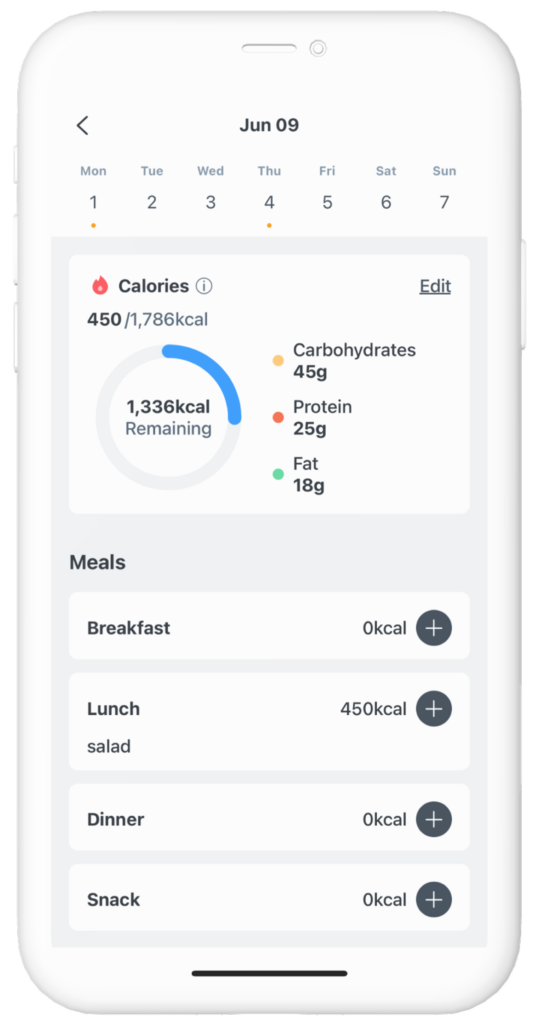
“My body feels so heavy, and my workout isn’t going well today.” This might not be a simple drop in condition, but rather because the food you ate doesn’t agree with you. If you want to know your body’s true response, you must lay out your diet and workout records side by side and check them.
Utilize the intuitive workout tracking app ‘BurnFit’ to record your daily meals and workout results together. Especially if you use the ‘Memo’ feature to briefly jot down whether your stomach felt comfortable or bloated after a meal, it becomes your own excellent analysis data. This accumulated data will clearly tell you “what foods make your body feel the lightest and most energetic.” Complete your one-and-only perfect personalized diet with BurnFit.


Strength Training for Beginners: 5 Exercises, Benefits & Routine
Hevy vs BurnFit: Which Workout Tracking App Fits the Way You Train?
7 Key Lower Body Strength Exercises for Every Muscle Group
Glute Exercises: 3 Key Points for Building Toned Glutes
Thigh Muscle Exercises: 3 Key Points for Stronger Legs
Why Is Resistance Training Essential as You Age? 5 Key Benefits for Maintaining Muscle and Strength