

1. Positive Effects of Intermittent Fasting
Many people know this simply as a diet plan for weight loss. However, beyond losing weight, maintaining a 16-hour fast is highly beneficial for our bodies.
The most representative positive effects of intermittent fasting, such as flushing out accumulated waste and normalizing metabolism, include:
- Fat Burning and Weight Loss: After 12 hours of fasting, our body depletes the glucose (glycogen) stored in the liver. From this point on, it starts using stored ‘fat’ as its primary energy source, leading to full-scale fat reduction.


- Improved Insulin Resistance and Metabolic Stabilization: While you are not eating, your blood insulin levels drop by up to 70%. Lower insulin levels transform your body into one that gains weight less easily and improve insulin resistance, which helps prevent lifestyle diseases like diabetes.


- Autophagy for Cellular Cleansing: After 16 hours of fasting, the body begins to break down and recycle old, damaged proteins and toxic waste. This ‘cellular deep-cleaning’ system is activated to purify the body and contribute to anti-aging and longevity.

- Enhanced Cardiovascular and Brain Health: As the digestive system rests, overall body inflammation levels drop, and blood pressure stabilizes. Additionally, the energy previously used for digestion is redirected to the brain, protecting neurons and improving cognitive function for a clearer mind.

2. Side Effects of Intermittent Fasting: The Dangers of a 16-Hour Fast
Behind the glamorous success stories lie various side effects of intermittent fasting. Forcing yourself to endure an empty stomach can put a significant strain on both your body and mind.
- Initial Physical Symptoms and Insomnia: As energy depletes, frequent headaches, dizziness, extreme fatigue, and poor concentration are common in the early stages of fasting. Insufficient hydration makes you prone to dehydration and constipation, while the stress of hunger can cause irritability and insomnia.

- Nutritional Imbalance and a Slower Metabolism: Rushing to eat within a set timeframe makes it difficult to get all essential nutrients. Nutritional imbalance can lead to loss of skin elasticity, hair loss, and weakened immunity. In particular, pushing a fast beyond 16 hours to lose more weight can cause the body to perceive an ’emergency’, slowing down your metabolism and making it easier to gain weight.

- Severe Muscle Loss and Cardiovascular Risks: A shorter eating window reduces the opportunity to consume enough protein, leading to long-term muscle loss. A bigger issue is heart health. According to a 2024 American Heart Association (AHA) presentation, those who ate within an 8-hour window had a 91% higher risk of cardiovascular mortality compared to those who ate normally.

- Obsession with Eating Times and Binge Eating Risks: The reward mentality of “I starved for 16 hours, so I can eat this much” leads to binge eating. You may become pathologically obsessed with the 8-hour eating window, which highly increases the risk of developing binge eating disorders that spike blood sugar levels.

3. Who Should Absolutely Avoid Intermittent Fasting?
No matter how popular intermittent fasting is, you should approach it with extreme caution if you fall into any of the following categories:
- Growing Adolescents, Pregnant, and Breastfeeding Women: Adolescents under 18 and pregnant women, who require a continuous and balanced nutrient supply, must avoid extreme fasting.
- Diabetics and Underweight Individuals: Arbitrarily extending fasting times can cause fatal hypoglycemic shock. For underweight individuals who already lack body fat and muscle, the risks far outweigh the benefits.
- People with a History of Eating Disorders: If you have suffered from eating disorders like anorexia or bulimia, the compulsive cycle of fasting and eating can severely worsen your symptoms.
4. Tips for Safe Intermittent Fasting to Protect Your Body
If you do not fall into the high-risk groups and want to practice intermittent fasting healthily, you must follow these essential rules to prevent side effects:
Do Not Ignore Your Body’s Warning Signs: If dizziness persists or if you feel severe fatigue that disrupts daily life, stop fasting immediately. A diet meant to make you healthier should never be the cause of ruining your health.

- Stay Hydrated Even During Fasting Hours: It is dangerous to cut out water just because it is a calorie-restricted time. To prevent dehydration, constipation, and severe headaches, drink plenty of plain water or unsweetened herbal tea during your fasting window.

- Pack Your Meals with Nutrients: Stuffing yourself with fast food or desserts as a reward during your 8-hour window is the worst choice. To prevent muscle loss and hormonal imbalance, focus on eating high-quality meals rich in protein, fiber, and healthy fats.

🔥 Build a Systematic Health Routine with BurnFit
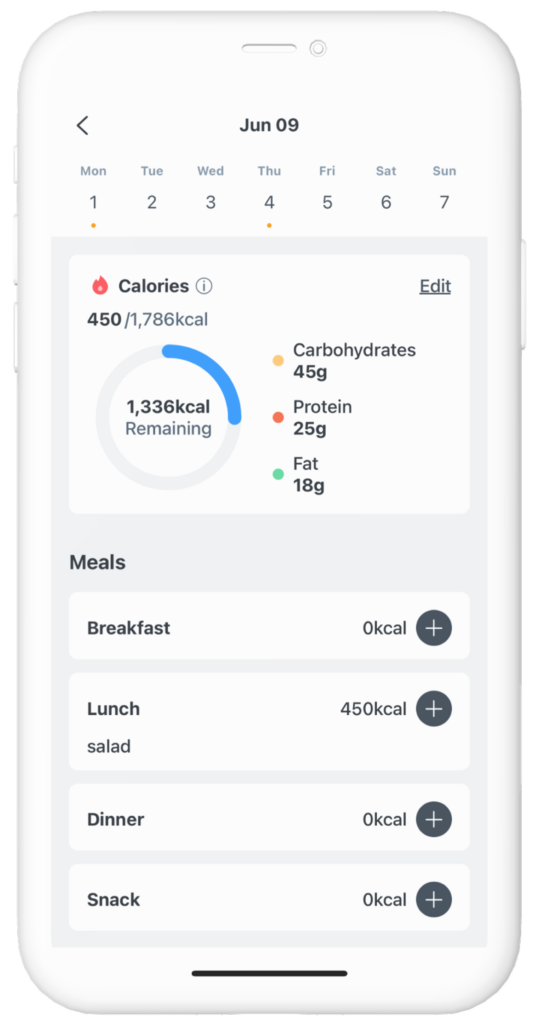
You don’t have to blindly follow ‘intermittent fasting’ just because everyone else is doing it. The key to a successful, side-effect-free diet is not obsessing over ‘fasting hours’, but accurately recognizing ‘what and when you ate’.
Finding the right diet for your body and systematically recording it is the most perfect way to manage your health. Rather than just guessing in your head, use the intuitive ‘BurnFit’ app to meticulously log your daily diet and workout data. The personalized data you build through detailed tracking will become your safest and surest shortcut to health management.


Strength Training for Beginners: 5 Exercises, Benefits & Routine
Hevy vs BurnFit: Which Workout Tracking App Fits the Way You Train?
7 Key Lower Body Strength Exercises for Every Muscle Group
Glute Exercises: 3 Key Points for Building Toned Glutes
Thigh Muscle Exercises: 3 Key Points for Stronger Legs
Why Is Resistance Training Essential as You Age? 5 Key Benefits for Maintaining Muscle and Strength