

1. Calories Burned Just by Breathing: Calculating Your BMR
Before trying to increase your BMR, you must first understand your body’s current state. Knowing your baseline is crucial for setting the right diet and workout volume.
- How to Calculate BMR (Harris-Benedict Equation)
This is the most common formula using your gender, weight, height, and age.- Men: 66.47 + (13.75 × Weight in kg) + (5 × Height in cm) – (6.76 × Age)
- Women: 655.1 + (9.56 × Weight in kg) + (1.85 × Height in cm) – (4.68 × Age)
💡 Calculation Example
- 30-year-old male, 70kg, 175cm:
66.47 + (13.75 × 70) + (5 × 175) – (6.76 × 30) = Approx. 1,701 kcal - 30-year-old female, 60kg, 160cm:
655.1 + (9.56 × 60) + (1.85 × 160) – (4.68 × 30) = Approx. 1,384 kcal
- 30-year-old male, 70kg, 175cm:
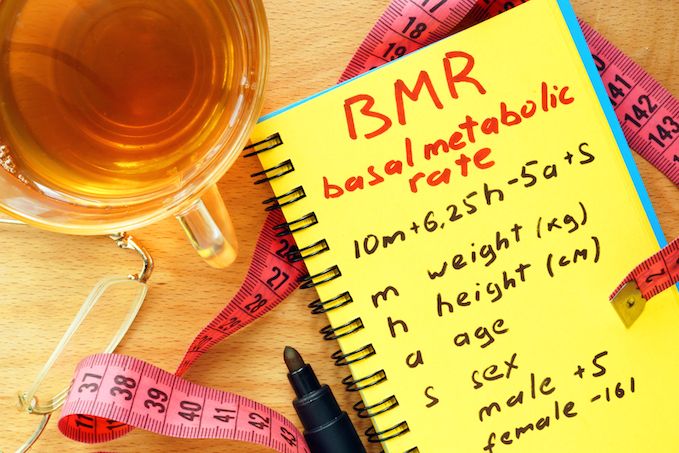
If manual calculation feels too complex, simply search for a “BMR Calculator” on Google. By entering basic info, you can easily find your estimated BMR.
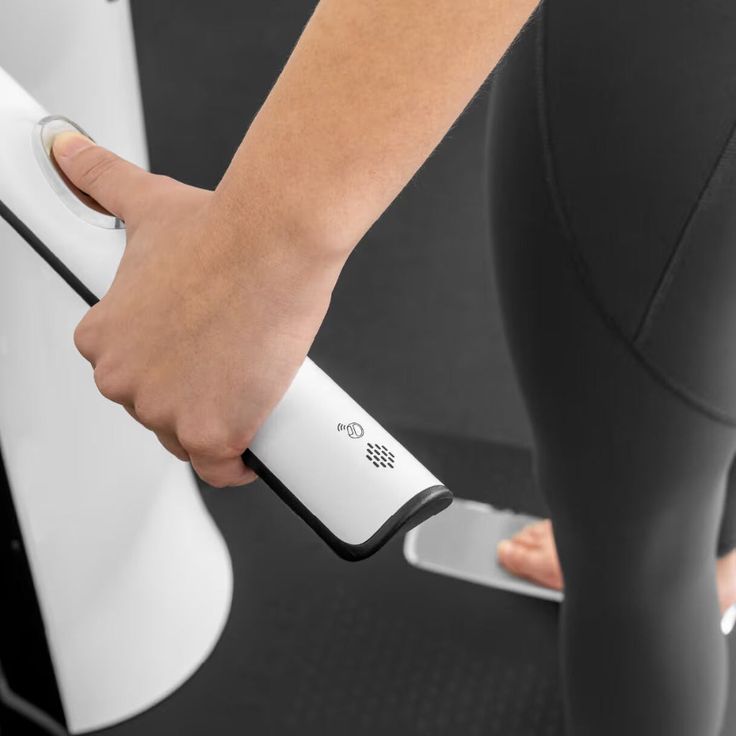
- Accurate Check via Body Composition (InBody) Test
Since formulas only provide average estimates, the best method is getting a body composition test (like InBody) at a gym or health center. It provides a much more accurate BMR reflecting your actual muscle and body fat mass.
2. Essential Method to Increase BMR: Strength Training
Once you know your BMR, it’s time to take action to raise it. The most direct and effective way to increase your BMR is by building muscle mass. Since maintaining muscle requires significant energy, having more muscle naturally raises your baseline BMR.
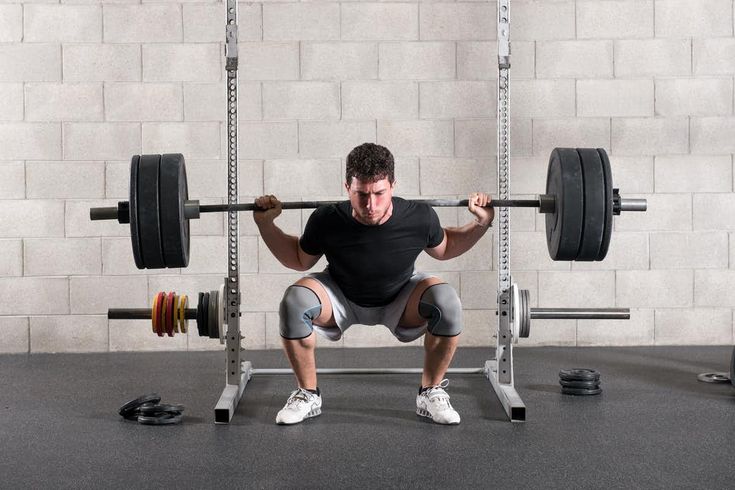
- Workout Routine Focused on Large Muscles
Prioritize exercises like squats, deadlifts, and lunges that target the body’s large muscle groups (thighs, glutes, back, and chest). Developing large muscles yields a much higher boost in metabolic rate.
- Consistent Strength Training 3 Times a Week
Cardio alone has its limits in raising your metabolism. Consistently engaging in strength training—using heavy weights or your body weight—at least three times a week is required to fundamentally improve your body’s constitution.

3. Quality Nutrition: Proper Eating Habits to Maintain BMR
Just as important as exercise is a diet that replenishes your energy. Irregular eating or starvation diets reduce your body’s energy expenditure and drastically lower your metabolic rate.
- Protein Intake for Muscle Growth
Adequate nutrients are essential to synthesize the muscles you’ve worked hard to build. Consuming 1.2 to 1.5g of protein per 1kg of body weight along with fiber at every meal is crucial for activating your metabolism.

- Hydration to Support Energy Metabolism
Sufficient water intake activates the sympathetic nervous system, boosting metabolic speed. Consistently drinking water throughout the day, as well as before and after workouts, greatly helps in raising your BMR.

4. Maximizing Daily Energy Expenditure
Beyond weight training, building habits that promote metabolism and use energy in everyday life is vital.
- Promote Metabolism with Light Post-Meal Activity
Sitting still or lying down after eating easily leads to the accumulation of unburned calories. A light 15-minute walk or stretching session after a meal prompts your muscles to use the consumed nutrients as immediate energy, keeping your metabolism active.

- Utilizing NEAT (Non-Exercise Activity Thermogenesis)
Simply increasing daily non-exercise activities—such as taking the stairs instead of the elevator or standing on public transport—can significantly raise your total daily energy expenditure.

5. Consistent Tracking: Maintaining Workout and Diet Balance
To consistently increase your BMR, you must objectively understand the balance between energy in (diet) and energy out (exercise). Clear, data-driven tracking is essential for this.
- Discovering Your Workout Routine and Condition
By logging your daily exercise types, weights, and the food you eat, you can analyze the causes of days when your performance spikes or when your body feels heavy.

- Proving with Recorded Data, Not Just Feelings
Don’t rely solely on mirror checks or how you feel; leave objective data. Visually confirming your progressively increasing workout volume (weight and reps) serves as a great driving force to sustain your exercise habit.
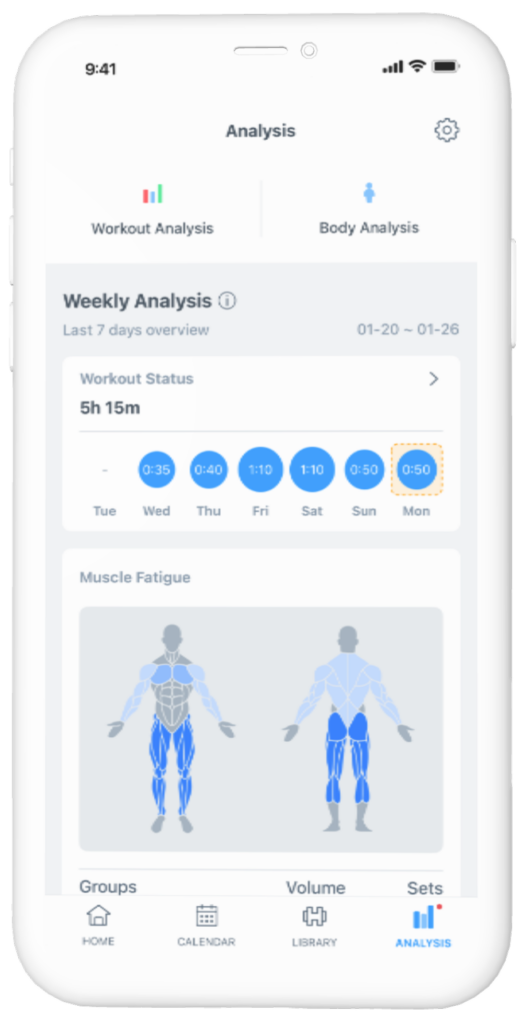
🔥 Increase Your BMR with BurnFit’s Systematic Tracking
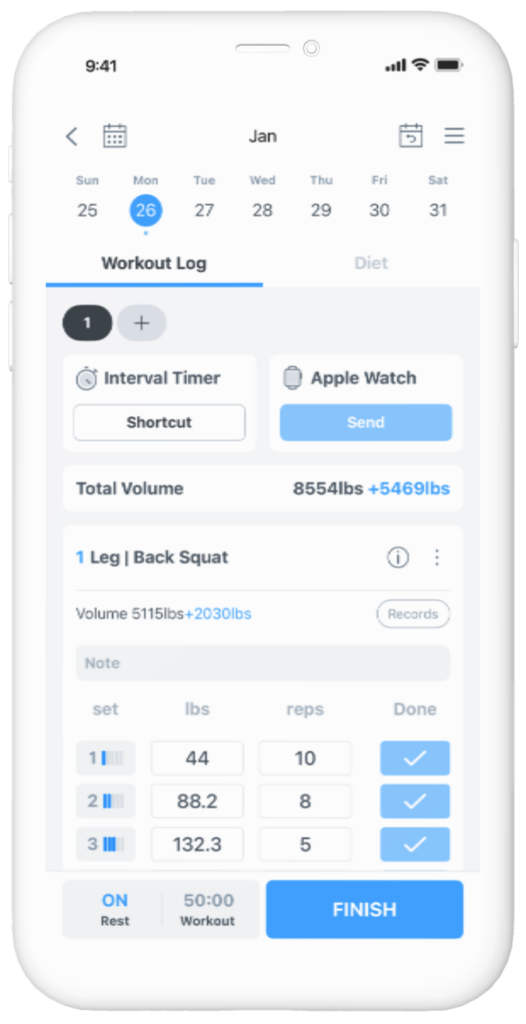
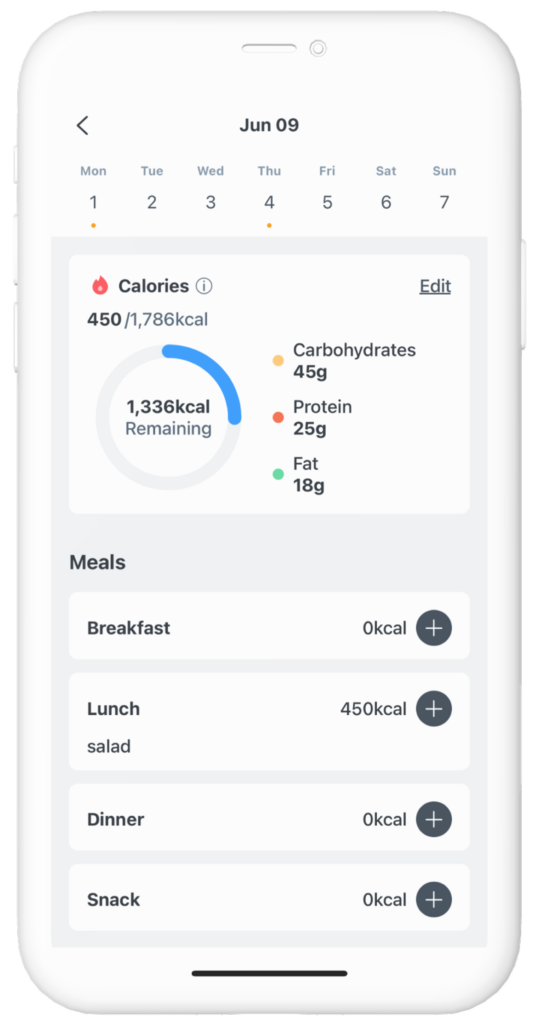
If you desire a healthier, more toned body, it’s time to check your muscle mass and metabolic state. Successful body transformation is completed when consistent exercise and a proper diet reach perfect balance.
Use the intuitive workout tracking app, ‘BurnFit’, to systematically log your strength and cardio workout volume today. By utilizing the ‘Memo’ feature during your workout log to note sleep duration and condition, and carefully checking your food and calories through the separate diet tracking feature, you’ll create the perfect personalized data needed to practice the ultimate “how to increase BMR.”
Start a healthy lifestyle right now by tracking your workouts and diet with BurnFit.


Seated Cable Row: 3 Tips for Better Form
Strength Training for Beginners: 5 Exercises, Benefits & Routine
Hevy vs BurnFit: Which Workout Tracking App Fits the Way You Train?
7 Key Lower Body Strength Exercises for Every Muscle Group
Glute Exercises: 3 Key Points for Building Toned Glutes
Thigh Muscle Exercises: 3 Key Points for Stronger Legs