

Step 1: Just 3-5 Exercises a Day! Choosing Core Machines per Muscle Group
The first thing to consider when building a systematic beginner workout routine is selecting your exercises. If a beginner tries to tackle too many exercises in one day, it’s easy to get exhausted and lose interest.
To ensure you are working your entire body evenly, we recommend doing 1 core machine each for your chest, back, and legs. If you have extra energy, add 1-2 auxiliary exercises, starting your routine lightly with a total of just 3-5 exercises a day. For beginners, it is especially safer to focus on ‘machines’ with fixed paths to minimize the risk of injury.
- Core Machines for Large Muscle Groups
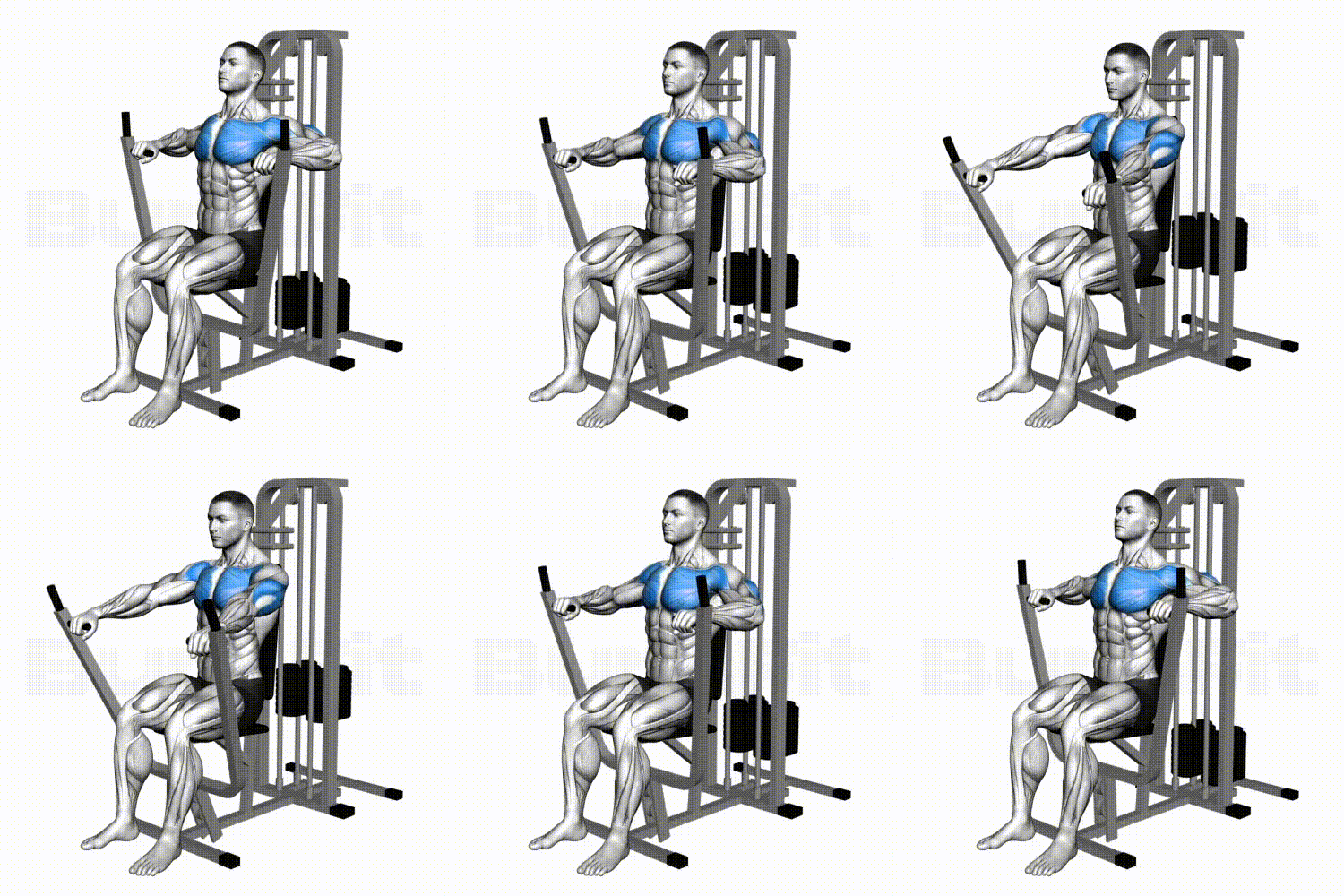
In the early part of your workout when you have the most energy, it’s best to perform exercises that use multiple muscles at once, targeting large muscles like the chest, back, and legs. They burn a lot of energy in a single movement and are most effective for building overall strength.Chest: Chest Press Machine
Back: Lat Pull Down

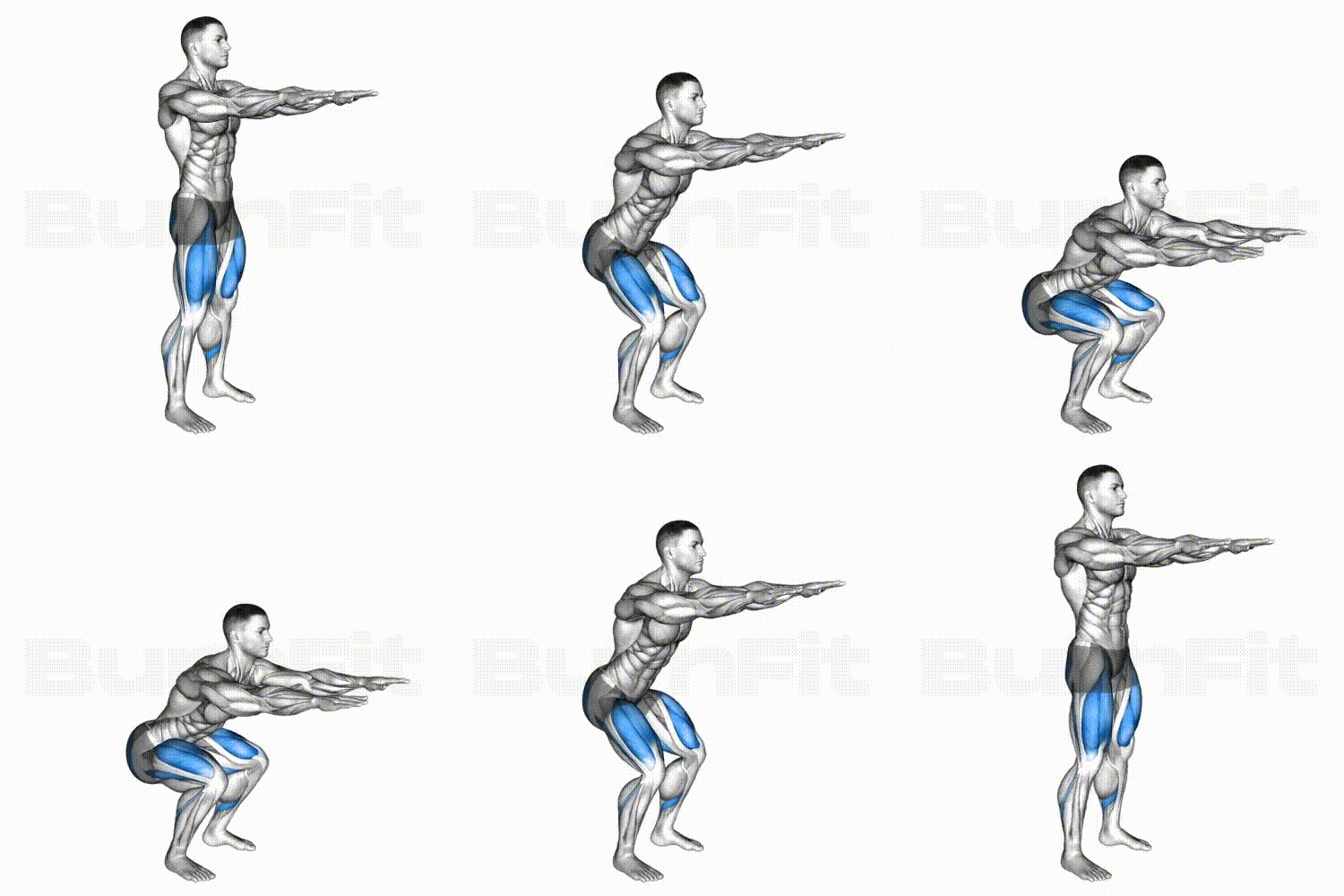
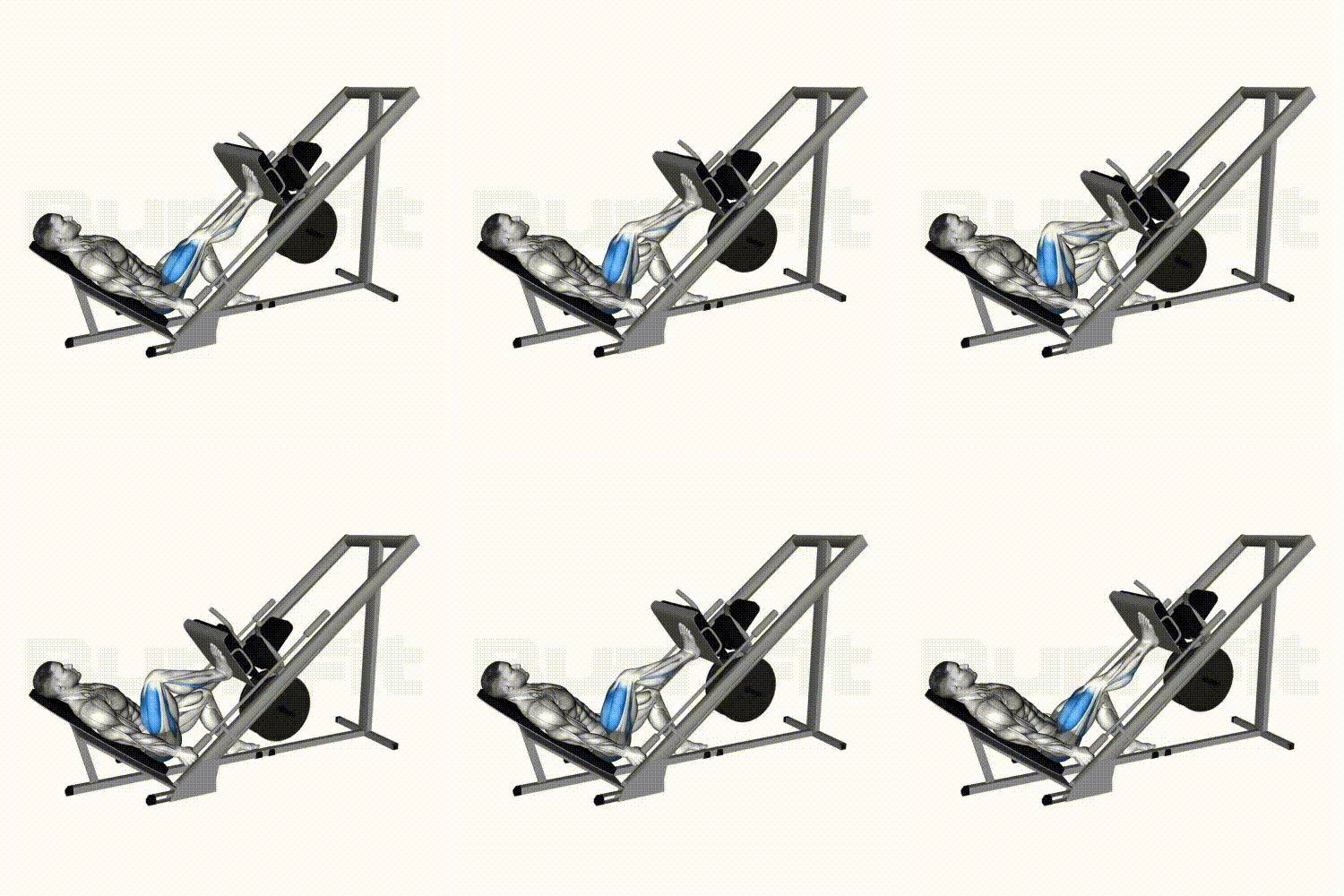
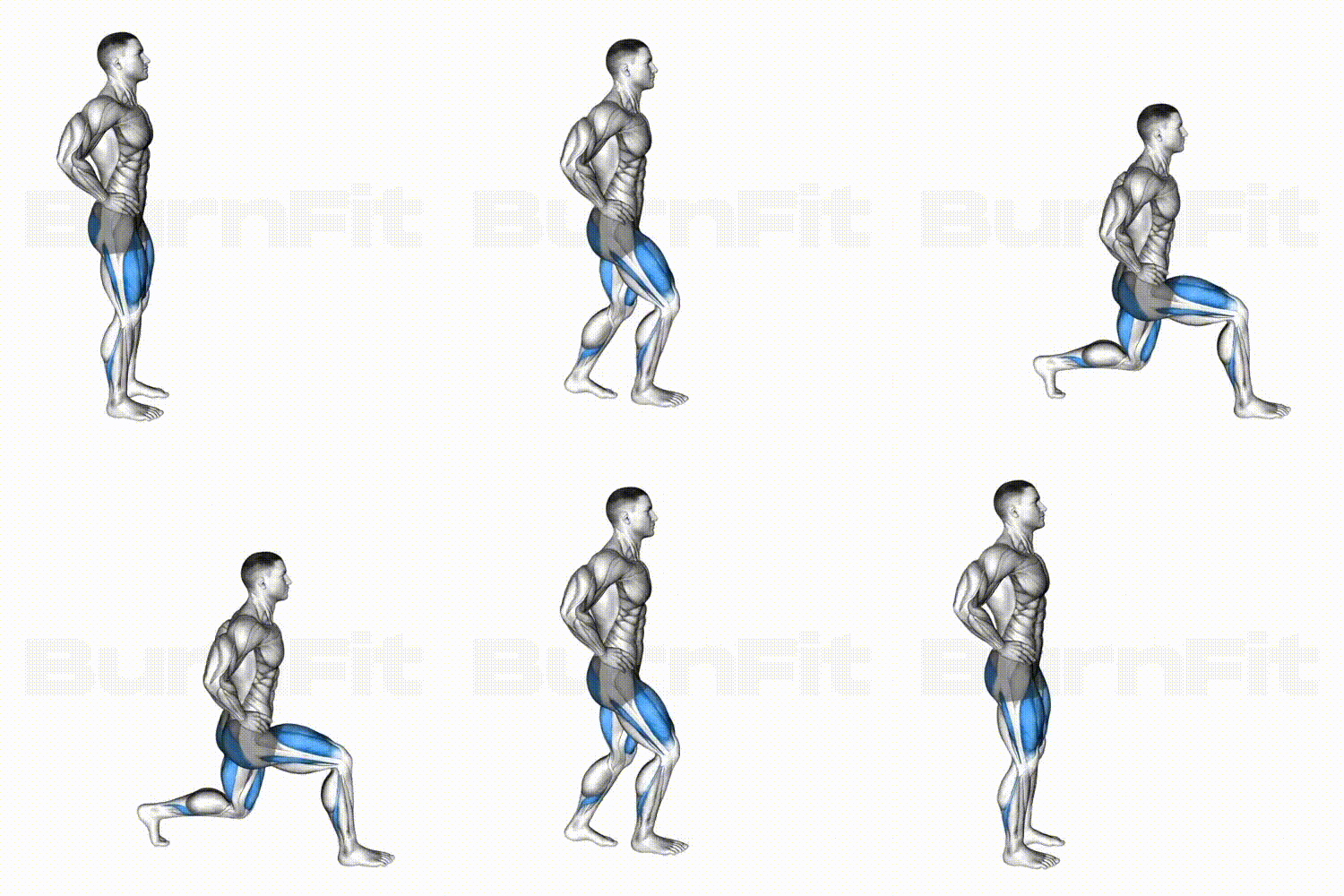
Legs: Squat, Leg Press, or Lunge (Choose 1 of the 3)
- Auxiliary Machines for Specific Areas
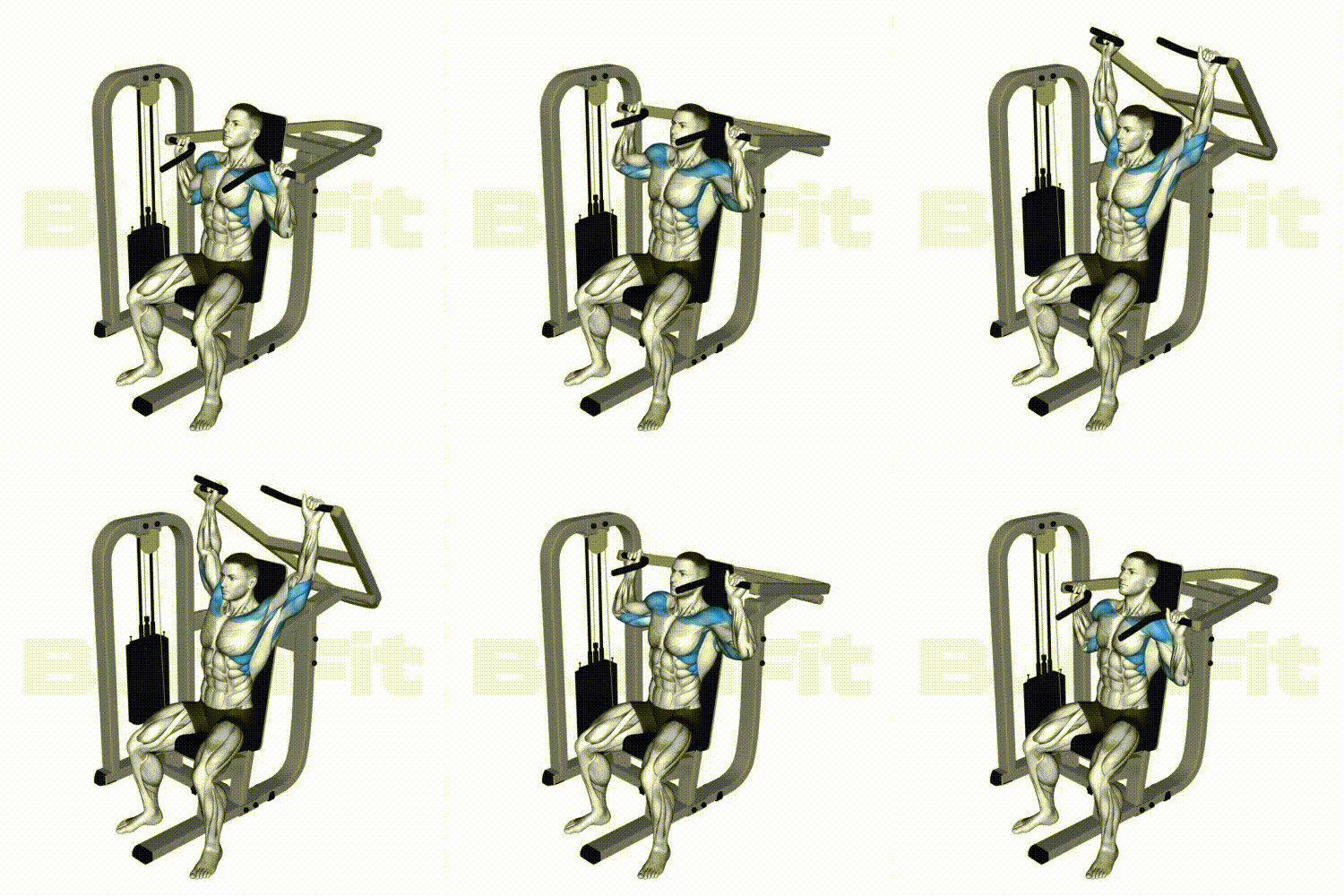
After finishing exercises that use large muscles, add these to the end of your routine when you want to isolate and stimulate specific target areas.Shoulders/Arms: Shoulder Press Machine
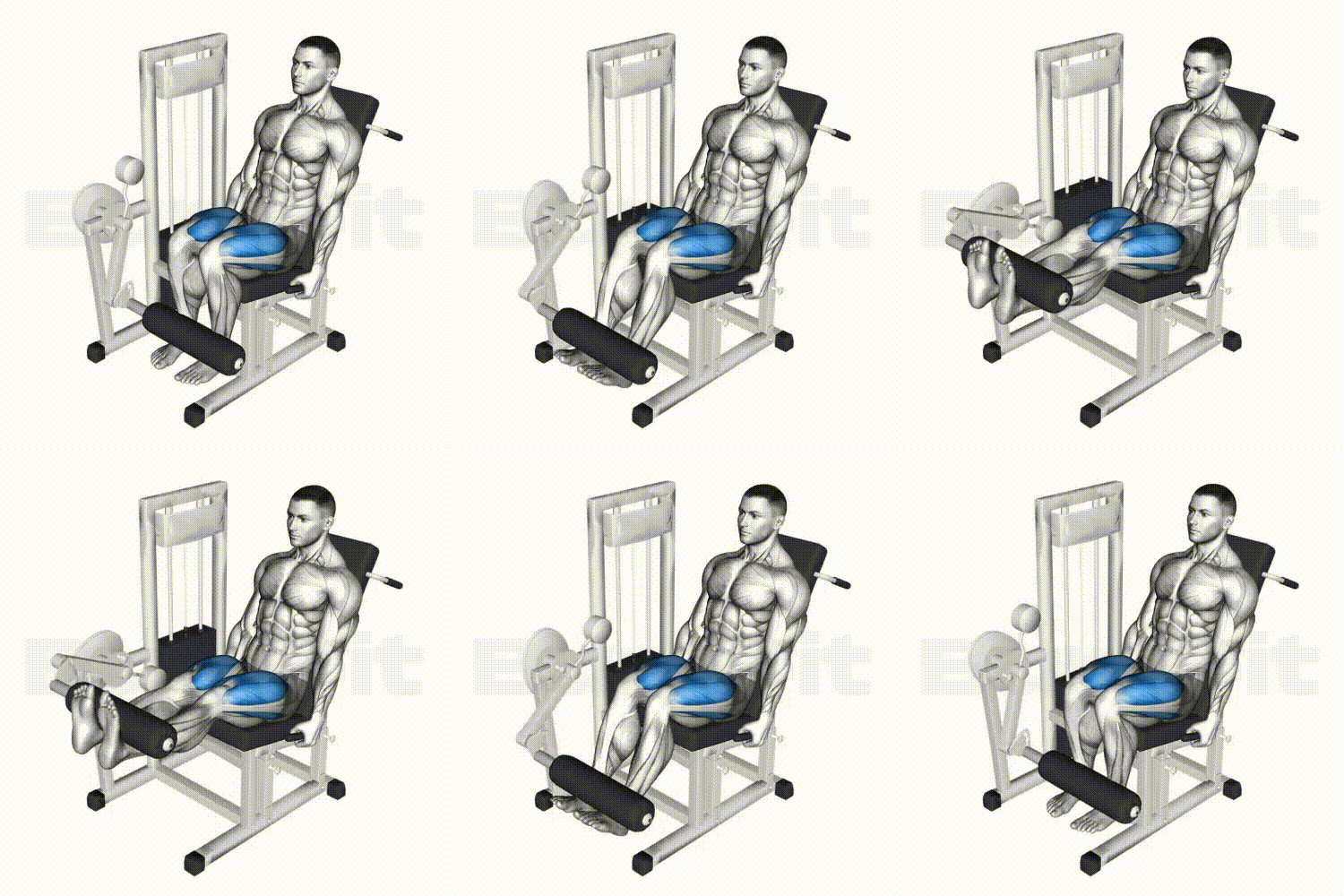
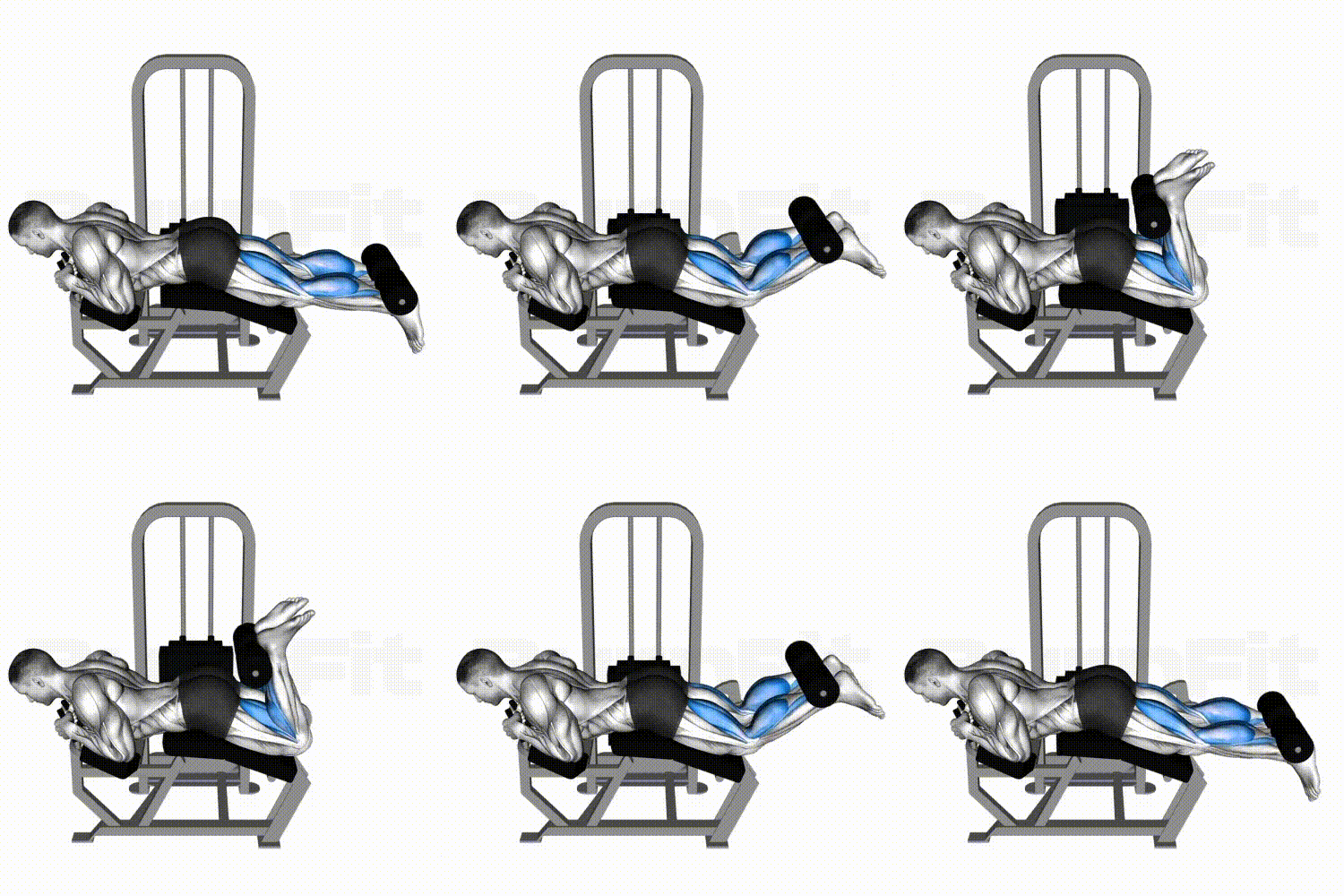
Legs: Leg Extension or Leg Curl (Choose 1)
- 💡 Recommended Basic Routine Example for Beginners (Total 4 Exercises)
Chest Press Machine (Chest) → Lat Pulldown Machine (Back) → Leg Press Machine (Front Legs) → Leg Curl (Back Legs)
Step 2: Setting the Right Weight, Reps, and Sets for You
Once you have chosen your 3-5 core exercises, you now need to set how much weight to lift and how many times to repeat it (sets) on each machine. In a beginner workout routine, rather than forcing yourself to lift heavy weights from the start, it is much more important to prevent injuries and feel the exact stimulation in the target muscle.
- Reps (Start with 12-15 reps to adapt to the path, then adjust to 8-12 reps)
When using a machine for the first time, don’t insist on heavy weights. Start with a light weight that you can comfortably lift for about 12-15 reps to learn the correct posture. Once you are used to the machine’s path and stimulation, gradually increase the weight to a heavy load that you can barely lift for 8-12 reps, which is advantageous for muscle growth. - Sets (Focus on 3-4 sets per exercise)
Since the number of exercises is small (3-5), focus intensely on doing 3-4 sets per exercise. We recommend doing a warm-up with a very light weight for the first set to loosen up the joints, and then using your target weight from the second set onwards.
Step 3: Smart Rest Times for Muscle Growth
One of the most common mistakes beginners make at the gym is guessing their rest times between sets while looking at their smartphones. If rest times are irregular or excessively long, muscle tension drops, and overall workout efficiency can plummet.
- Core Machines for Large Muscles (e.g., Chest Press, Lat Pulldown, Leg Press)
Because energy consumption is high and you’ll be breathing heavily,
take a sufficient rest of 90 to 120 seconds to recover your stamina. - Auxiliary Machines for Specific Areas (e.g., Cable Pushdown, Leg Extension)
Since physical exertion is relatively low, take a short rest of about 60 to 90 seconds and immediately enter the next set.
Step 4: Tracking Your Workout and Progressively Increasing Intensity
Once you have safely adapted to your 3-5 machine routine, the next step is to apply the principle of ‘progressive overload’ to gradually increase your training intensity. If you just repeat the same light weight every week, your body will quickly adapt, and muscle growth will stall. To gradually increase the weight or reps without compromising your posture, you must accurately track the records of your previous workouts.
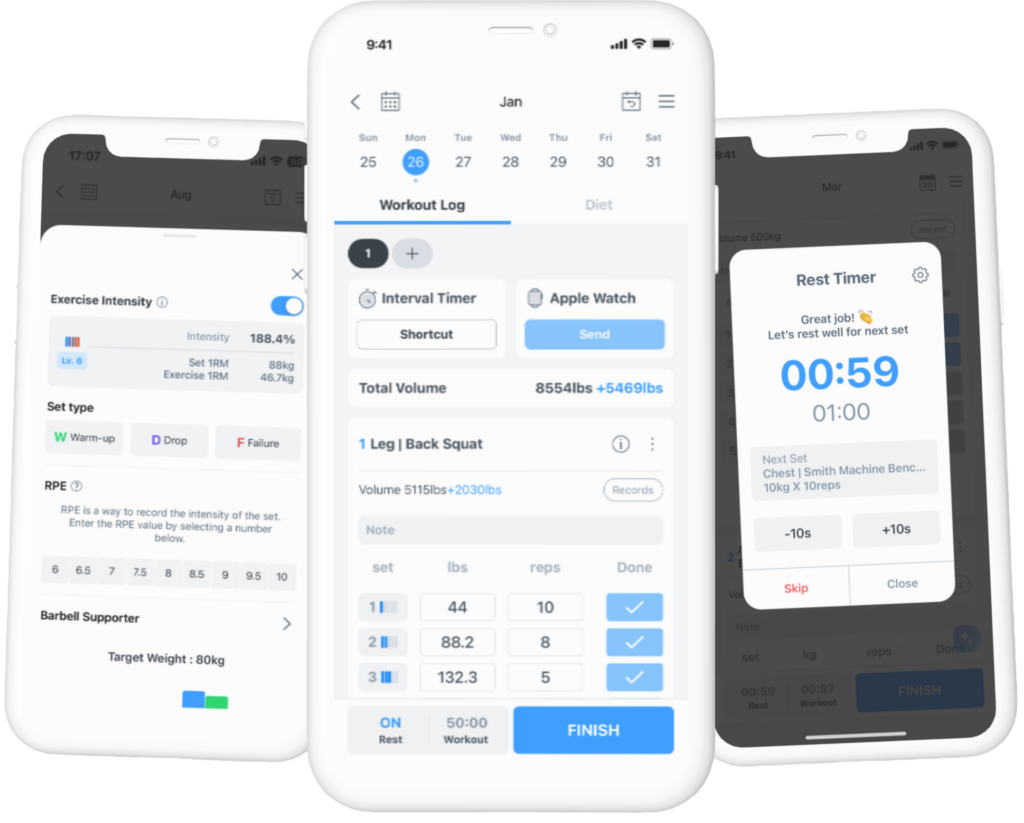
- Intuitive Record Management with the BurnFit App
There is no need to write it down by hand in a notebook or open a complicated memo app every time. By using the BurnFit app, you can easily save your exact 3-5 beginner workout routine exercises in advance. You can intuitively log the weight and reps for the machines and stay fully focused on your workout without breaking your flow by utilizing the rest timer notifications between sets.
—
※ What is Progressive Overload?
: It refers to the principle of gradually increasing the intensity of the workout (weight, reps, etc.) to make the muscles grow. The key is to do just 1kg more or just one more rep than yesterday.

Consistent Practice, Start with Your Own Small Routine
We recommend setting up your own light beginner workout routine right now based on the 4 steps provided. There is no need to feel lost about what to do in a complex gym or be afraid of what others think. Even if you just finish the 3-5 machines you planned for today without wavering, your workout for the day is a massive success.
A perfect routine covering countless machines from the start does not exist. By consistently executing an initial routine of 3-5 machines for 2-3 weeks, you will go through the process of getting used to the machines’ paths and finely adjusting the exercises and weights to your fitness level. Forming a fearless and stable gym attendance habit through systematic planning and meticulous recording is the fastest shortcut to escaping the beginner phase.

