Why Strong Forearms Still Mean Something
You can tell a lot about someone by their grip.
Not their profile picture.
Not their gym selfies.
Not even their bench press.
The way they hold a bar.
The veins that show when they carry something heavy.
The quiet tension under a rolled-up sleeve.
Some muscles look impressive only in the gym.
But this kind of strength follows you everywhere.
And maybe that is why people have started noticing it again.
Not because bigger lower arms are trendy.
Because they still look human in a world full of filters, pump covers, and fake strength.
Real grip strength does not look edited.
It looks earned.
That is why climbers have it.
Fighters have it.
People who build things have it.
And increasingly, people want it too.
Not just to look stronger.
To feel stronger.
Because deep down, everyone understands one thing instinctively:
A strong grip still means something.
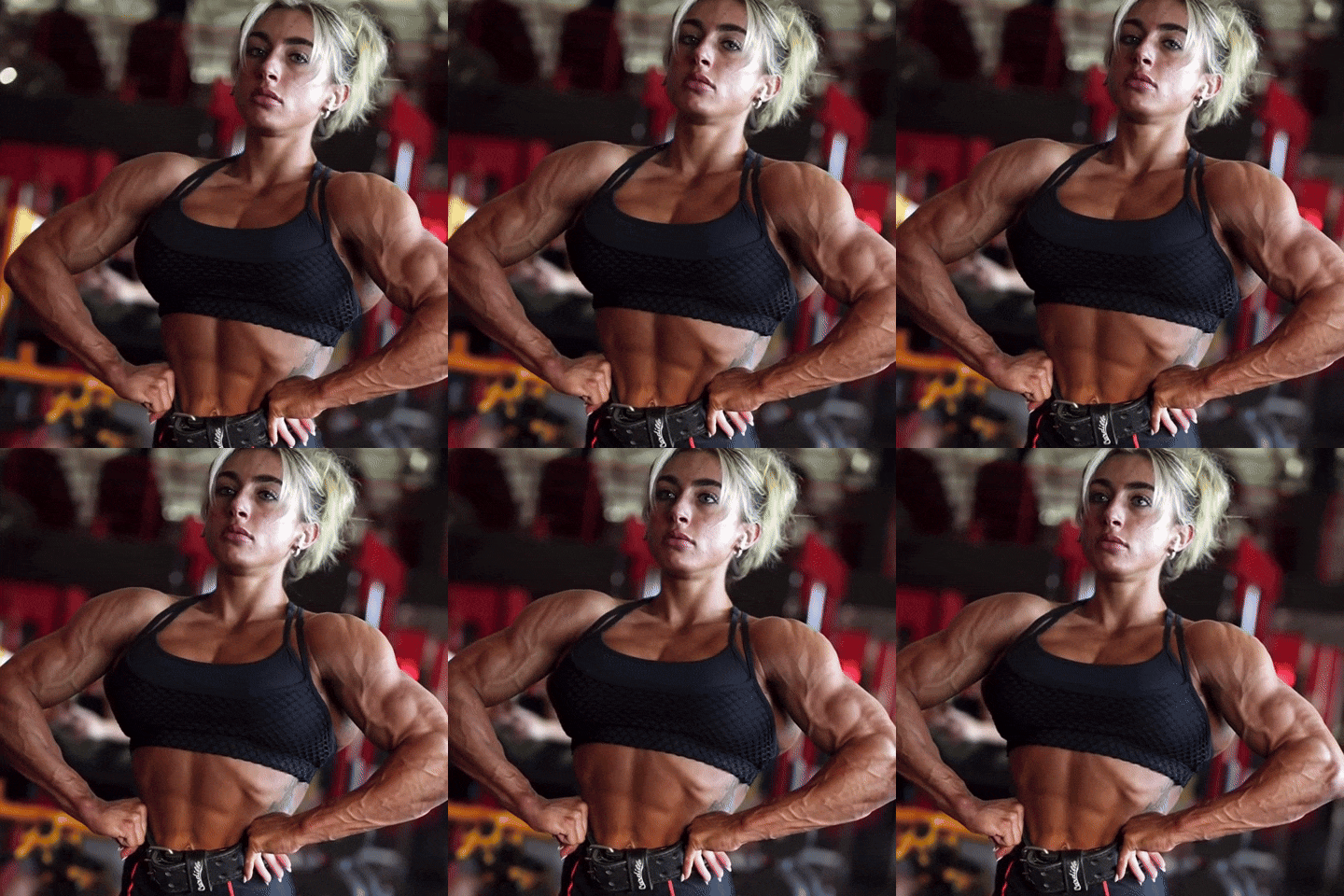

Forearms Make You Look Stronger Instantly
Big arms are impressive.
But big forearms change your entire silhouette.
That is why someone with average-sized biceps but thick forearms often looks stronger than someone with massive upper arms and tiny wrists.
Arm strength create what people now call “quiet strength.”
Not bodybuilder-big.
Not superhero lean.
Just physically capable.
Like someone who can carry heavy groceries in one trip.
Like someone who climbs.
Rows.
Lifts.
Builds things.
Real-world strength has a different aesthetic.
Grip Strength Is Becoming the New Benchmark
The fitness world is slowly moving away from “mirror muscles only.”
People care more about:
- longevity
- functional strength
- athletic performance
- movement quality
- grip strength
And grip strength matters more than most people think.
Your grip affects:
- deadlifts
- pull-ups
- rows
- farmer carries
- climbing
- Brazilian Jiu-Jitsu
- Hyrox
- kettlebell training
In many pulling exercises, your grip fails before your back does.
Your lats may still have energy left.
Your grip does not.
That is why stronger forearms often lead to stronger training overall.
Not just better-looking arms.
Better performance.
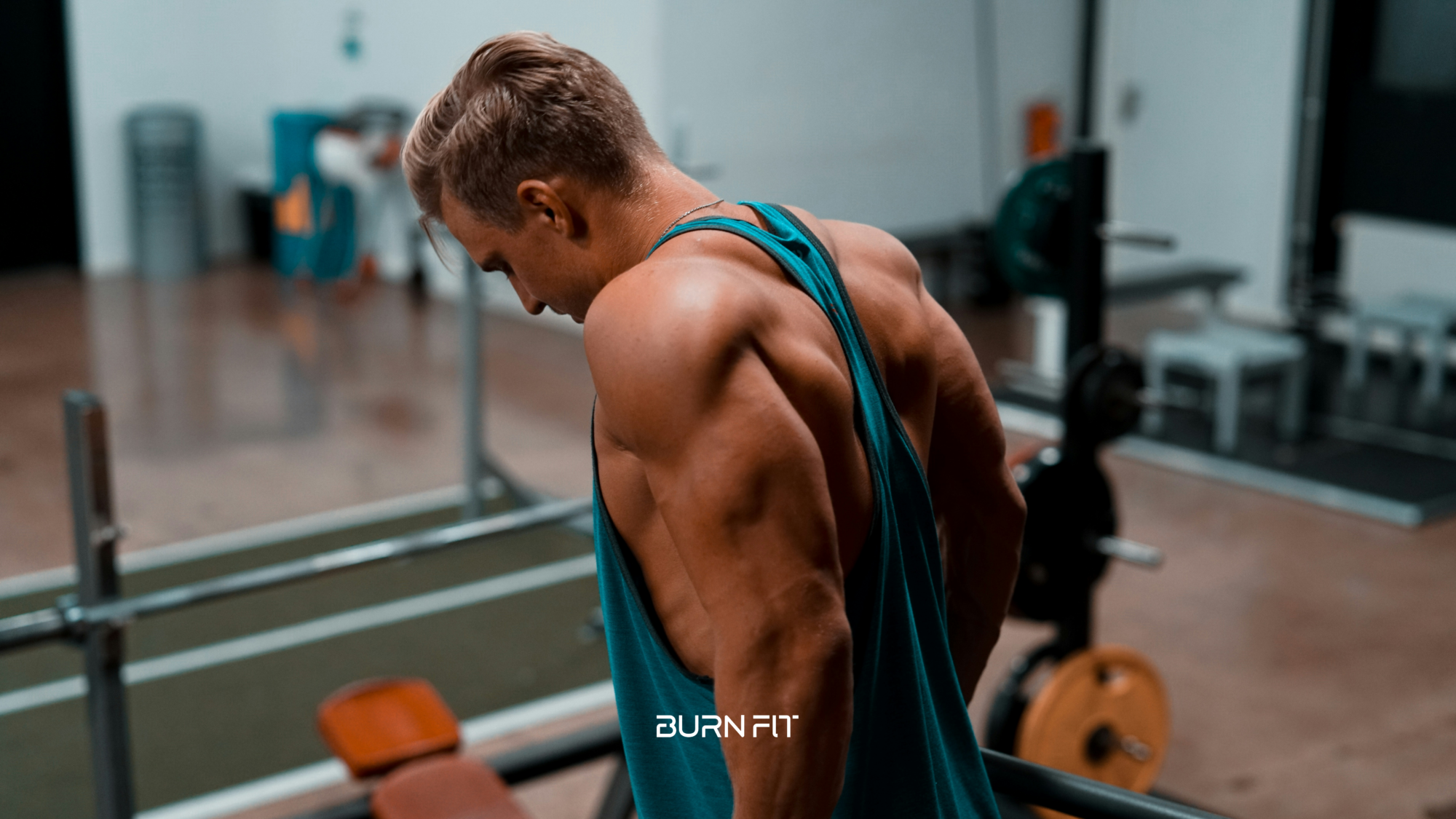
Most People Train Arms and Ignore Forearms
This is where things get strange.
People spend years training:
- biceps
- triceps
- chest
- shoulders
But almost nothing for forearms.
Then they wonder why:
- their grip gives out early
- pull-ups feel unstable
- rows stay weak
- their physique still looks incomplete
A lot of people build “gym muscles.”
Very few build strength that actually looks usable.
Forearms are one of the biggest differences.
The Best Forearm Exercises Are Usually Not Forearm Exercises
This is the part most people misunderstand.
You do not necessarily need endless wrist curls.
Some of the best exercises for building stronger lower arms are:
- farmer carries
- dead hangs
- hammer curls
- pull-ups
- heavy rows
- loaded carries
Why?
Because these muscles respond extremely well to sustained tension and heavy gripping demands.
The body does not care whether you call it a “forearm workout.”
It only understands tension.
That is why people who climb, wrestle, row, or carry heavy weights often develop thick, powerful lower arms without directly isolating them.
Their grip is constantly under pressure.
Why Forearms Matter More Than Ever
Modern life is strange.
Most people spend all day:
- typing
- scrolling
- sitting
- tapping screens
Very few people actually use their hands anymore.
So when someone has strong forearms now, it stands out more than ever.
It signals physicality.
Capability.
Control.
Not in an aggressive way.
In a grounded way.
And maybe that is why forearms feel different now.
Not just aesthetic.
Human.
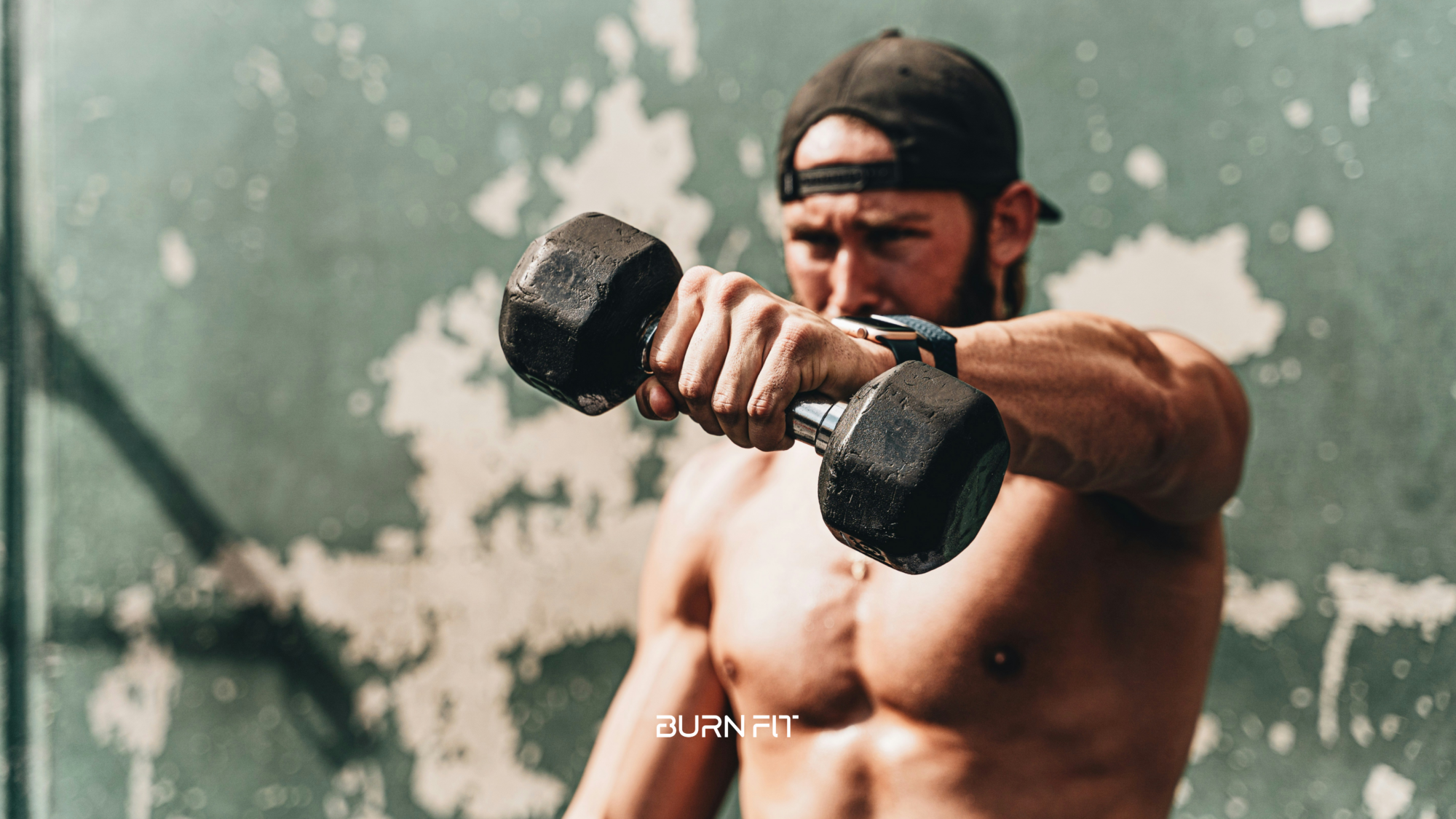
BurnFit Helps You Track Real Strength
Progress is difficult to notice day by day.
Grip strength improves slowly.
Hang time increases gradually.
Pulling movements feel more stable over months, not overnight.
That is why tracking matters.
Not just the weight.
The details.
- How long you held the bar
- When your grip gave out
- Which exercises challenged you most
- Which pulling movements finally felt controlled
Progress becomes easier to understand once it is recorded.
Because real strength rarely changes dramatically in a single session.
It builds quietly.
Just like good training does.
If you want bigger lower arms, stronger grip strength, and better pulling performance, consistency matters more than intensity.
Track it.
Build it slowly.
And let the results accumulate.
Key Takeaways
- Forearms are one of the few muscles always visible, even in everyday clothing.
- Grip strength affects nearly every major pulling exercise.
- Most people overtrain biceps and neglect forearm development.
- The best forearm exercises often involve heavy gripping and sustained tension.
- Tracking grip strength and pulling performance helps build long-term progress.
BurnFit
Log it, Live Better.


Glute Exercises: 3 Key Points for Building Toned Glutes
Thigh Muscle Exercises: 3 Key Points for Stronger Legs
Why Is Resistance Training Essential as You Age? 5 Key Benefits for Maintaining Muscle and Strength
How to Do the Dumbbell Lateral Raise in 5 Steps: Maximize Side Delt Activation
🔥 Top 10 Gym Workouts by Age Group: BurnFit Data Analysis
Progressive Overload: 5 Ways to Build Muscle
💪 Best Exercises by Muscle Group: Top 5 Most Popular Picks from BurnFit Data
2 Set Strategies to Increase Your Deadlift: Pyramid vs. Reverse Pyramid
🌎 Top 10 Popular Workouts by Country from BurnFit Users