

2. You Must Get Deep Sleep After the Workout
To achieve peak condition the next day, ‘sleep’ is just as important as exercise. According to research from Johns Hopkins Medicine, appropriate exercise increases the proportion of ‘Slow-wave sleep,’ the deepest stage of sleep.
While we are awake, metabolic waste (fatigue substances) accumulates in the brain. These substances are most efficiently cleared during slow-wave sleep, and a workout performed the previous evening perfectly facilitates this cleaning process.
Stage 1 (Sleep Mode Transition): Exercise raises body temperature. As your temperature drops back down near bedtime, the brain enters an optimal sleep mode.
Stage 2 (Deep Sleep Maximization): Thanks to the healthy physical fatigue from energy consumption, the proportion of deep, restorative sleep (slow-wave sleep) increases explosively. In this stage, the brain converts information into long-term memory and restores the hippocampus. The effects of BDNF are finalized here.

- Stage 3 (Brain Function Reset): While sleeping, the brain clears out fatigue substances and reorganizes complex neural networks.
In short, it is a virtuous cycle
: [Exercise → Deep Sleep → Fatigue Recovery & Cognitive Boost].
This is why your head feels exceptionally clear and refreshed the day after exercising when tired and getting a good night’s rest.
3. Recommended Light Routines for Exercising When Tired
Exercising when tired doesn’t mean you need to lift heavy weights or do gasping, high-intensity workouts. In fact, high-intensity exercise when you are drained can be counterproductive, raising cortisol levels and hindering sleep. For tomorrow’s condition, a ‘low-to-moderate intensity workout’ that wakes up the brain is enough.
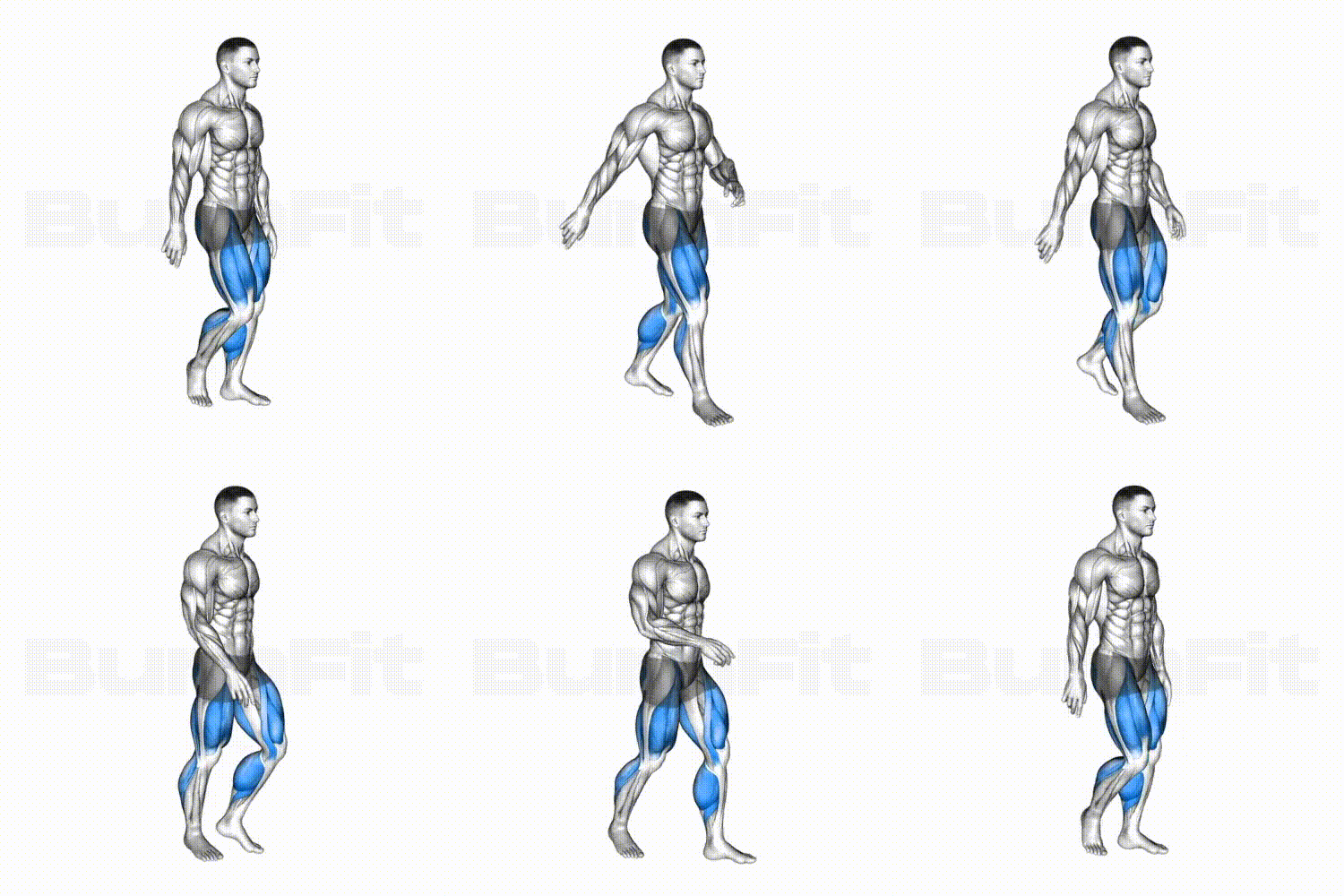
- Brisk Walking (20–30 min)
: Walking fast enough to get slightly out of breath is sufficient.
This is the most accessible moderate exercise.
- Cycling
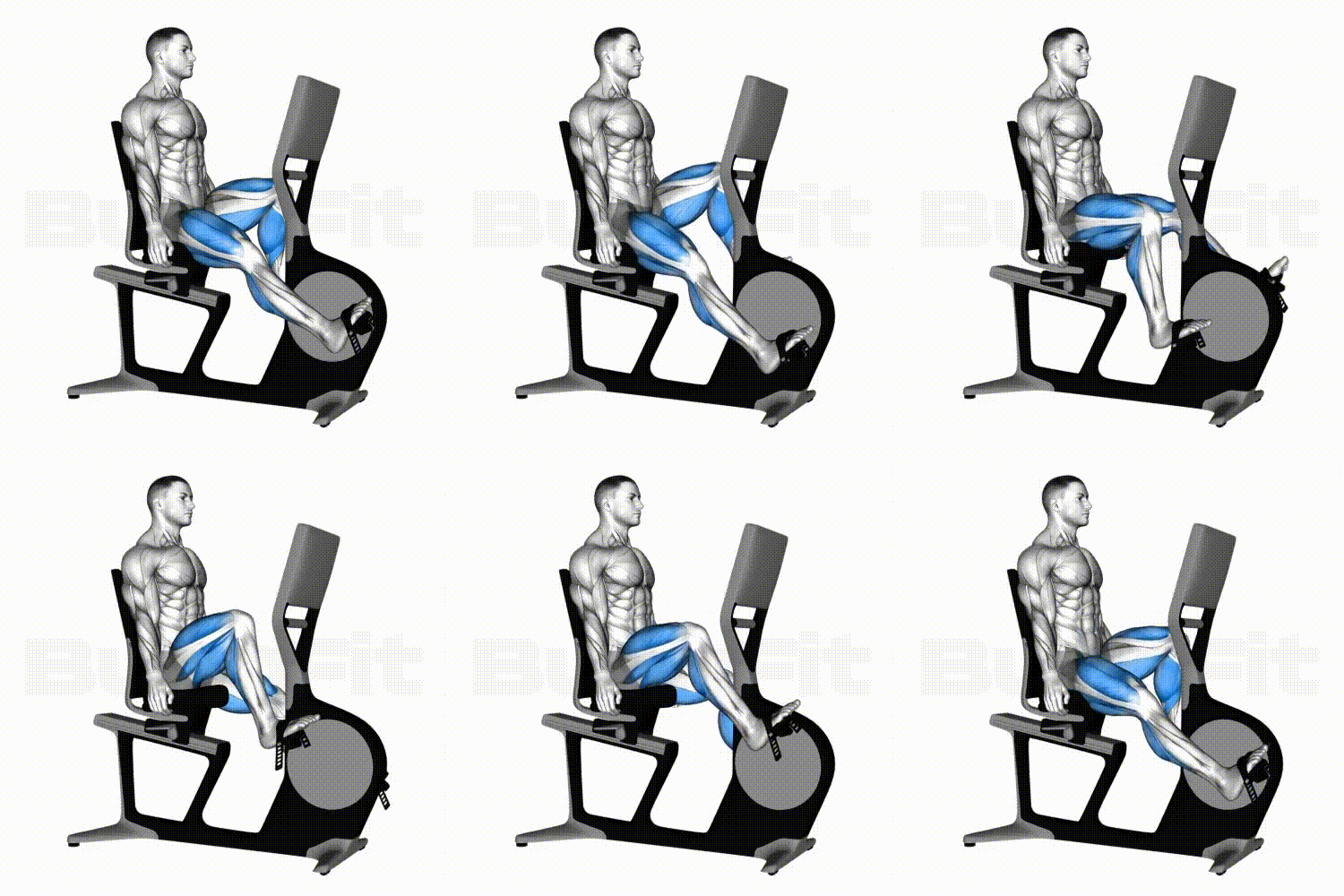
: Both outdoor and indoor cycling are great. They promote blood flow without straining joints, helping clear brain fatigue.
- Climbing Stairs
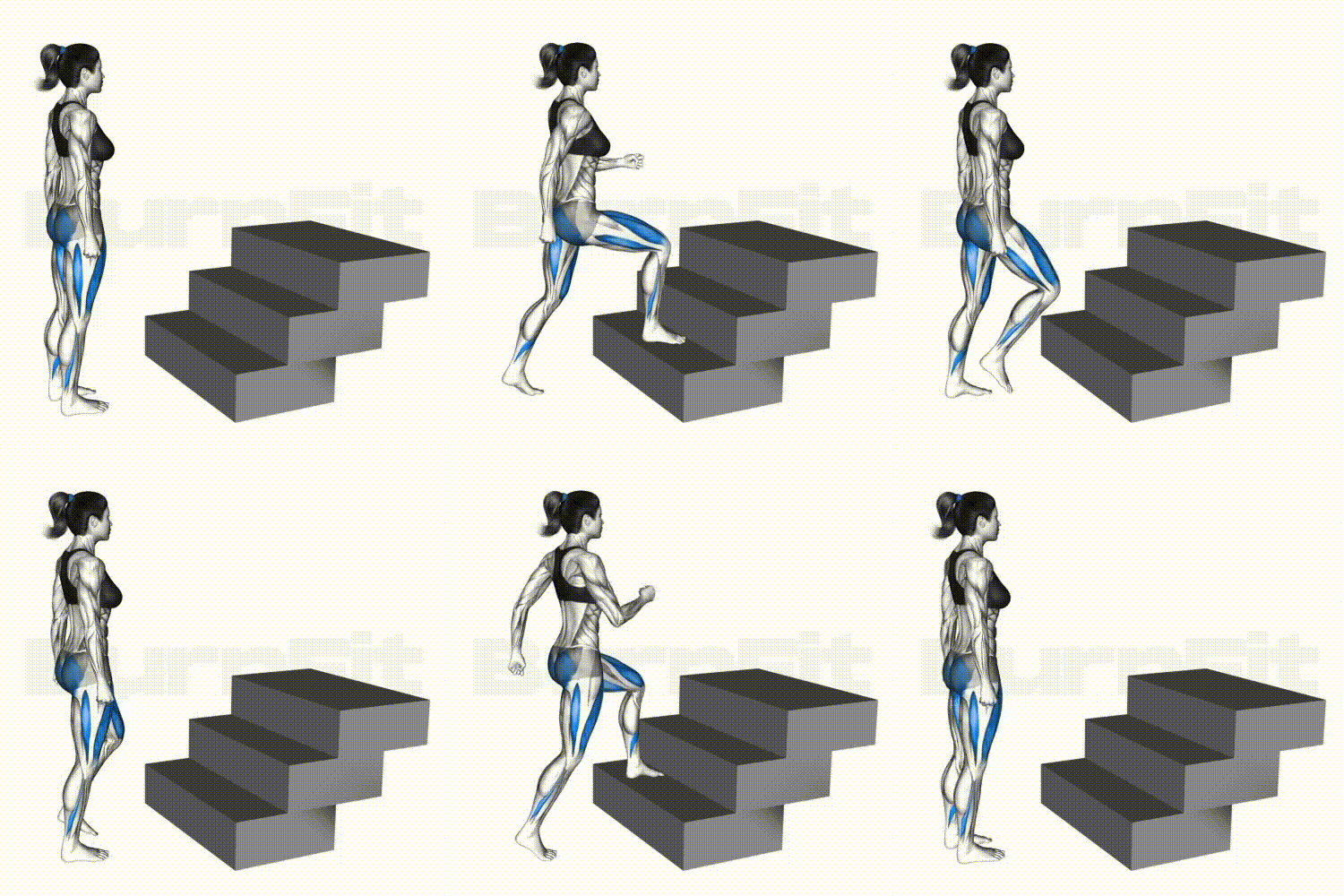
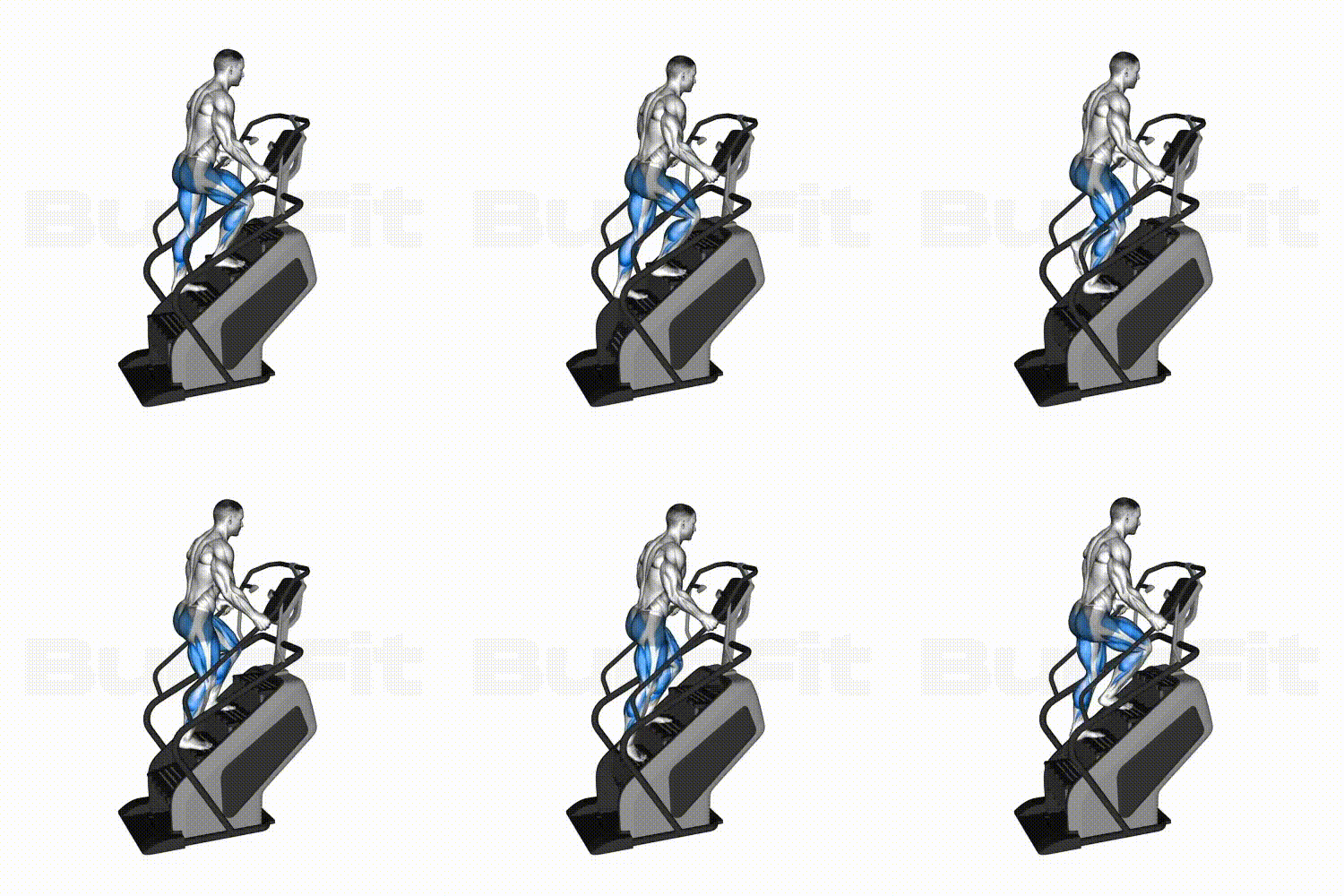
: Climbing just 3–4 flights of stairs is enough to elevate your heart rate and flip the brain’s “on” switch.
- Light Full-Body Workout
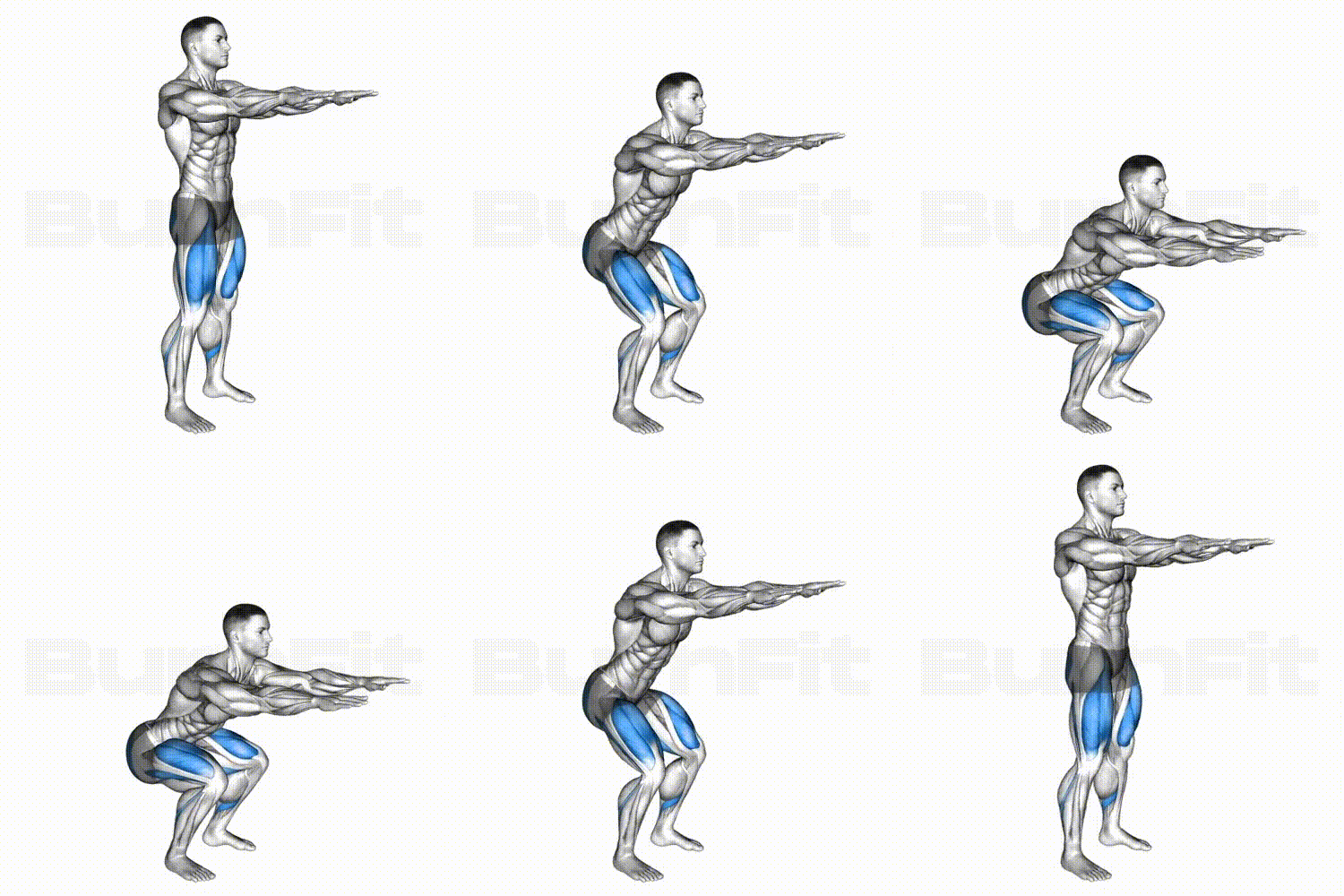
: Use gym machines at half your usual weight or do 15 minutes of bodyweight squats and stretching. This helps flush out waste from muscles.
- Finish 2–3 Hours Before Bed
: Your body temperature needs to drop naturally for deep sleep.
It’s better to finish with some time to spare.
🔥 Finish Your Day by Recording Your Workout
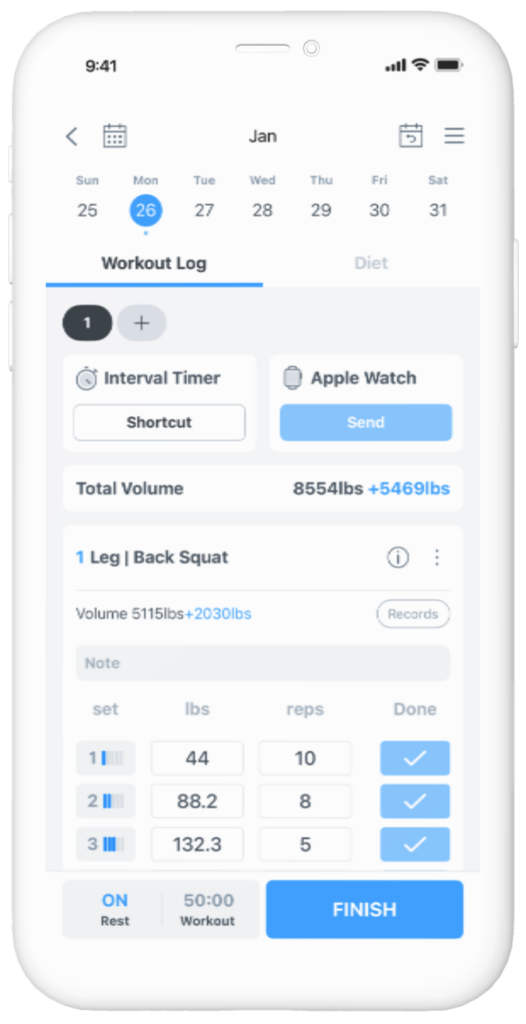
Log your light movement on the ‘BurnFit’ app.
“I moved for 20 minutes yesterday, and my focus is much better today.”
Note your peak condition the next morning as well. As this data accumulates in an intuitive app, your preference for exercise will grow, and your efficiency will rise simultaneously. Consistent logging turns exercise into a perfect habit.


Strength Training for Beginners: 5 Exercises, Benefits & Routine
Hevy vs BurnFit: Which Workout Tracking App Fits the Way You Train?
7 Key Lower Body Strength Exercises for Every Muscle Group
Glute Exercises: 3 Key Points for Building Toned Glutes
Thigh Muscle Exercises: 3 Key Points for Stronger Legs
Why Is Resistance Training Essential as You Age? 5 Key Benefits for Maintaining Muscle and Strength