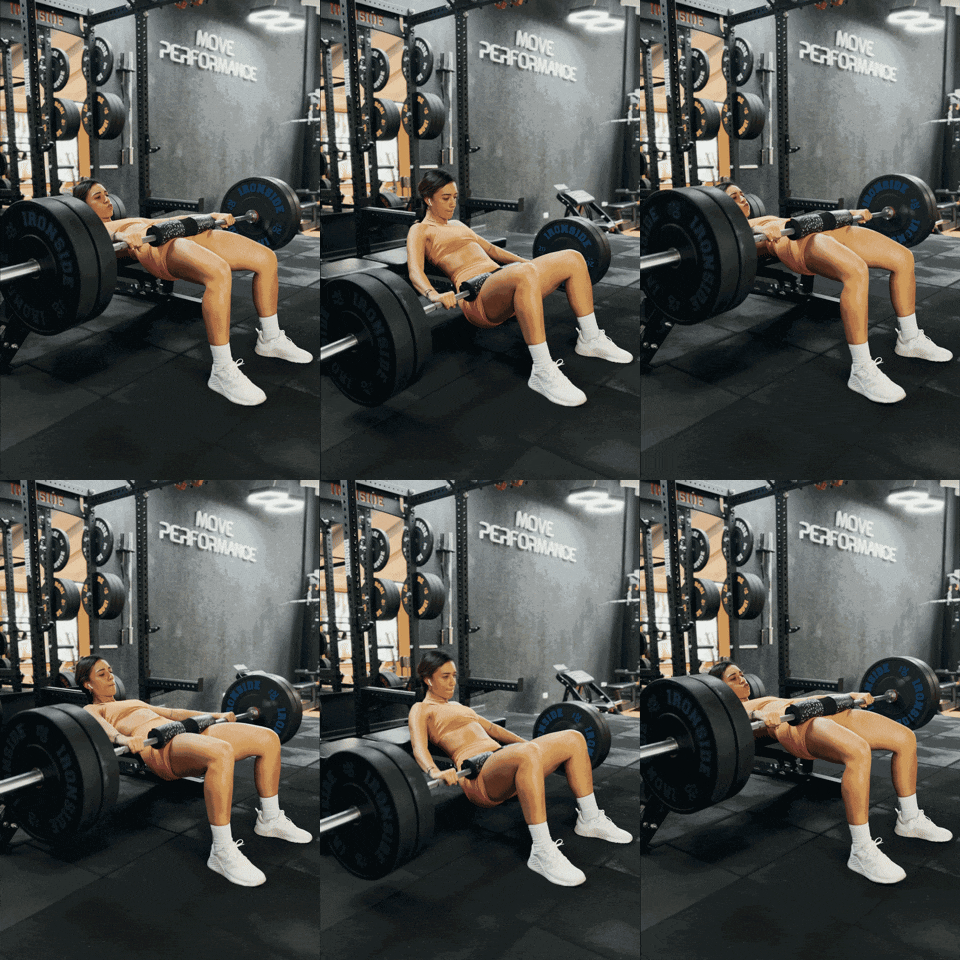

🍑 Part 1. Ultimate Glute Activation: How to Hip Thrust Properly
If you feel the burn in your thighs or lower back instead of your glutes while doing a hip thrust, there is a 99% chance your form is incorrect. Be sure to check these 4 essential pointers to maximize glute recruitment without injury.
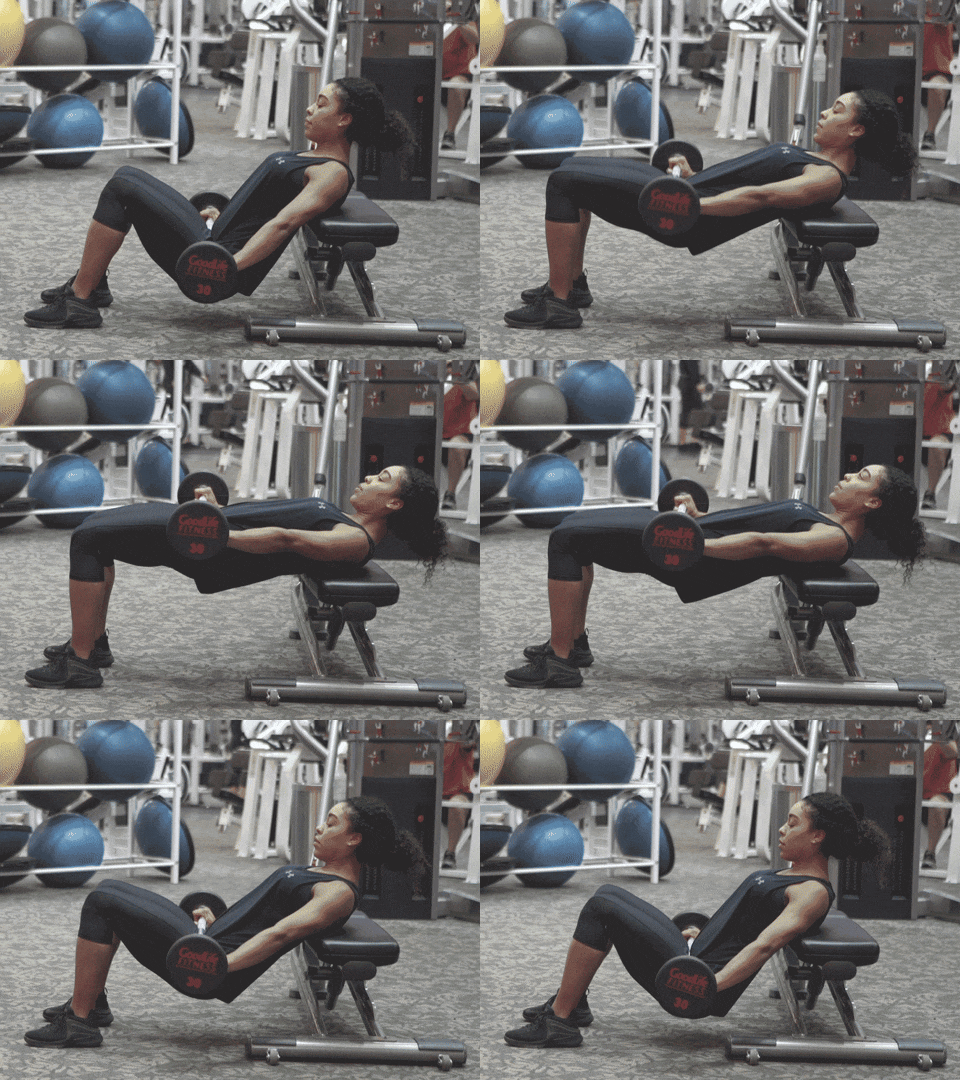
- 1. Foot Placement: Keep Your Shins Vertical!
- If your feet are too far forward, the tension shifts to your hamstrings (back of thighs). If they are too close, your quadriceps (front of thighs) will burn out first.
- Correct Form: When your hips are fully locked out at the top, your shins must be perfectly vertical (90 degrees to the floor) when viewed from the side. This ensures your glutes bear the entire weight.
- 2. Bench Support: Pivot at the Base of Your Shoulder Blades
- Placing your back too high (near the neck) or too low (near the lower back) on the bench compromises stability and leads to lower back strain.
- Correct Form: Rest the lower edge of your shoulder blades (scapulae) right on the edge of the bench. This creates a secure pivot point for a smooth up-and-down motion.
- 3. Head Position and Chin: Tuck Your Chin and Look Forward
- Tilting your head back as you lift your hips causes excessive hyperextension of the lower back, placing immense pressure on your spine.
- Correct Form: Keep your chin tucked and your gaze fixed forward throughout the entire movement. As your hips rise, let your eyes naturally track forward and slightly downward to maintain a neutral spine.
- 4. Pelvic Locking (Posterior Pelvic Tilt)
- Simply pushing your hips upward often forces your spinal erectors (lower back) to do the work.
- Correct Form: At the very peak of the movement, pull your belly button toward your spine and slightly tuck your tailbone inward. This solidifies the pelvic lock and fully squeezes the glutes at 100% capacity.
💪 Part 2. From Bodyweight to Machines: Types of Hip Thrusts
Once you have mastered the proper form in Part 1, it is time to expand your routine using different equipment and machines based on your fitness level. We highly recommend starting with bodyweight to nail down the contraction before progressively overloading with weight.
- 1. Bodyweight Glute Bridge | Finding the Baseline Mind-Muscle Connection
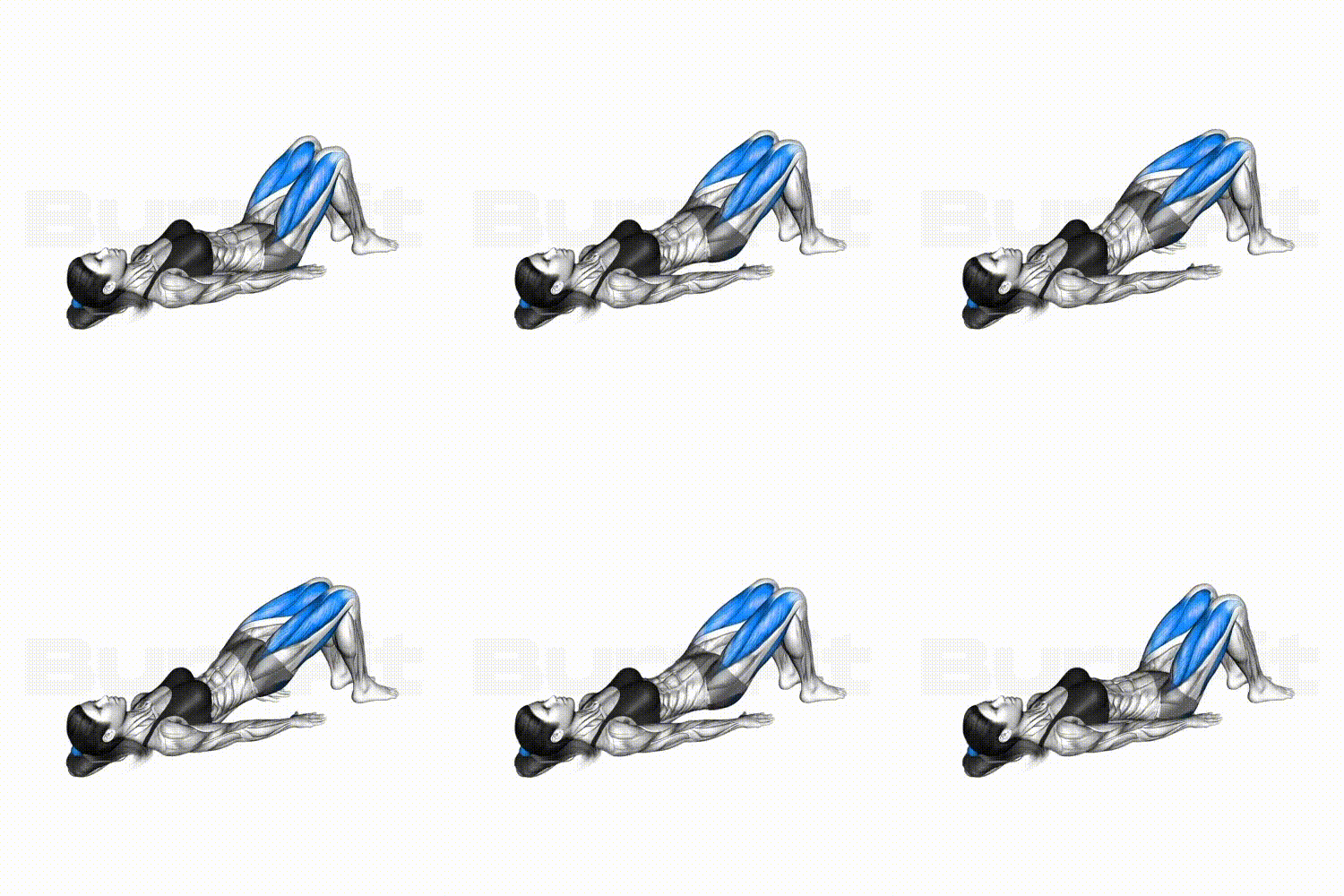
Recommended Volume: 20 reps x 4 sets
Execution: Lie flat on a mat with your knees bent and feet hip-width apart. Drive through your heels to lift and lower your pelvis.
Key Point: Before transitioning to a bench, this floor-based variation is the best foundational step to feel pure glute contraction by raising your hips until your upper body and thighs form a straight line.
- 2. Bodyweight Hip Thrust | Expanding the Range of Motion (ROM)
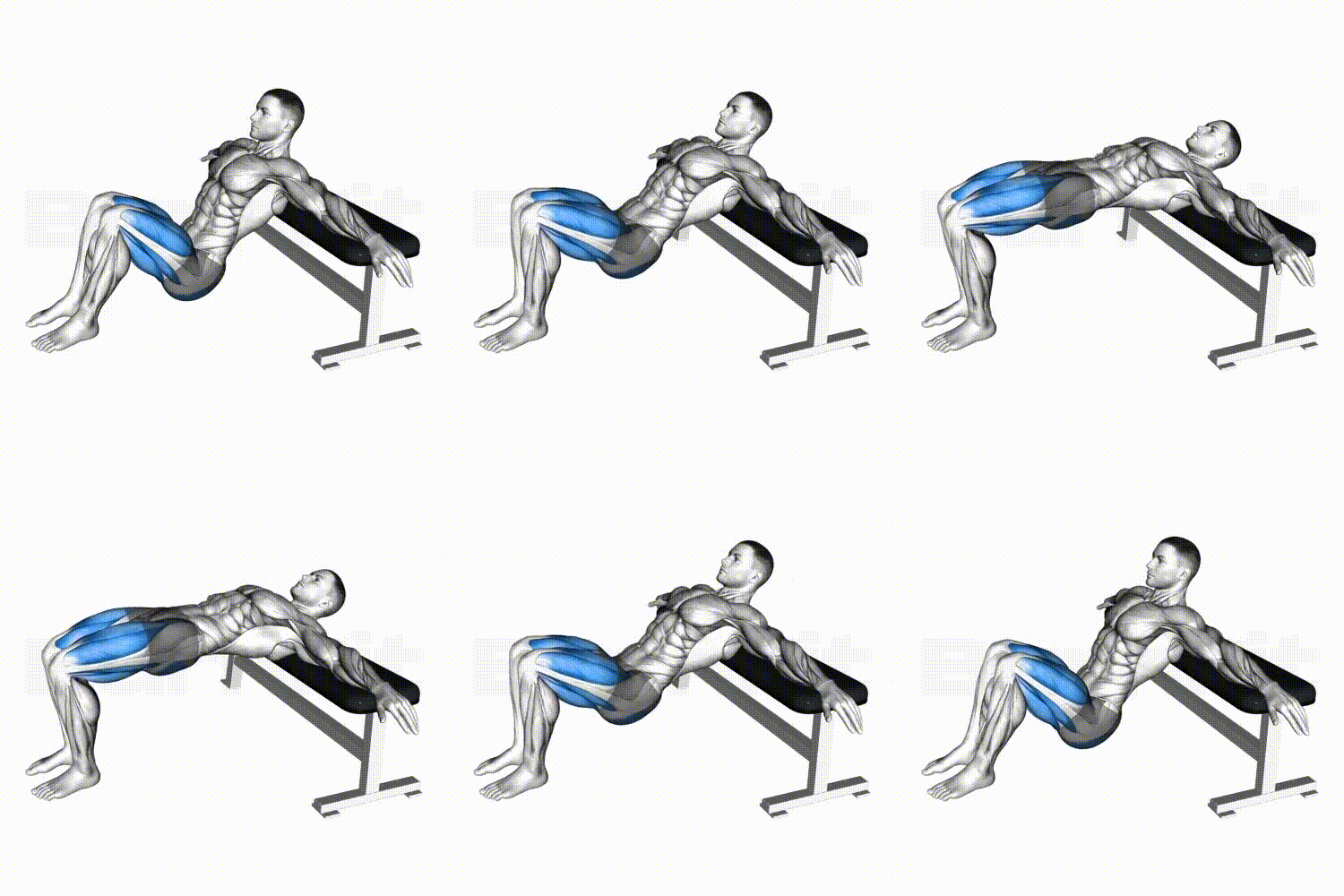
Recommended Volume: 20 reps x 4 sets
Execution: Lean your upper back against a bench (or a sturdy sofa/chair). With your knees at 90 degrees, use only your glute strength to drive your hips up and down vertically.
Key Point: It offers a much larger range of motion than a floor bridge because of the elevated pivot point. Moving up and down while leaning against the bench provides a deeper stretch and a more powerful contraction.
- 3. Barbell Hip Thrust | The King of Progressive Overload
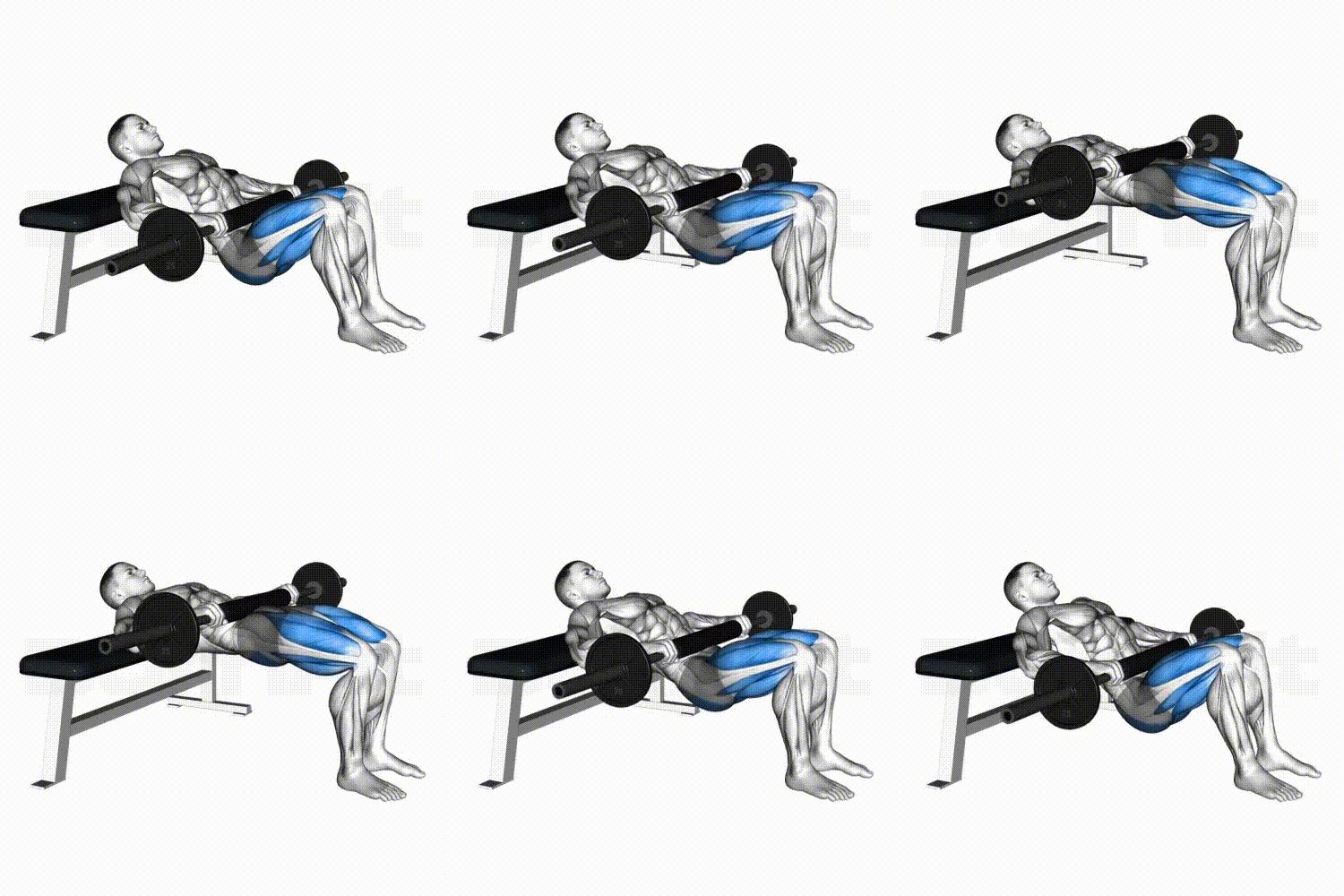
Recommended Volume: 12 reps x 4 sets
Execution: Rest your upper back on a flat bench and place a padded barbell across your pelvis. Drive hard through your heels, lifting and lowering the barbell using your glutes.
Key Point: This is the ultimate exercise for lifting heavy weights, which is essential for glute hypertrophy. Always use a thick barbell pad or a rolled-up yoga mat to protect your hip bones. Looking forward and locking the pelvis are absolutely critical here.
- 4. Hip Thrust Machine | Safe and Precise Isolation
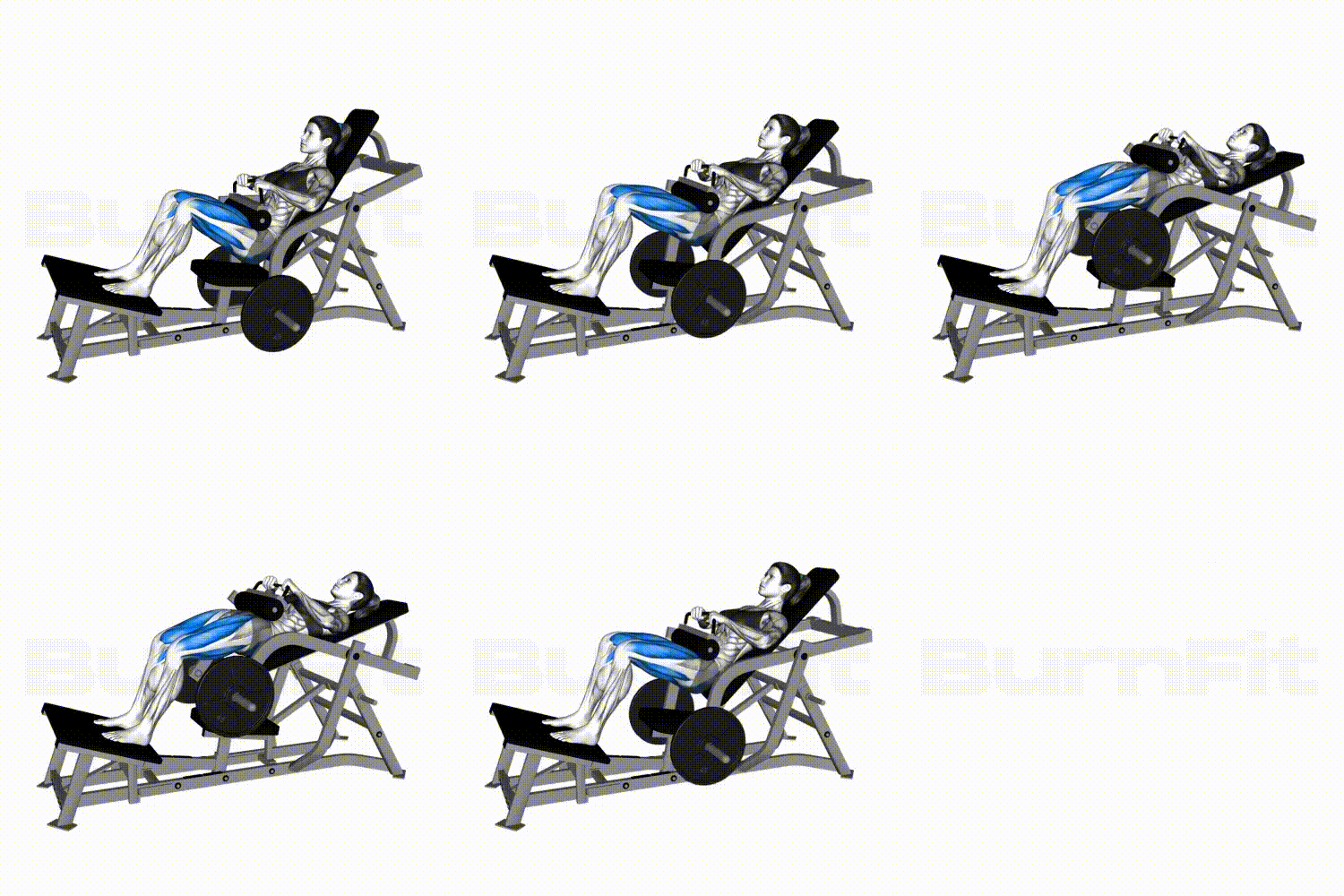
- Recommended Volume: 12 reps x 4 sets
Execution: Sit in the machine and securely fasten the belt or pad over your lap. Lean against the backrest and drive the weight up and down along the machine’s fixed track using your glutes.
Key Point: It eliminates the need to balance a barbell, minimizing injury risk while offering excellent isolation. If your gym has this machine, it is highly recommended for safe and accurate glute targeting. (If unavailable, substitute with barbells or bodyweight variations.)
💡 Quick Tip for BurnFit App Users!
When searching in the BurnFit app, exercises like ‘Weighted Abdominal Hip Thrust’ or ‘Abdominal Hip Thrust’ may pop up. Despite having ‘Hip Thrust’ in their names, these are actually core exercises targeting the abs. Be sure not to mix them up when building your glute routine!
🔥 Record Your ‘Hip Thrust’ on BurnFit and Start Growing
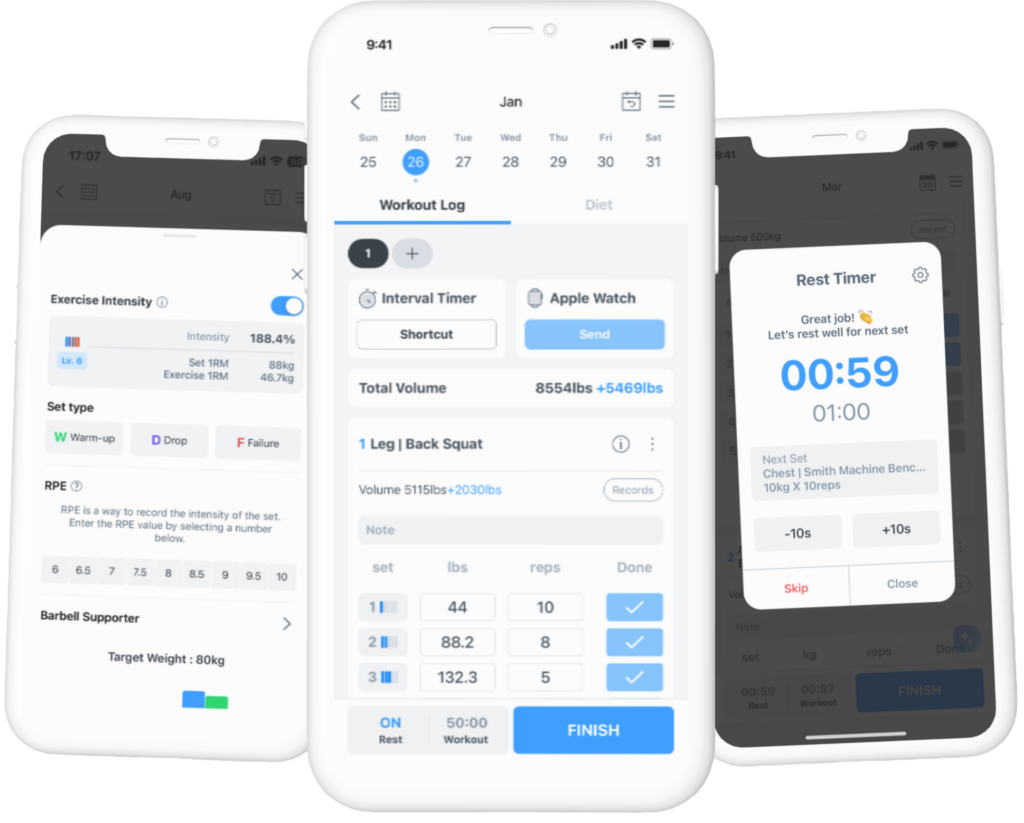
To build bigger glutes, your muscles need to experience greater stimulus (more weight or reps) than the previous workout so they can tear, recover, and grow. This is the law of ‘Progressive Overload,’ and the workout logging app BurnFit is the most systematic way to manage it.
Set Up a Personalized Routine: Pre-register your chosen hip thrust variations and set goals in the BurnFit app. This cuts down on decision fatigue during your workout, letting you focus entirely on blasting your glutes.
Track Sets and Weights Rigorously: Log exactly how many kilograms you lifted and how many reps you achieved while leaning on that bench last week. This data serves as a clear roadmap for safely pushing your limits today.
Visualize Your Growth Trends: Watching your workout calendar fill up day by day provides an incredible sense of accomplishment. Your accumulated workout data becomes the ultimate fuel for building a sustainable fitness habit.


Seated Cable Row: 3 Tips for Better Form
Strength Training for Beginners: 5 Exercises, Benefits & Routine
Hevy vs BurnFit: Which Workout Tracking App Fits the Way You Train?
7 Key Lower Body Strength Exercises for Every Muscle Group
Glute Exercises: 3 Key Points for Building Toned Glutes
Thigh Muscle Exercises: 3 Key Points for Stronger Legs