How Alcohol Affects Your Body and Muscles
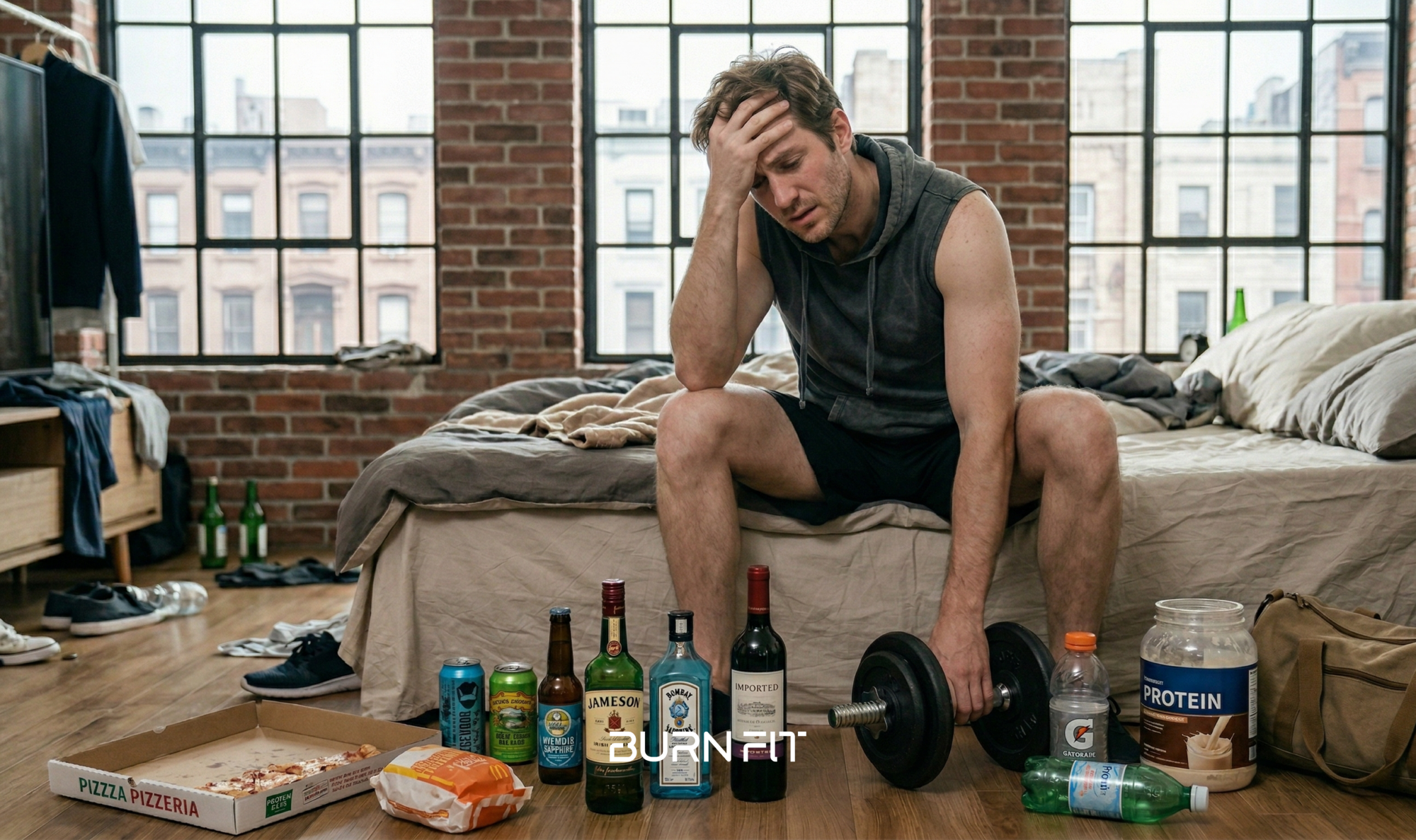
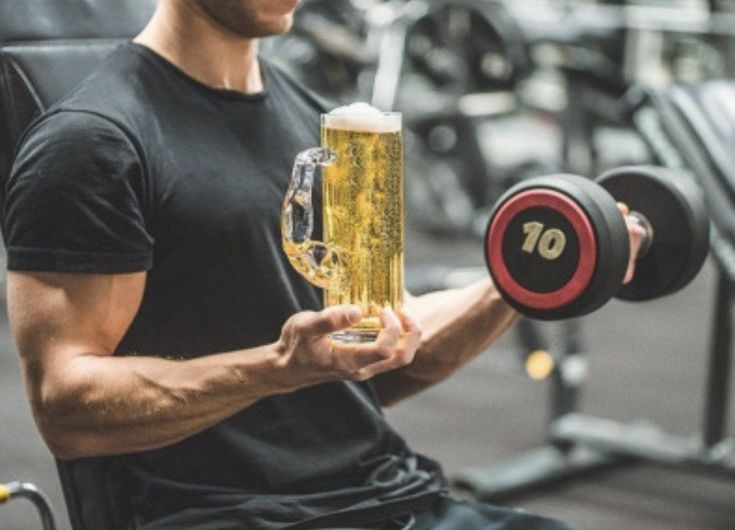
Before heading to the gym, you need to understand what the alcohol inside your body is doing to your muscles and system.
1. The Liver Focuses on Breaking Down Alcohol Instead of Muscle Synthesis
The core organ responsible for synthesizing protein and building muscle is the liver.
However, when alcohol enters the body, the liver prioritizes breaking down the toxic alcohol over muscle synthesis.
As a result, while the alcohol is being processed, your body’s muscle growth is pushed to the back burner.
This is the main cause of the dreaded “muscle loss after drinking.”
2. Hydration Deficit from Diuretic Effects (Dehydration)
Alcohol promotes a diuretic effect, rapidly draining your body of its water.
Since about 70% of muscle is made of water, lifting heavy weights in a dehydrated state puts excessive strain on your joints and ligaments, drastically increasing the risk of injury.
3. Decreased CNS Function and Performance Drop
Having a hangover means your central nervous system hasn’t fully recovered yet. In this state, the weights you normally lift will feel much heavier, and a drop in bodily coordination and focus makes it difficult to maintain a proper lifting path.
—
※ What is the Central Nervous System (CNS)?
: It refers to the brain and spinal cord, which control your body’s movements and senses.
It plays a core role in regulating how strongly your muscles contract during weight training.
Therefore, working out when the CNS is fatigued heightens the risk of injury.
So, Is It Okay to Work Out the Day After Drinking?
To give you the conclusion first: whether working out the day after drinking is safe depends on “how much you drank the day before and your current condition.”
- When you need rest (When you have a severe hangover)
If you have clear hangover symptoms like a splitting headache, heartburn, or severe thirst, you must take a day off. Forcing yourself to do high-intensity lifting or cardio just to “sweat it out” will only worsen dehydration and put massive stress on your cardiovascular system. Alcohol is mainly metabolized and excreted through urine and breathing, not sweat. - When light exercise is okay (After light drinking)
If you only had a glass or two the night before and wake up with no hangover, a light workout the next day is acceptable. However, it’s much safer to lower the intensity and volume rather than forcefully pushing through your usual heavy routine.

A Light Recovery Routine for the Day After Drinking
If you decided that working out the day after drinking is manageable and made it to the gym, we recommend the 4-step recovery routine below.
The key is to avoid strenuous free weights and focus on low-injury-risk machine exercises and blood circulation.
- Step 1. Replenish Hydration and Electrolytes (Essential Before/During/After)
This is the very first thing you should do before starting your workout. To replace the water lost through alcohol’s diuretic effect, you need to drink at least 1.5 times more water than usual. Drinking a sports drink containing electrolytes rather than plain water will significantly increase your hydration absorption rate. - Step 2. Light Cardio Warm-up (10~15 minutes)
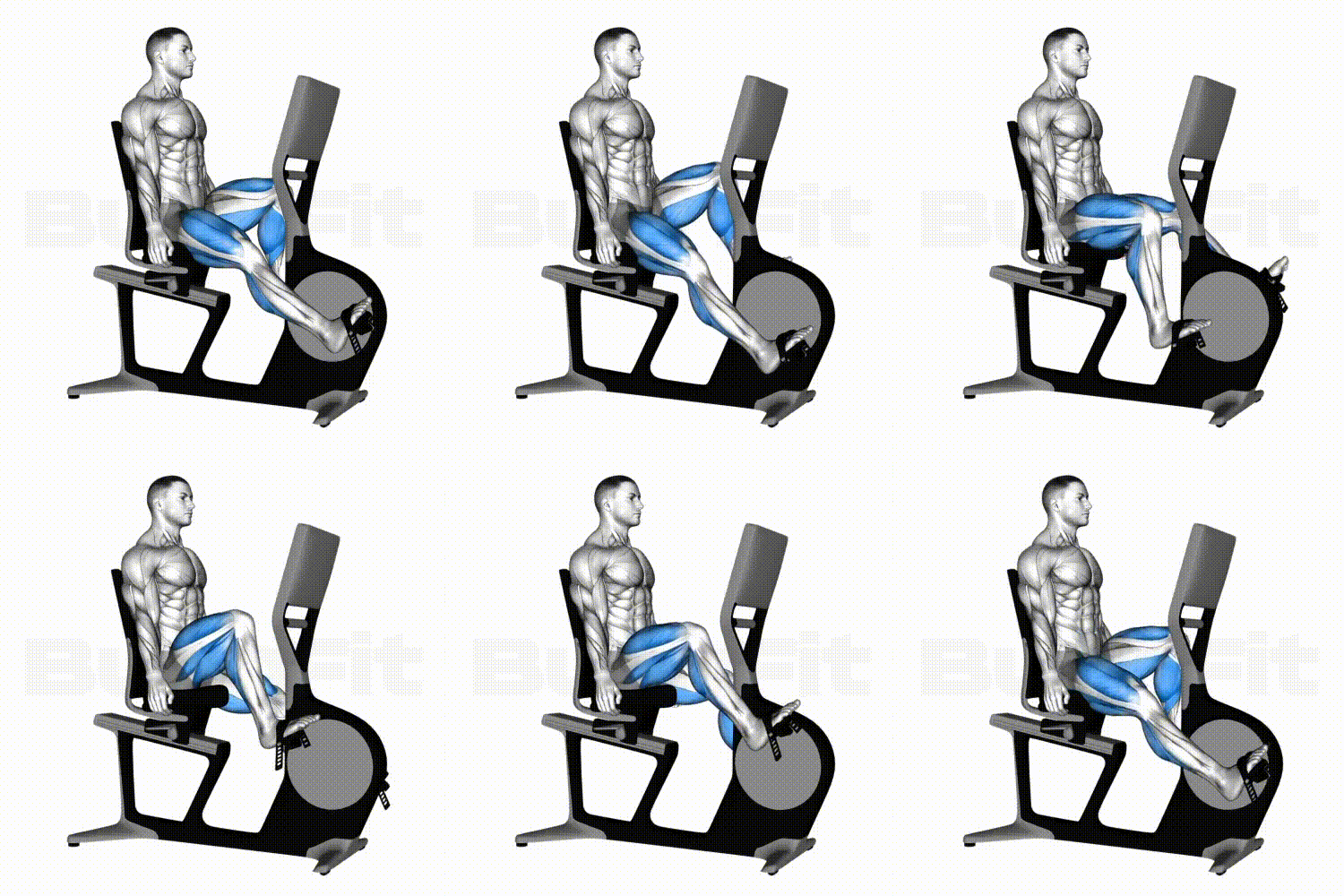
Rather than high-intensity intervals that leave you dripping in sweat, the goal here is to moderately raise your heart rate to increase blood flow and help flush out alcohol metabolites.Treadmill walking (Walking on a slight incline is recommended)

Cycle
Step 3. Low-Risk Machine-Based Weight Training (20~30 minutes)
When your CNS is fatigued, it’s hard to stabilize yourself with dumbbells or barbells. We recommend a full-body machine routine that safely and lightly targets your muscles. Aim for 15+ reps at about 60~70% of your usual weight.Chest: Chest Press Machine, Pec Deck Fly Machine
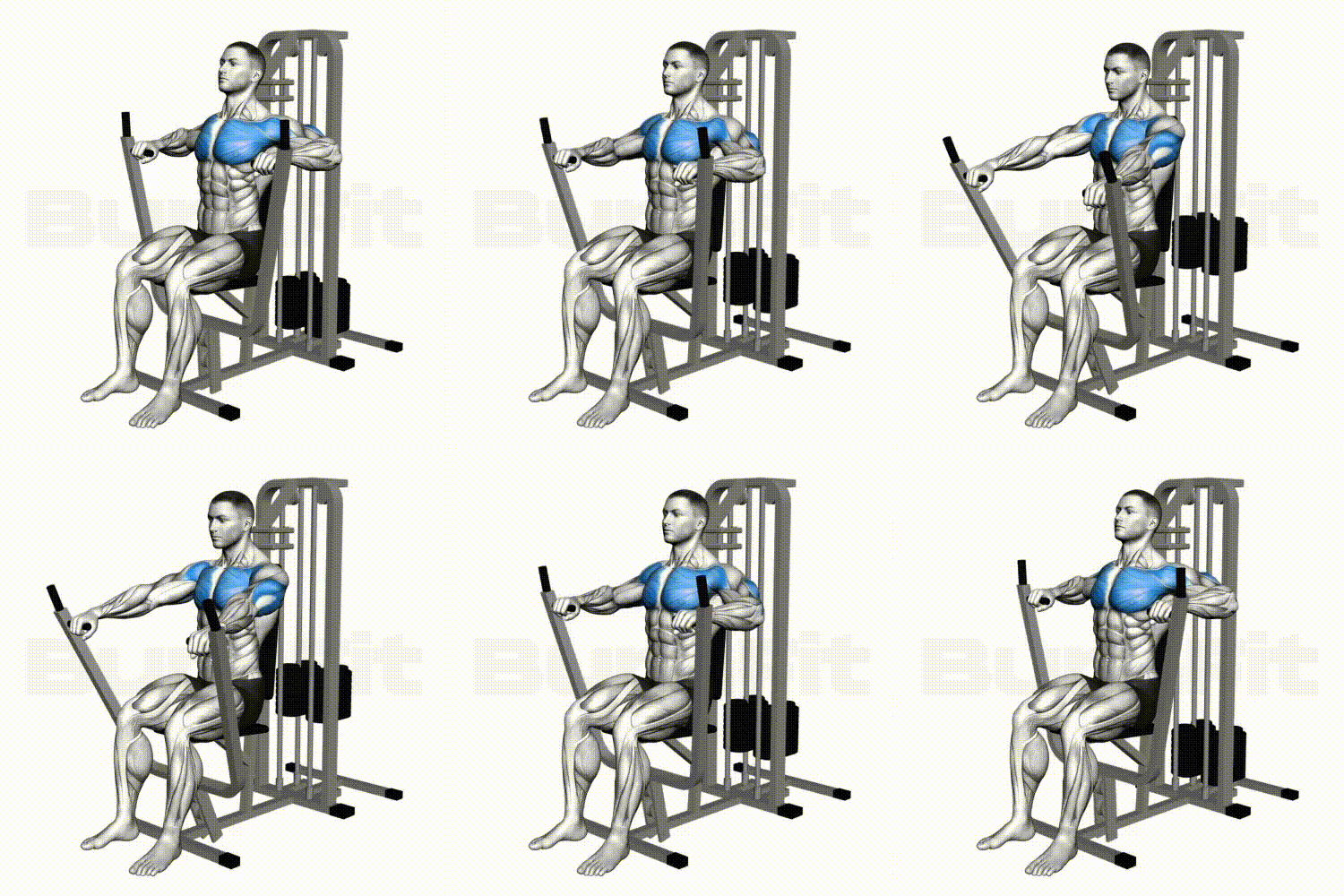
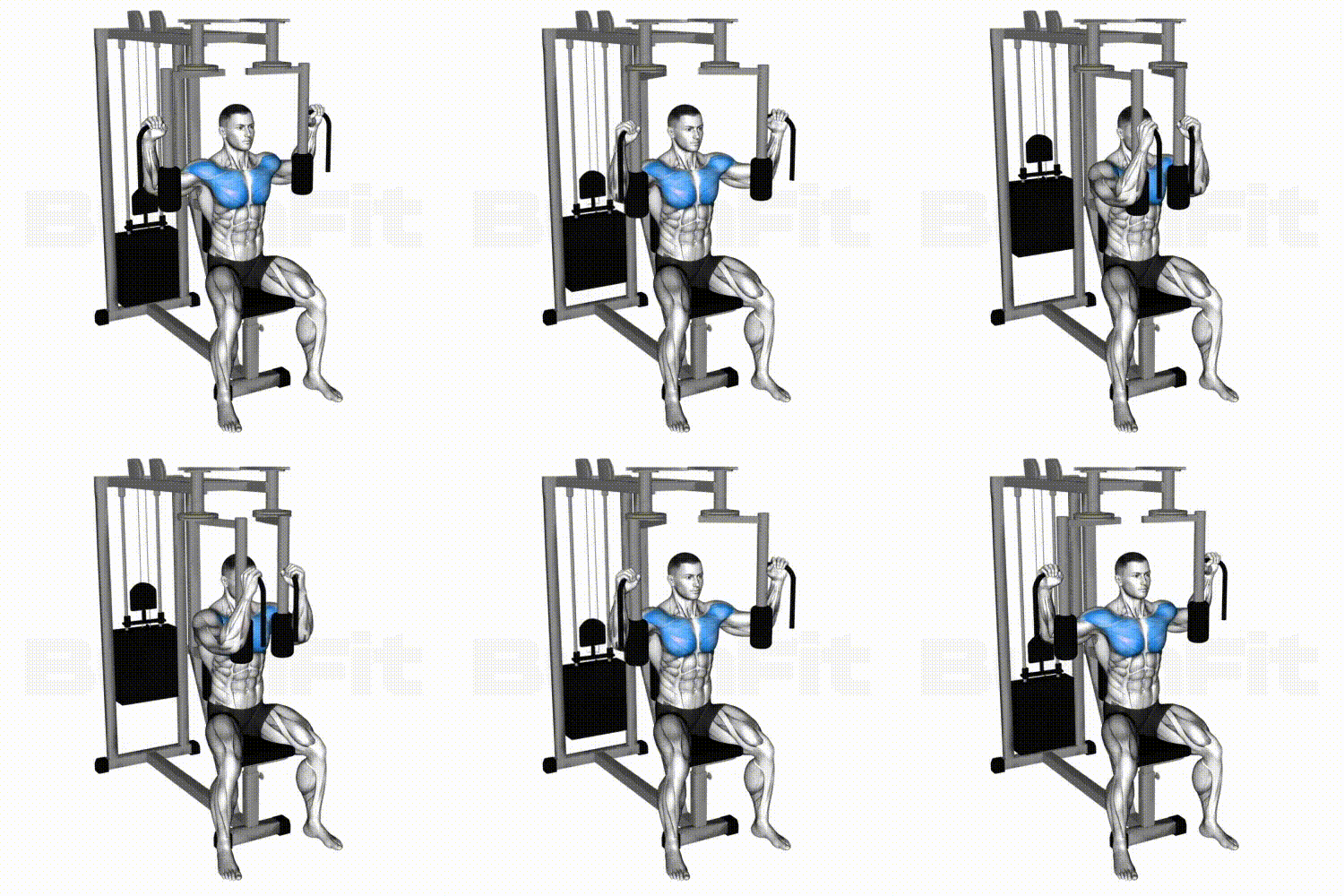
Back: Seated Cable Row, Lat Pull down
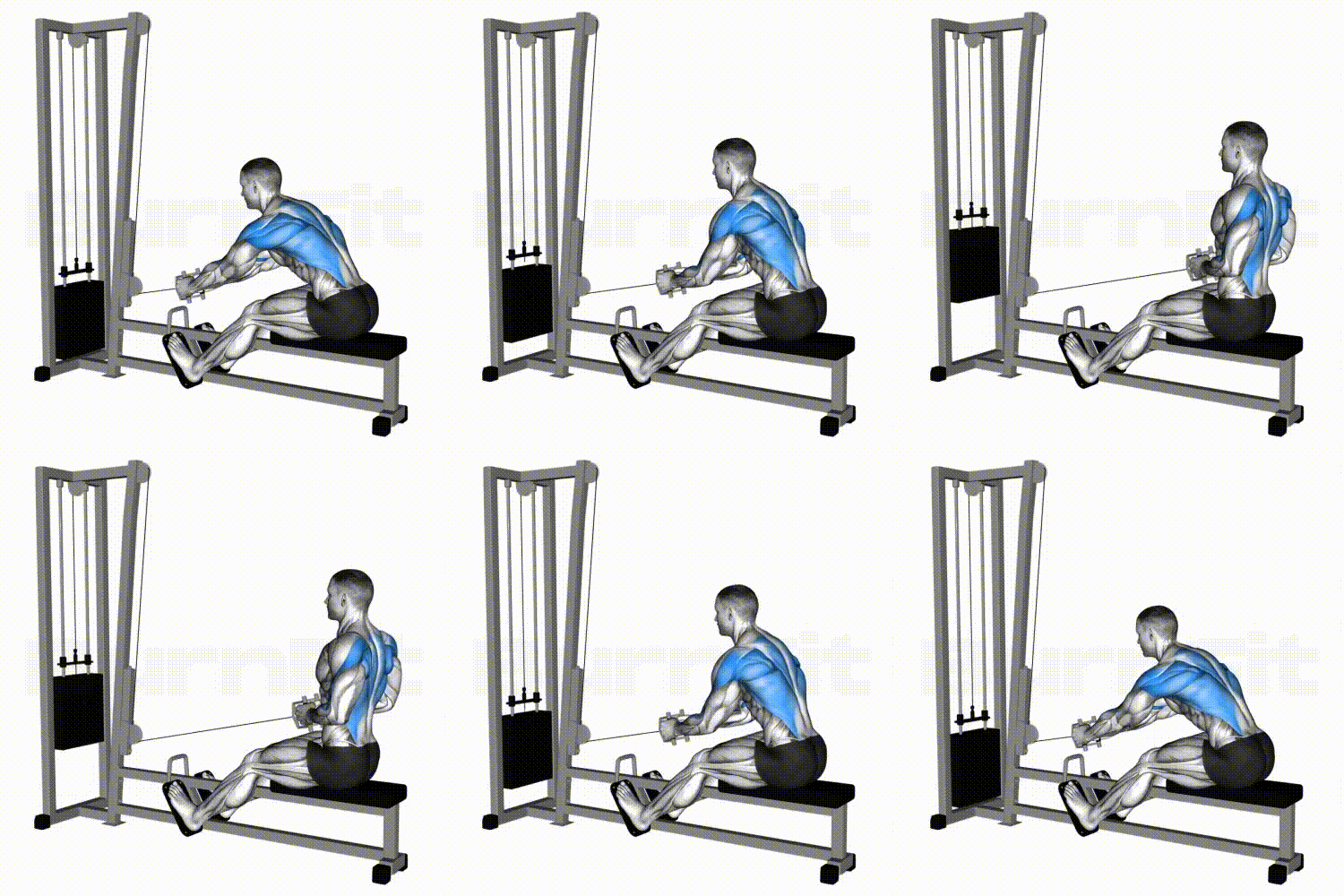
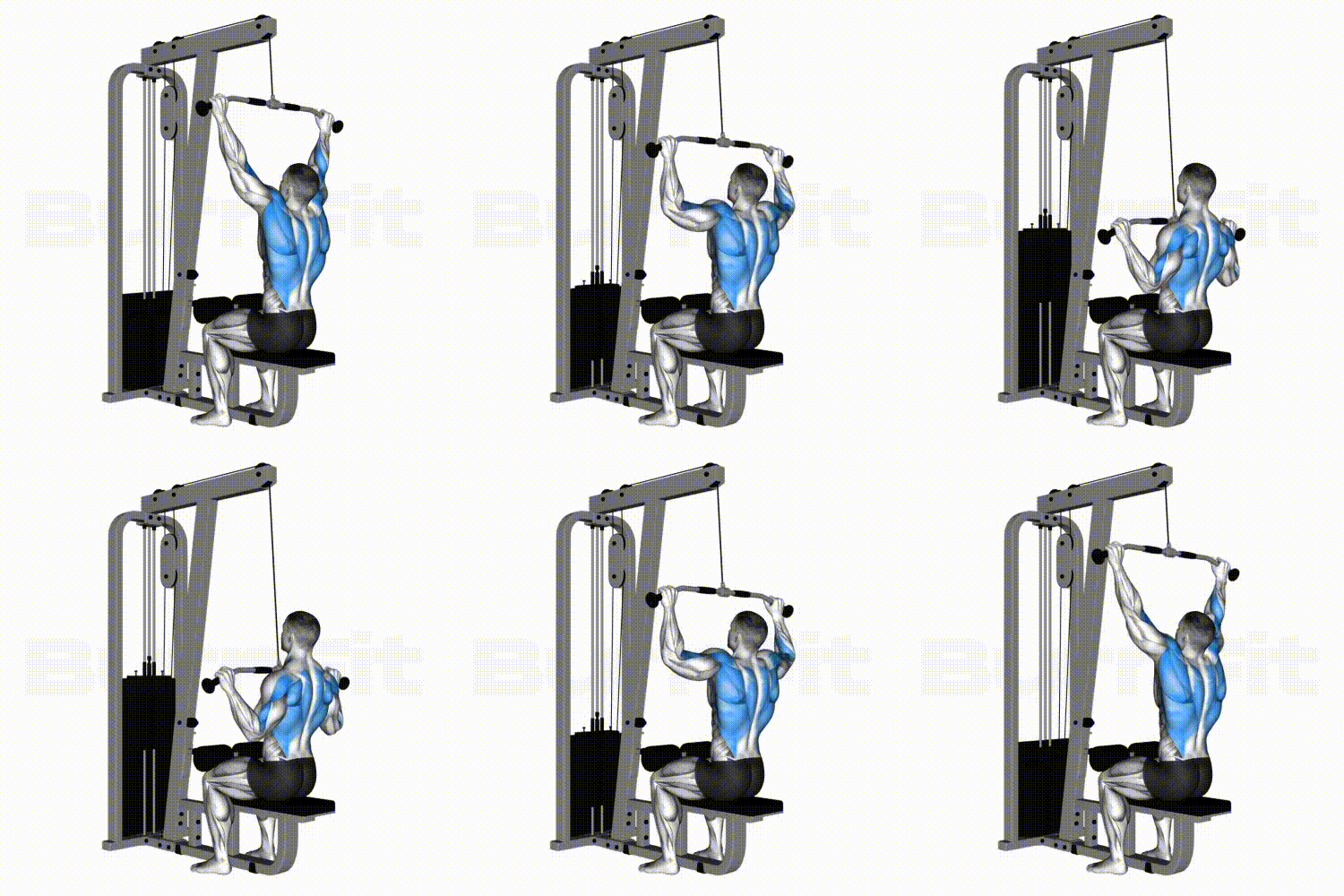
Legs: Leg Extension, Leg Curl
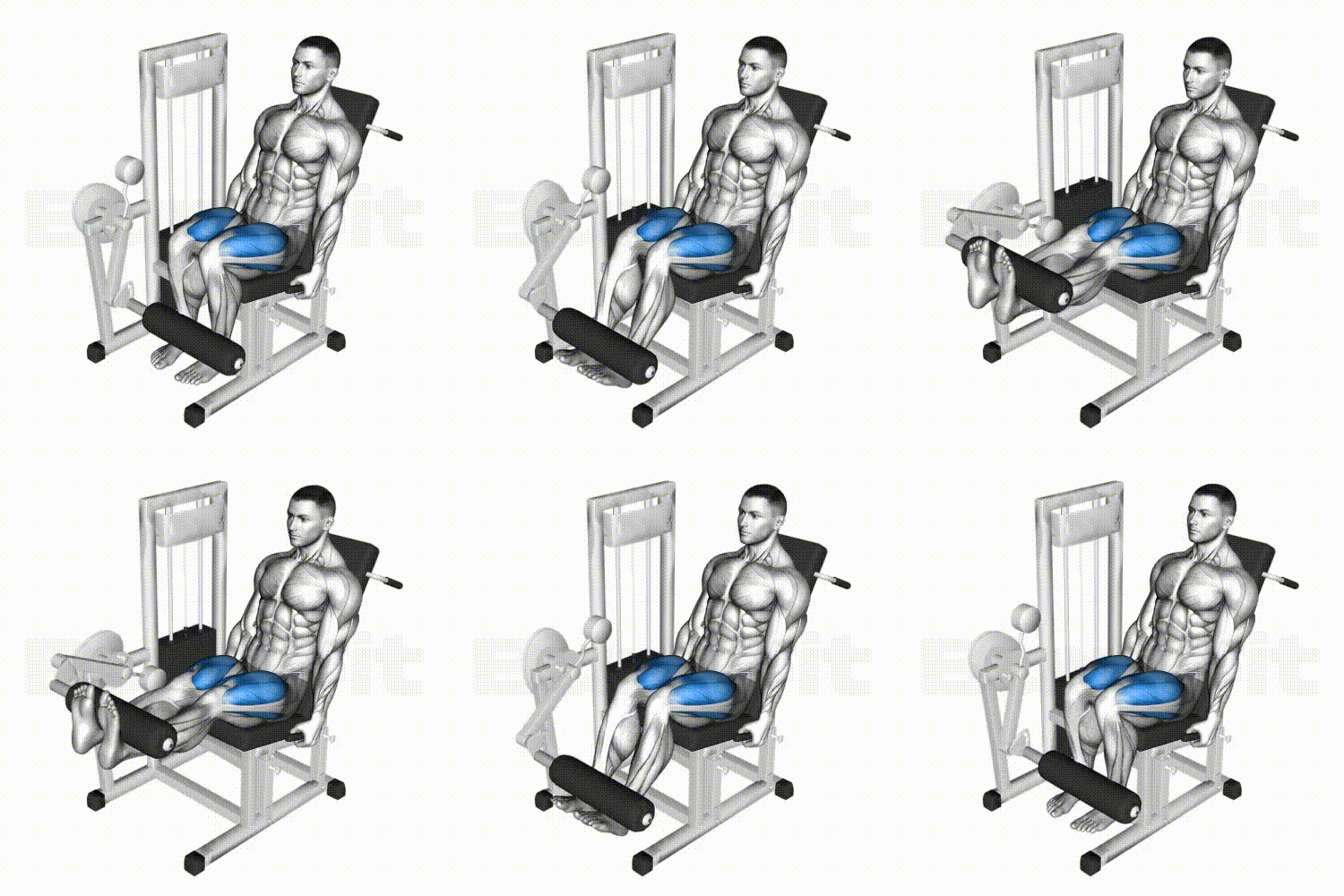
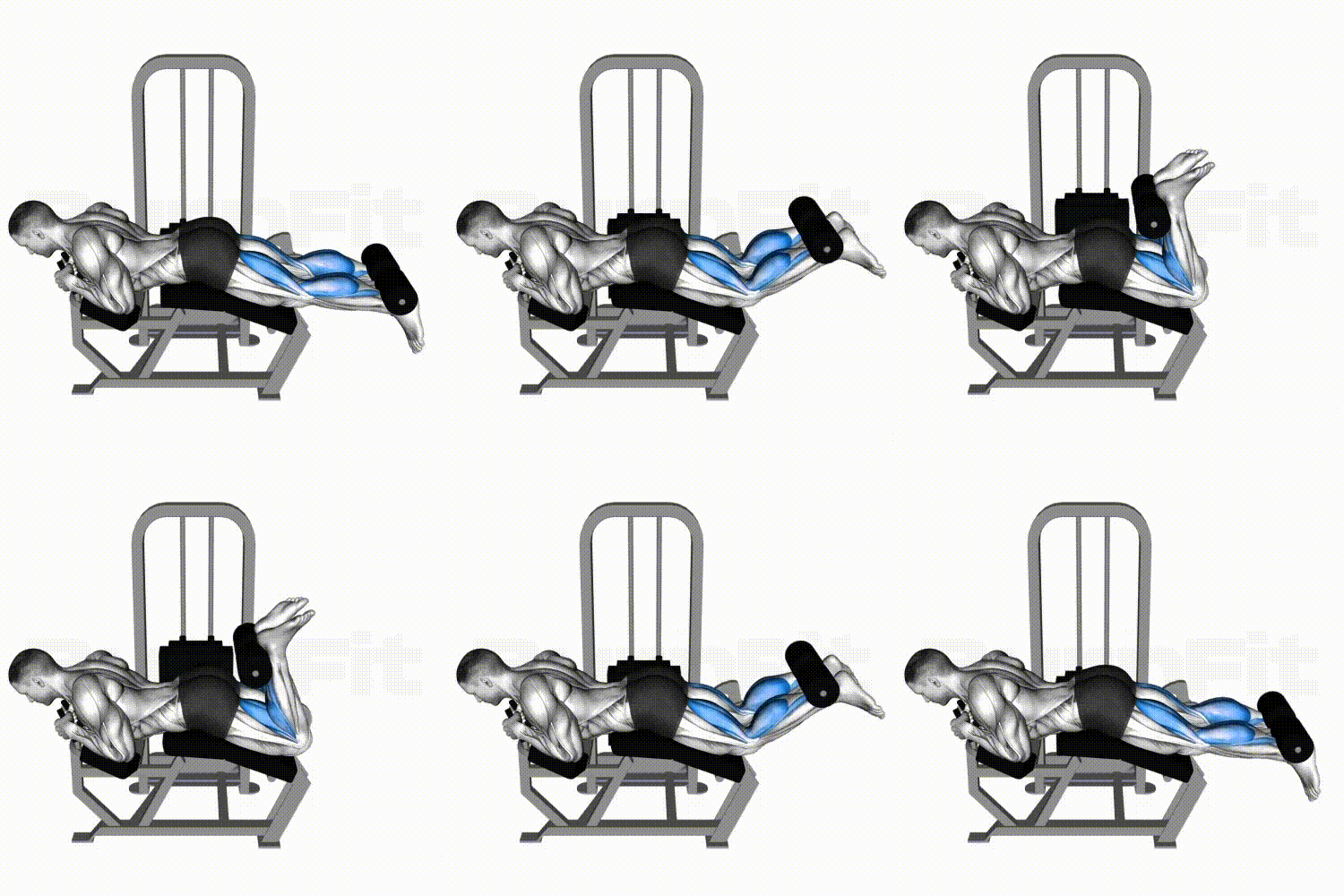
- Step 4. Mobility Stretching to Loosen Stiff Muscles (10 minutes)
Finish your workout by relaxing your muscles. Use a foam roller to release full-body fascia and widen the range of motion in major joints like your hips and shoulders.Full-body foam roller stretching
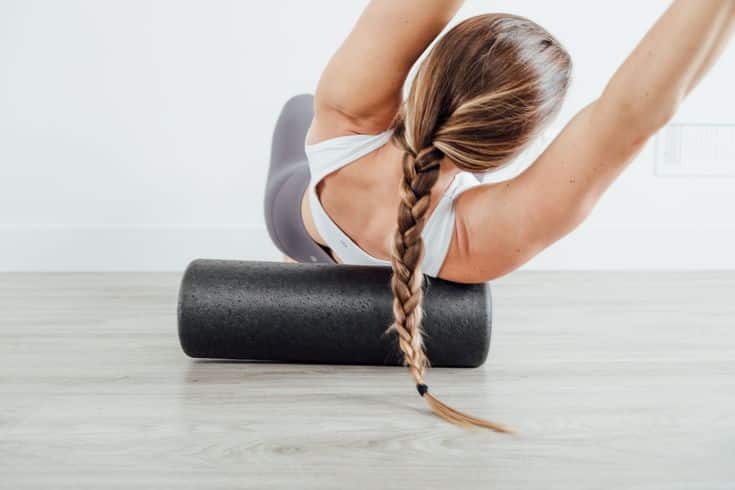
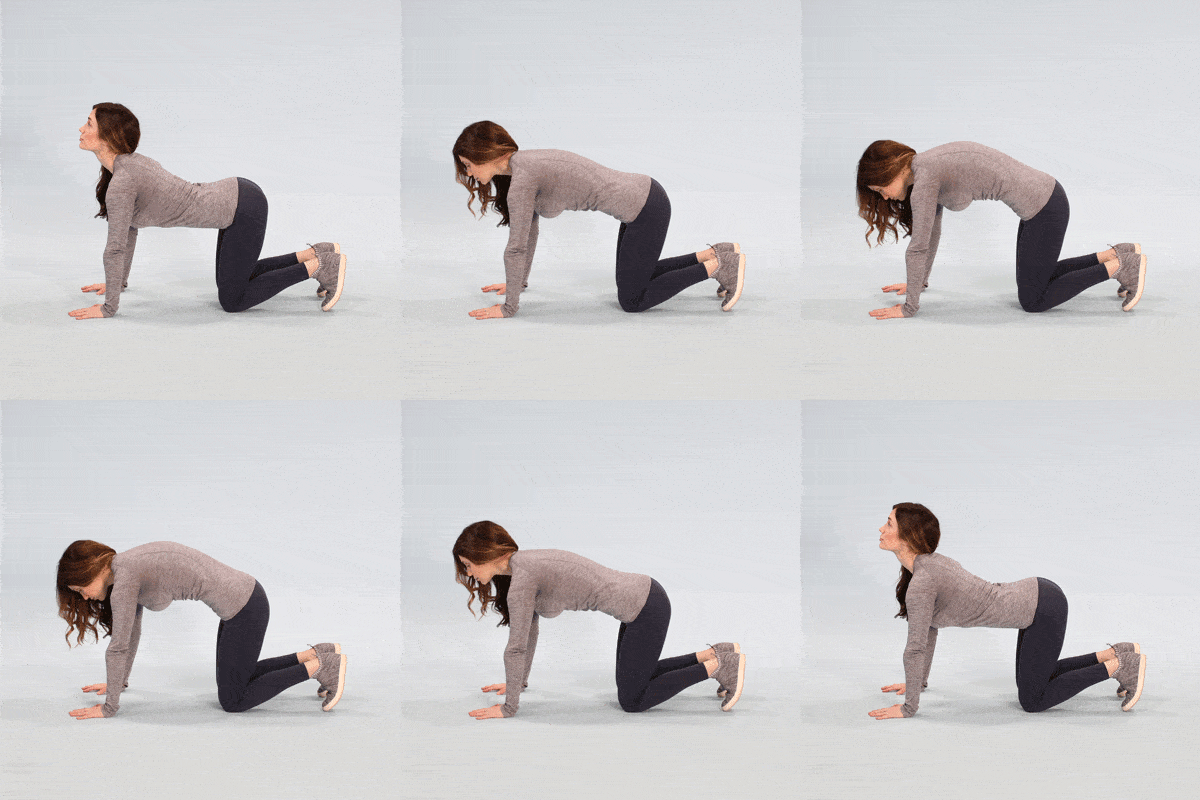
Cat-Cow Stretch (For spinal mobility)