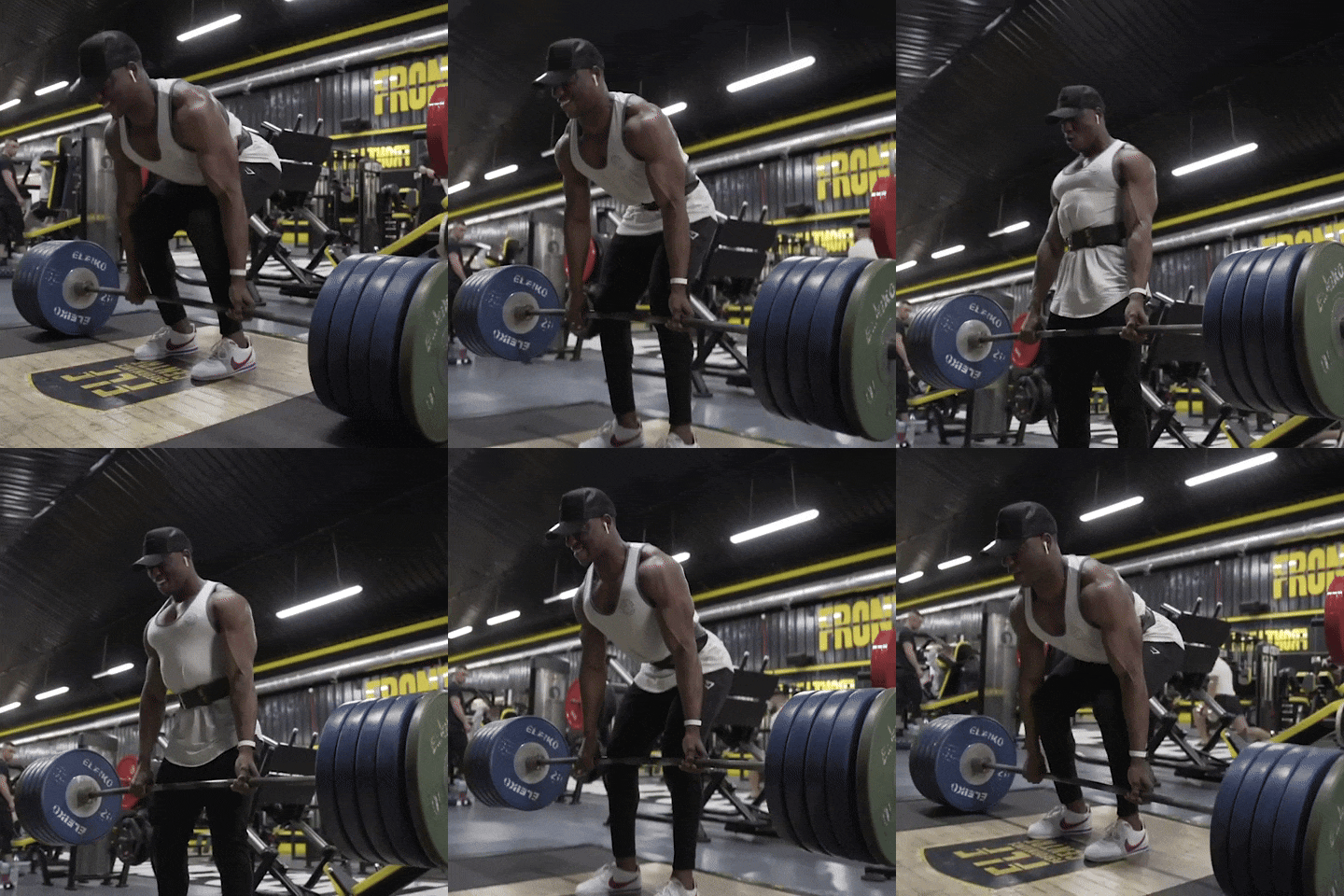

🏋️♂️ Part 1. Safe and Injury-Free Deadlift Technique
The deadlift is not merely a movement of carelessly lifting the barbell up. Believing it is simply a pulling motion is where the mistake begins. A proper deadlift is an exercise where a stationary barbell is efficiently driven upward through coordinated full-body tension.
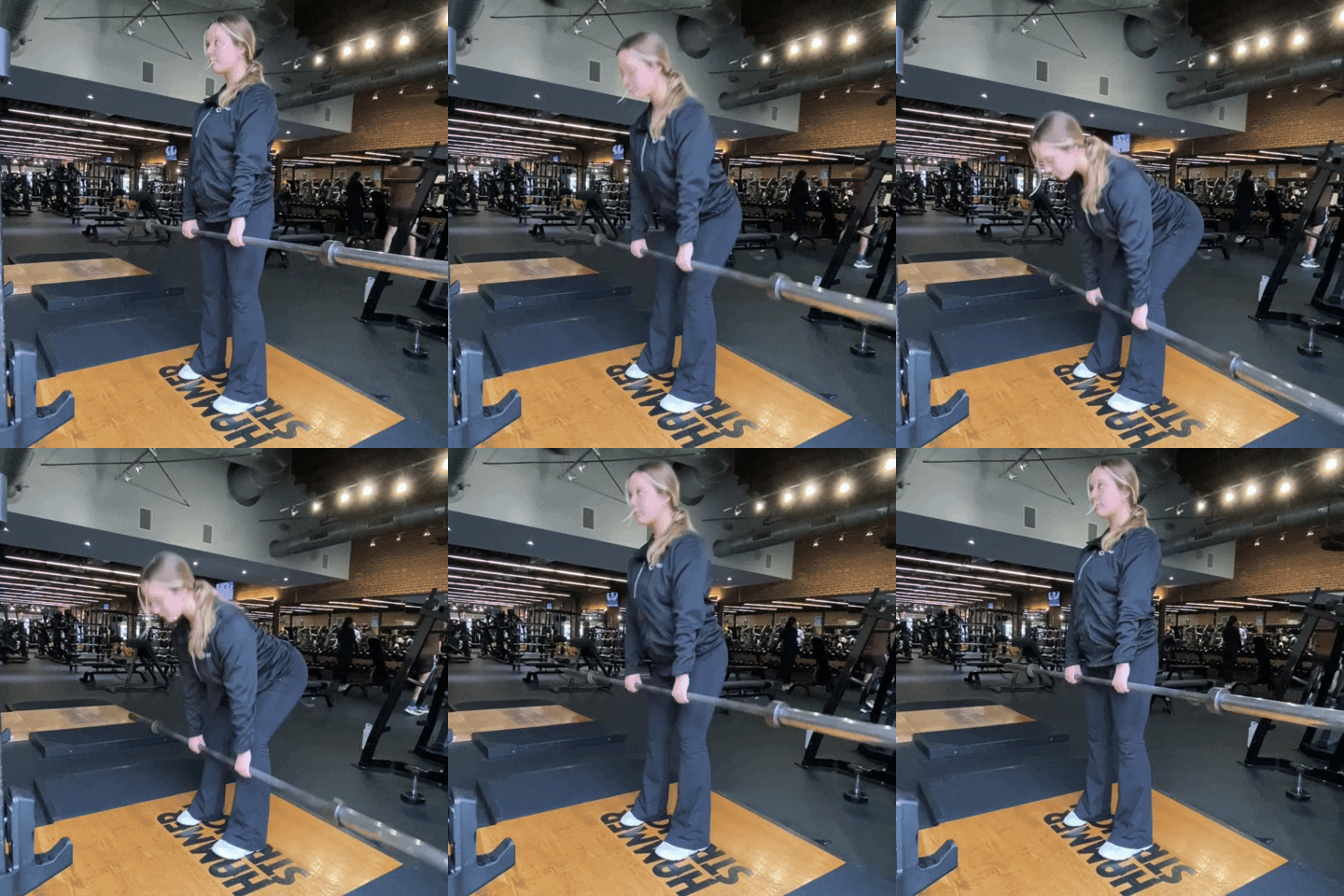
- Step 1. Setup: Stand straight in front of the barbell with feet hip-width apart.
- Step 2. Reach and Grip: Without excessively bending the knees, hinge at the hips and lean the torso forward to grip the bar.
- Step 3. Bracing: Once gripping the barbell, engage the entire body to create a rigid, rock-solid foundation. ✨
- Step 4. The Lift: Avoid pulling solely with arm strength; instead, drive through the feet, pushing the floor away to stand up. ✨
- Step 5. Lowering: Reverse the exact sequence of the lift, hinging at the hips first to lower the barbell back to the floor.
⭐️ Part 2. 5 Posture Points for an Injury-Free Deadlift

If the lower back rounds or loses tension while lifting the barbell, the probability of back pain increases significantly. Do not miss these 5 checkpoints designed to alleviate pain and protect the spine.
① Keep the Barbell Over Mid-Foot
- If the barbell drifts away from the body, the center of gravity shifts forward, placing immense stress on the lower back. During the initial setup, ensure the bar remains close, positioned directly over the mid-foot (where the shoelaces tie).
② Hinge Naturally at the Hips Instead of Squatting Down
- Avoid pushing the knees forward like a squat. Conversely, there is no need to excessively force the hips backward either. Keep the shins nearly vertical to the bar and naturally fold at the hips to load the weight onto the hamstrings and glutes properly.
③ Squeeze the Armpits Tight
- Grip the bar and imagine squeezing oranges under the armpits to pack the lats and tighten the upper back. If this tension breaks, the spine rounds into a “shrimp back” during the lift, risking severe disc injury.
④ Fill the Abdomen with Air to Maintain Intra-Abdominal Pressure
- Right before lifting, take a deep breath and expand the abdomen outward in all directions, locking it tight. The pressurized core acts as a protective airbag, supporting the spine against collapse.
⑤ Drive with Lower Body Power, Not Upper Body Strength
- Thinking of the movement as “pulling” the barbell with the hands and arms forces the lower back to take over. The upper body simply acts as a rigid hook; driving through the feet to push the floor away utilizes lower body power and keeps the lower back safe.
💡 Part 3. Practical Deadlift Tips for Safe Overload

Even with perfect form, mistakes during live sets can cause injury. These practical tips help keep the spine safe while maximizing workout efficiency.
- Do Not Hyperextend the Lower Back at the Top
: Over-angling the torso backward at lockout out of a desire to fully extend the body is highly dangerous. Once standing fully upright, simply squeezing the glutes is sufficient. Compressing the lumbar spine intentionally must be avoided. - Lower the Weight Immediately if the Back Rounds
: Dropping ego regarding weight is the ultimate tip for longevity. If the back rounds or core tension fails mid-set, it indicates the current load exceeds what the lower back can safely handle. Treat this as an injury warning sign and immediately drop the weight by one step.
🔥 Part 4. Track Weight and Workout Conditions Using BurnFit
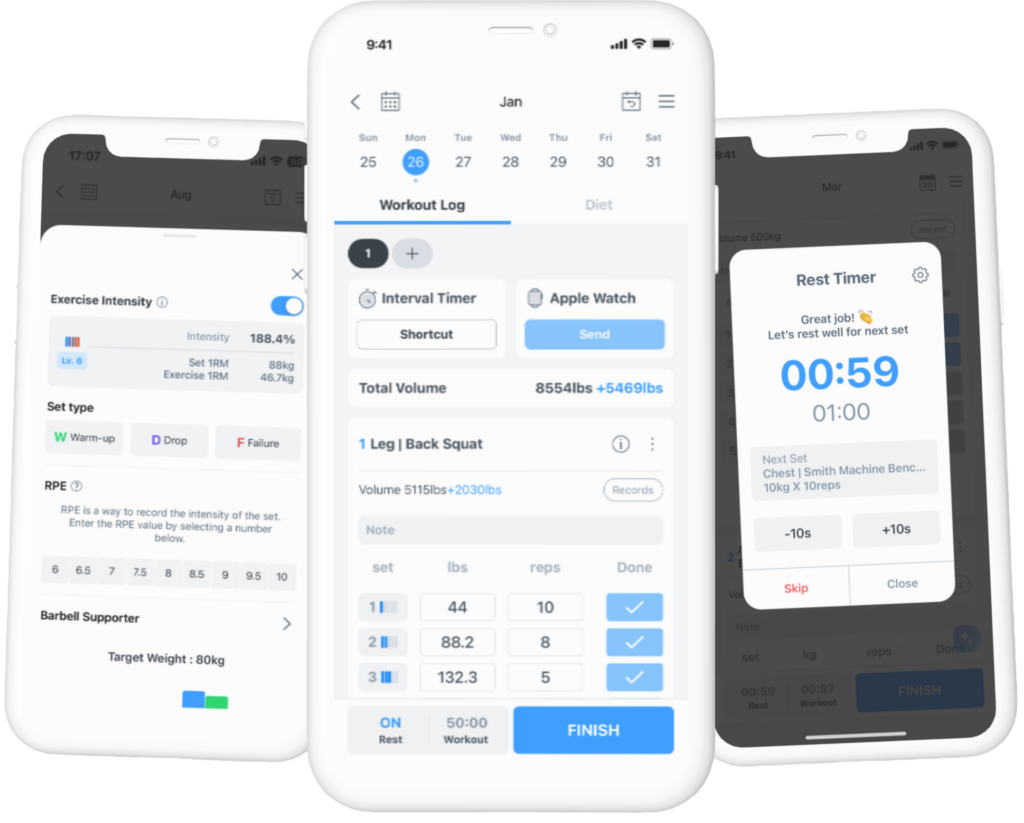
The primary cause of deadlift-related injuries is lifting heavy loads without accurately assessing one’s appropriate working weight. Utilizing the workout log app “BurnFit” allows lifters to safely track weights and physical conditions to prevent injuries.
- Log Daily Weight and Body Status via Notes
:It is highly recommended to record the successfully lifted deadlift weight and use the notes feature in BurnFit. Jotting down feedback like “Lost core tension on the 3rd set, causing slight lower back stiffness” or “Squeezing the armpits tightly eliminated all discomfort” provides invaluable data to prevent future injuries. - Check Safe Progressions via BurnFit PRO
:Increasing weight safely requires a systematic build-up to avoid lower back pain. Reviewing the workout volume graphs in “BurnFit PRO” offers a clear visual breakdown of whether workload progressions remain steady and safe without placing undue stress on the spine
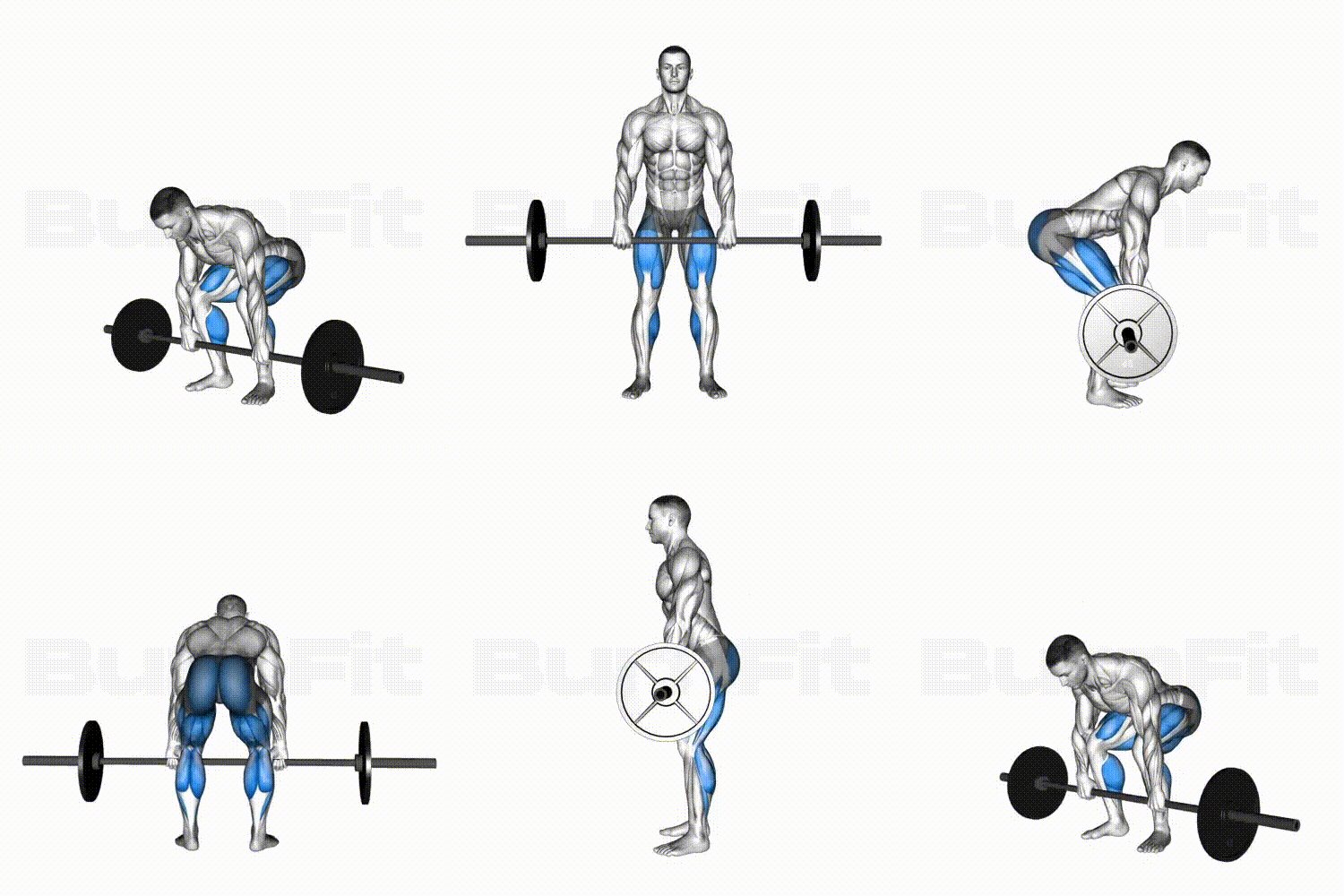
🔍 Conventional Deadlift


Seated Cable Row: 3 Tips for Better Form
Strength Training for Beginners: 5 Exercises, Benefits & Routine
Hevy vs BurnFit: Which Workout Tracking App Fits the Way You Train?
7 Key Lower Body Strength Exercises for Every Muscle Group
Glute Exercises: 3 Key Points for Building Toned Glutes
Thigh Muscle Exercises: 3 Key Points for Stronger Legs