The ultimate guide to targeting your quads without wrist pain.
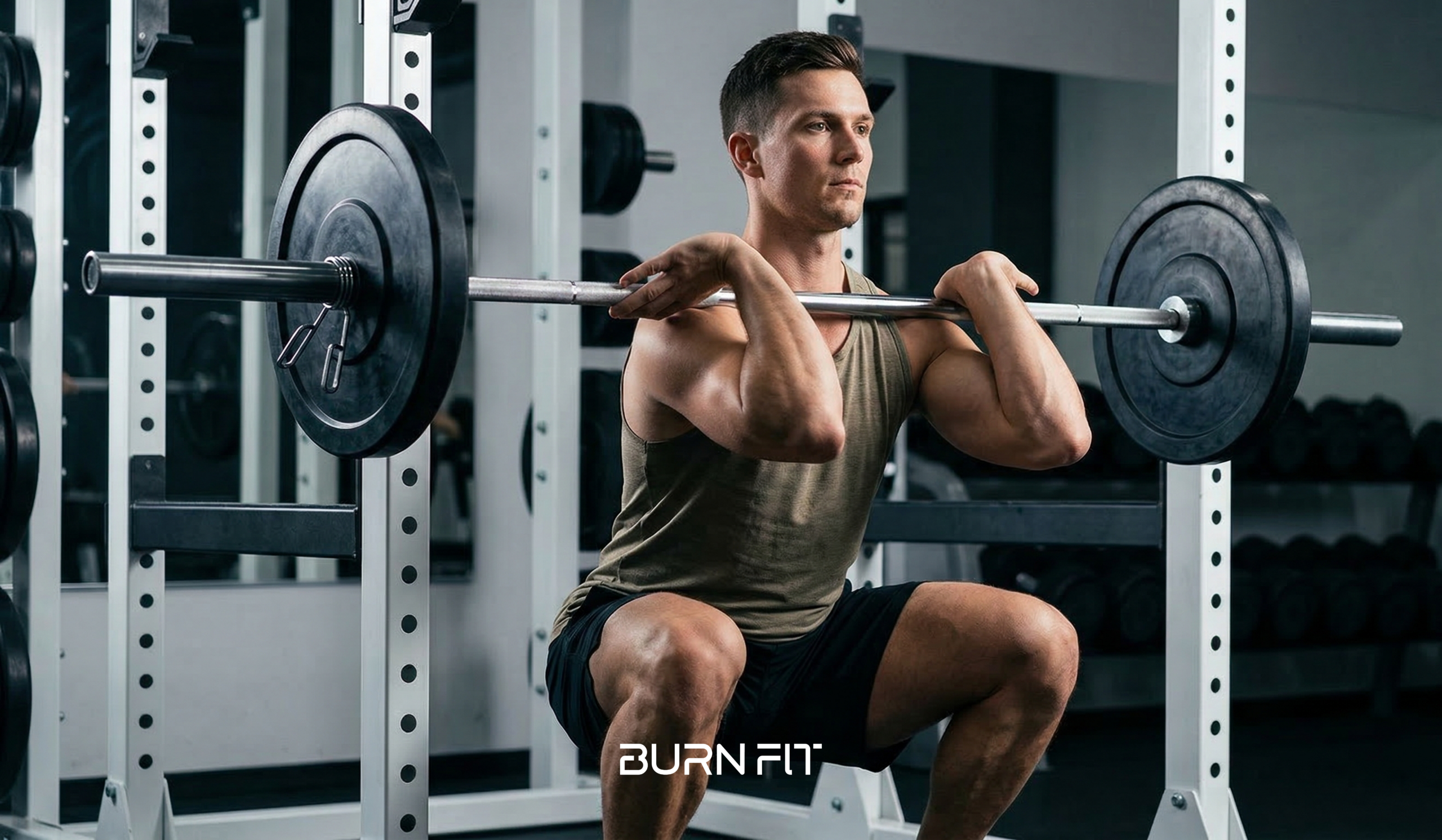
Is your ‘front squat’ form correct?
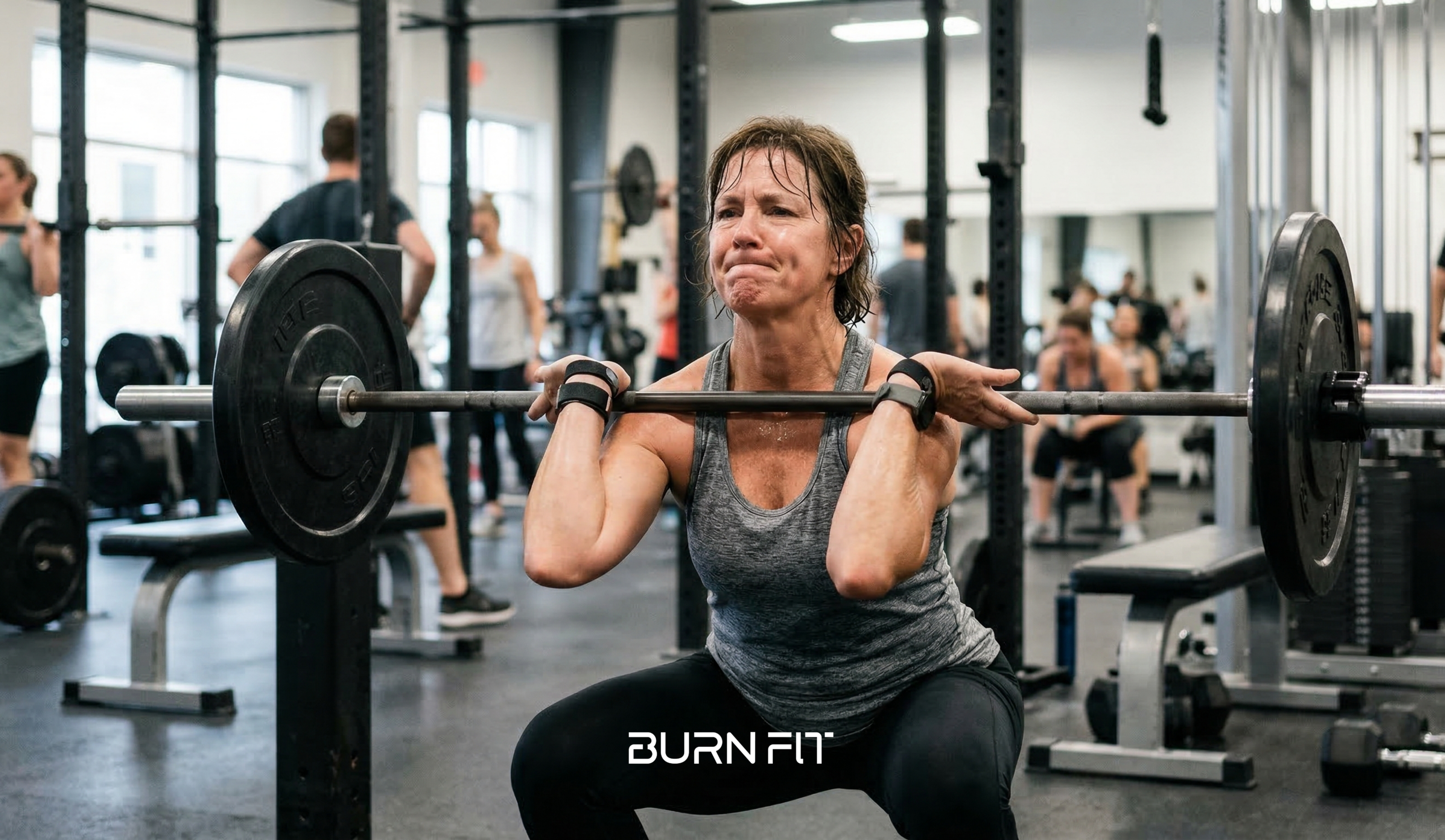
If, despite lifting less weight than a back squat, your wrists feel like they are breaking instead of your quads burning, or if you can barely breathe, you need to fix your form.
The front squat is one of the best lower body exercises for building the ‘teardrop quads’ that gym-goers crave. However, its barrier to entry is as high as its incredible benefits, making it an exercise that many beginners recklessly try only to give up.
Typical warning signs include:
Your wrists hurt before your quads (quadriceps) feel the burn.
The barbell crushes your collarbone, making it hard to breathe.
Your torso excessively leans forward when you squat down.
In most cases, these indicate improper front squat form.
In this article, we will cover:
Why front squats are great for your lower body
3 common mistakes many people make
A guide to the proper form to maximize quad targeting
Why Front Squats Are Great for Your Lower Body
Unlike back squats, front squats place the barbell on the front of your body.
This small difference creates a completely different stimulus.
1. Great for Targeting the Quads
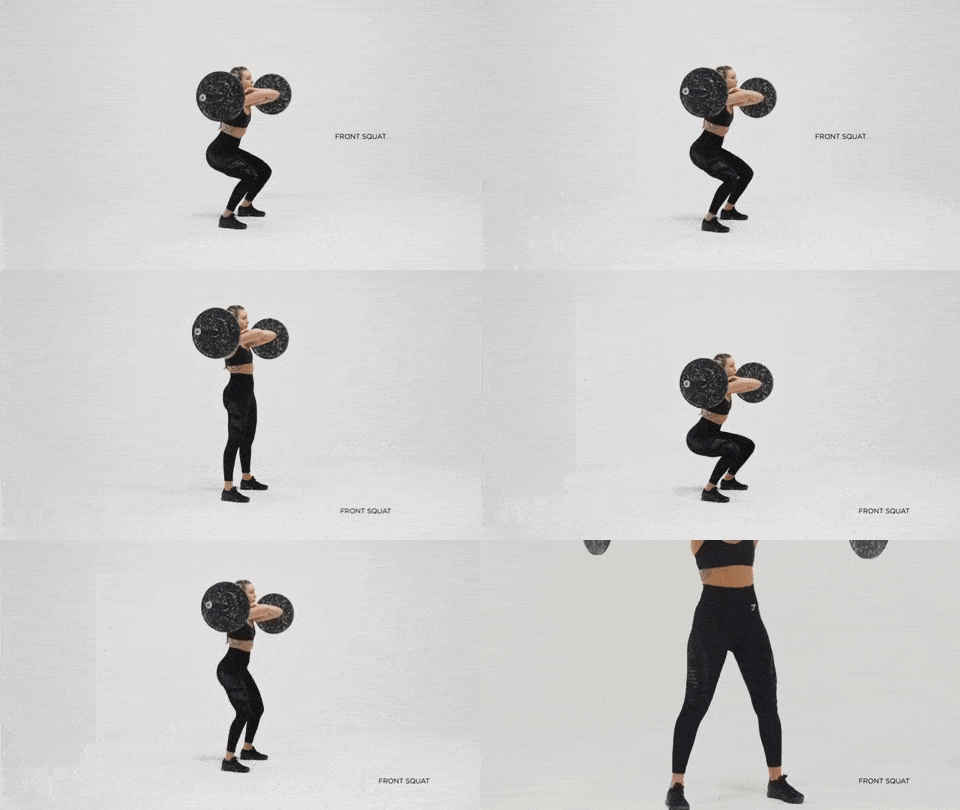
Because the barbell is positioned in front of your body, it delivers a much stronger and more direct load to the front of your thighs rather than your glutes or hamstrings.
If developing your quads is your goal, this is a must-do, not an option.
2. Intense Core Activation
You must stay upright to prevent your torso from falling forward.
In this process, intra-abdominal pressure and core muscles are heavily engaged, naturally helping you build a rock-solid core.
3. Minimal Lower Back Strain
Because you move vertically with a straight torso, it serves as an excellent and safe alternative for those who experience lower back pain during back squats.

3 Common Front Squat Mistakes
Front squats might look simple, but you will see many people making the exact same mistakes at the gym. Here are the top three.
- Dropping the Elbows
Many people let their elbows point towards the floor during front squats. If your elbows drop, your upper back rounds, and the barbell rolls forward. This is the most dangerous posture, severely increasing the strain on your lower back and making you lose your balance. - Gripping the Bar Too Hard with Your Wrists
In a front squat, you don’t “hold” the barbell with your hands; you “rest” it on your shoulders and collarbone. Trying to support the weight with your wrists will cause severe joint strain and pain. - Torso Leaning Forward
If you sit back by pushing your hips too far back like a back squat, your center of gravity shifts forward, and your heels lift off the ground. This shifts the weight onto your knee joints instead of your quads, significantly increasing the risk of injury.
How to Do Front Squats Properly
So, how should you do a front squat?
Following just a few basic principles will make the quad stimulation much clearer.
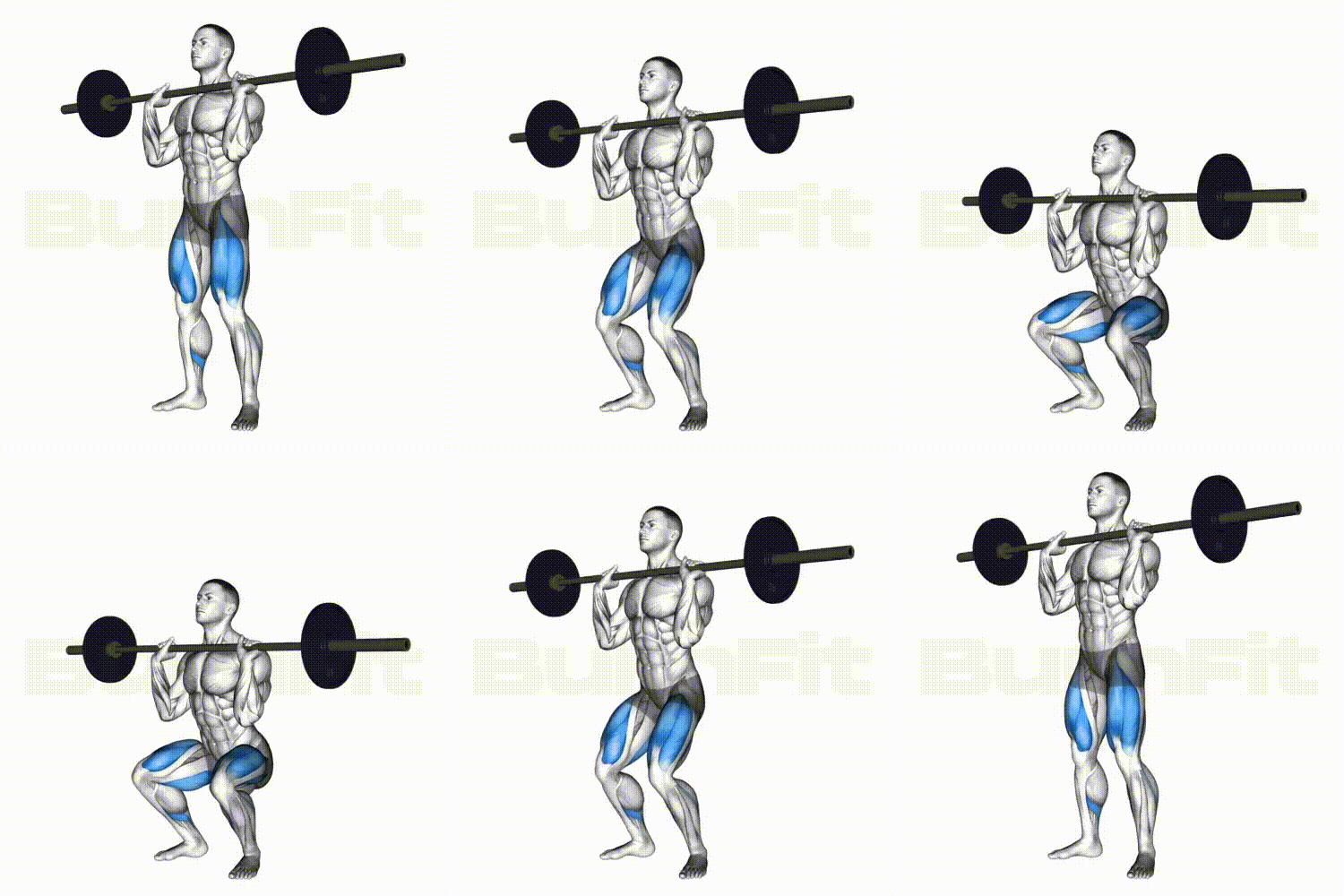
1. Racking is Everything: Rest it Lightly on Your Collarbone
Your fingers are just there to lightly support the barbell so it doesn’t roll away. The weight of the barbell should rest stably on your front delts and collarbone.
2. Keep Your Elbows Parallel to the Floor
Open your chest and lift your elbows high toward the ceiling. You must keep your elbows parallel to the floor to create a structure that keeps your torso upright.
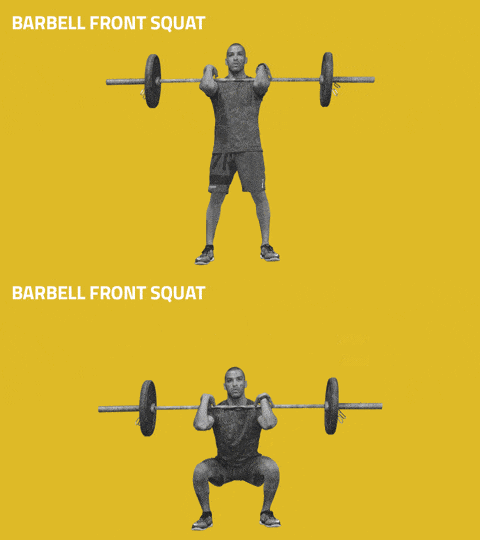
3. Descend Vertically with an Upright Torso
Rather than pushing your hips back (hip hinge), focus on going straight down like an elevator while keeping your spine perfectly straight.
Recommended Front Squat Tempo
- Down (Eccentric): 3 seconds (slowly resisting the weight)
- Pause: 1 second (at the lowest point)
- Up (Concentric): 2 seconds (pushing off the floor powerfully)
How to Front Squat: Check it out on BURN FIT 👇
Conclusion
The front squat is not an exercise for showing off heavy weights.
When you handle a weight you can control with proper form, you will finally feel an unprecedented, powerful burn in your quads.
If your wrists hurt or your form breaks down, do not hesitate to drop the weight back to the empty bar and check your form again.

