

1. Understand Your Body’s Survival Instinct: ‘Metabolic Adaptation’
When you lose about 16% of your body weight, your body declares a state of emergency.
This is called ‘Metabolic Adaptation’, a survival mechanism designed to minimize energy expenditure in response to reduced calories.
Because the body strives to maintain homeostasis, less energy coming in means it forcibly reduces the energy going out. A plateau is simply a pause for your body to recognize your new weight as ‘normal’. Instead of starving yourself further, you need to redesign the balance of your diet and activity to match your lowered metabolic rate.
2. “I barely eat!” Uncover the ‘Hidden Calories’
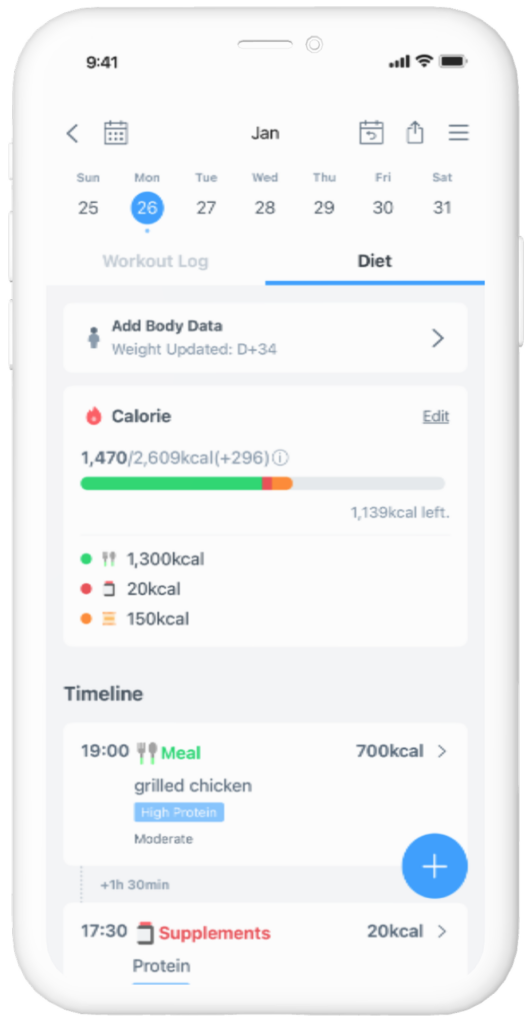
In a state of reduced metabolism, the small calories we consume unknowingly become the decisive cause of a diet plateau. According to experts, dieters tend to underestimate their actual intake by more than 30%. Milk in a latte you thought was syrup-free, salad dressings, and a few nuts mindlessly snacked on could be the culprits. We recommend recording everything you eat for just 3 days.
By using the diet feature in the BurnFit app, it automatically calculates your total calorie intake and exactly how many grams of macros (carbs, protein, fat) you’ve consumed,
making it much easier to clearly spot the ‘hidden gaps’ prolonging your plateau.
3. The Essential Fuel for Fat Burning: Increase ‘Hydration’
During a plateau, you actually need to drink more water. Water acts as an essential fuel in the ‘hydrolysis’ process, which breaks down body fat into energy. If you’re dehydrated, your fat-burning efficiency drops, and diet-induced stress worsens water retention. Moreover, your brain can mistake thirst for hunger, creating false cravings. Simply drinking over 1.5L of water a day can boost your metabolic expenditure.

4. Same Workout Every Day? Give Your ‘Routine’ a New Stimulus
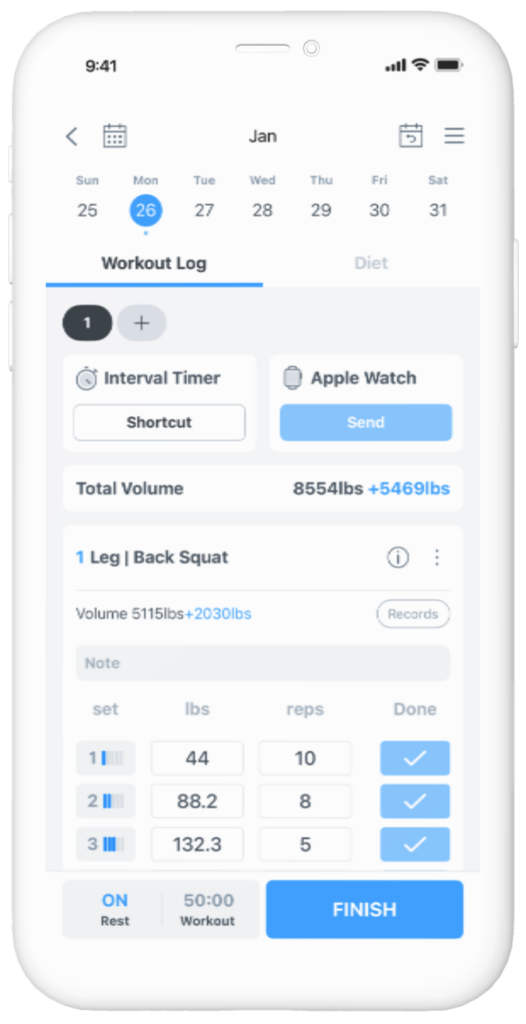
Our bodies are incredibly adaptable. If you run the same route and lift the same dumbbells every day, your body learns the ‘trick’ to performing those movements using minimal energy. Even if the workout duration is the same, calories burned will plummet. If you’ve stuck strictly to steady-state cardio, you need to add strength training to boost your basal metabolic rate. Also, instead of reducing reps, shock your muscles by increasing the weight (progressive overload) to explosively reactivate your stalled metabolism.


5. Ditch the Scale: Check ‘InBody’ and ‘Visual Progress’
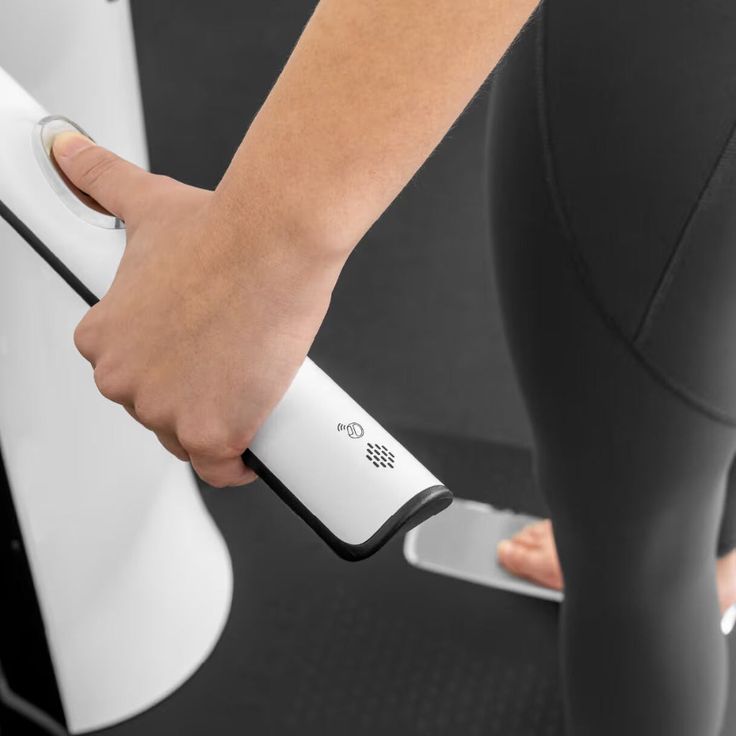
Obsessing over the number on the scale every morning hinders weight loss. Just because your weight hasn’t changed doesn’t mean you haven’t lost body fat. If you’ve been consistently strength training, an increase in muscle mass has likely offset the weight loss. Rather than stressing over meaningless numbers, check your body composition via InBody regularly.
Checking your silhouette in the mirror and how your pants fit are far more accurate and scientific indicators.

6. ‘When You Eat’: Speed Up Weight Loss by Adjusting Meal Times
Even if you consume the same amount of calories, your body’s reaction varies depending on the time of the meal. This is due to our circadian rhythm and ‘insulin sensitivity’. During the active day, we burn energy aggressively, but at night, the tendency to store nutrients as fat strengthens. Finish dinner 3-4 hours before bedtime and maintain at least a 12-14 hour fast to give your stomach a rest. This simple timing adjustment is the key to turning your stalled metabolism back on.

7. Sleep to Lose: Control Stress and ‘Cortisol’
Feeling pressured about not losing weight or forcing yourself to exercise while sacrificing sleep puts your body under severe stress. The stress hormone ‘Cortisol’ released during this time strongly tends to raise blood sugar and store excess energy as belly fat.
Furthermore, sleep deprivation reduces appetite-suppressing hormones, triggering fake hunger. During a plateau, getting 7-8 hours of deep sleep and sufficient rest is paradoxically the best fat-burning strategy.

8. Set ‘New Goals’ Beyond the Scale
Motivation easily drops during a diet plateau when weight doesn’t decrease. The best way to protect your mental health is to create a sense of accomplishment you can control. Instead of a goal like “lose X kg,” set specific behavioral goals like “work out 4 times this week” or “increase deadlift weight by 5kg.” As you accumulate growing workout logs alongside your diet in the BurnFit app, you’ll gain the confidence that you are undeniably progressing, even if the scale doesn’t immediately reflect it. When your mind finds peace, the stalled weight will finally start to drop again.